- Whatsapp: 8613738300923
- Email: [email protected]


If you’re sourcing China sanitary pipe fitting products for food, beverage, pharmaceutical, or cosmetic processing systems, you already know the stakes: one contamination incident from substandard fittings can halt production, trigger regulatory action, and destroy brand trust. Yet navigating China’s vast manufacturing landscape to find a supplier that consistently delivers sanitary pipe fittings with the right certifications, surface finish, and dimensional accuracy remains a challenge even for experienced procurement teams.
This guide gives you a structured framework for evaluating China sanitary pipe fittings suppliers, understanding technical standards, comparing material grades, and implementing quality control protocols — so you can source with confidence, not guesswork.
Sanitary pipe fittings are specialized connectors engineered for hygienic fluid transfer systems where contamination is unacceptable. Unlike industrial pipe fittings, sanitary-grade components feature smooth internal surfaces (typically Ra ≤ 0.8 µm), crevice-free designs, and materials that withstand aggressive CIP (Clean-in-Place) and SIP (Sterilize-in-Place) cycles.
In food processing, a single poorly polished elbow can harbor bacteria that survive sanitation cycles. In biopharma, a fitting with dead legs can compromise an entire batch worth millions. The right sanitary pipe fitting isn’t a commodity purchase — it’s a risk management decision.
Understanding the full range of sanitary pipe fitting types available from Chinese manufacturers helps you specify exactly what your system requires — and evaluate whether a supplier has genuine production capability across your needed categories.
| Fitting Type | Function | Common Sizes | Key Applications |
|---|---|---|---|
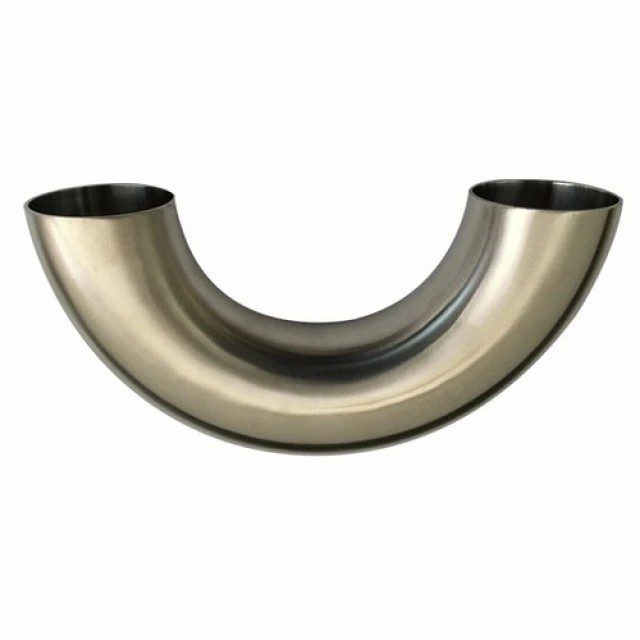
| Sanitary Elbow (45° / 90°) | Change flow direction with minimal pressure drop | 1/2″ – 6″ (DN15–DN150) | Dairy lines, brewery transfers, pharma process piping |
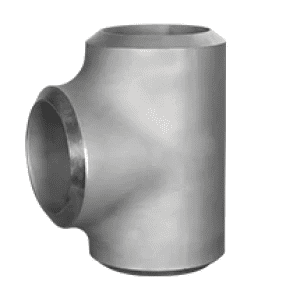
| Sanitary Tee | Split or combine flow streams | 1/2″ – 6″ (DN15–DN150) | CIP supply/return headers, product routing |
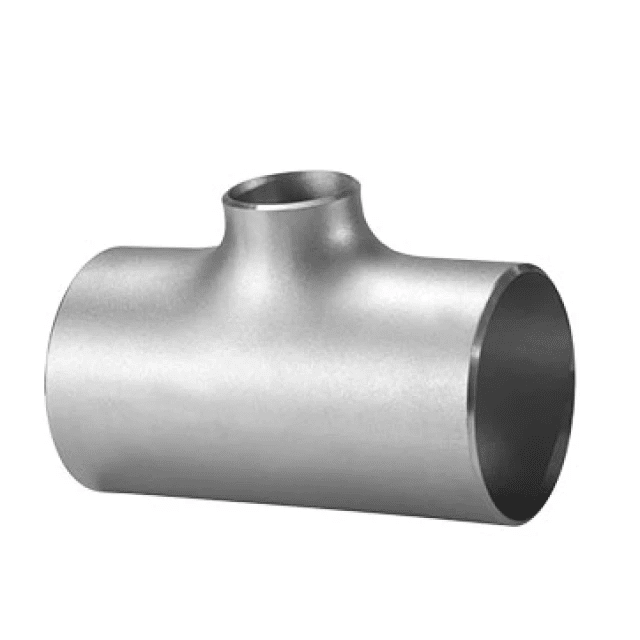
| Sanitary Reducer (Concentric / Eccentric) | Connect pipes of different diameters | 1″×1/2″ – 6″×4″ | Tank outlets, pump suction/discharge transitions |
| Sanitary Ferrule | Provide connection point for tri-clamp assembly | 1/2″ – 8″ (DN15–DN200) | All hygienic clamp connections |
| Tri-Clamp Gasket | Seal between two ferrules in clamp assembly | 1/2″ – 8″ | EPDM, PTFE, silicone, FKM per application |
| Sanitary Sight Glass | Visual inspection of product flow | 1″ – 4″ | Process monitoring, quality check points |
| Sanitary Check Valve | Prevent reverse flow in hygienic lines | 1″ – 4″ | Pump discharge protection, backflow prevention |
| Sanitary Butterfly Valve | Flow shut-off or throttling with hygienic design | 1″ – 12″ | Tank isolation, line shutoff, CIP diversion |
One of the most common mistakes when sourcing China sanitary pipe fittings is assuming all suppliers follow the same standards. Different regions and industries mandate different specifications. A fitting that meets DIN 11850 for a German brewery may not satisfy 3A requirements for a US dairy plant. Understanding these standards upfront prevents costly mismatches.
| Standard | Region | Key Industries | OD Tolerance | Surface Requirement |
|---|---|---|---|---|
| 3A Sanitary Standards | USA | Dairy, food & beverage | Tube OD based (1″, 1.5″, 2″, etc.) | Ra ≤ 0.8 µm (32 μin) internal |
| ASME BPE | USA / Global | Biopharma, biotech | Tube OD based; tighter than 3A | Ra ≤ 0.5 µm (20 μin) electropolished |
| DIN 11850 | Europe (Germany) | Food, beverage, brewing | Metric OD (Series 1 & 2) | Ra ≤ 0.8 µm typical |
| SMS (Swedish) | Scandinavia / Europe | Dairy, brewing | Metric OD (unique sizes) | Ra ≤ 0.8 µm typical |
| ISO 2037 / ISO 1127 | International | General food & chemical | Metric OD (ISO pipe series) | Per agreement |
| BS 4825 | UK / Commonwealth | Food, dairy, pharmaceutical | Imperial OD | Ra ≤ 0.8 µm typical |
💡 Pro Tip: When requesting quotes from a China sanitary pipe fittings supplier, always specify the exact standard you need — including whether you require 3A certification documentation, ASME BPE material traceability, or DIN 11850 dimensional compliance. Never assume “sanitary” means the same thing to every factory.
The material you choose for your sanitary pipe fitting directly affects corrosion resistance, cleanability, service life, and regulatory compliance. While 304 and 316L stainless steel dominate the market, the choice between them should be driven by your specific process chemistry — not price alone.
| Property | 304 (1.4301) Stainless Steel | 316L (1.4404) Stainless Steel |
|---|---|---|
| Chemical Composition | 18-20% Cr, 8-10.5% Ni | 16-18% Cr, 10-14% Ni, 2-3% Mo |
| Corrosion Resistance | Good — suitable for most food products | Excellent — resists chloride pitting and acidic media |
| Carbon Content | ≤ 0.08% | ≤ 0.03% (low carbon — better weldability) |
| Cost Ratio | Baseline | ~30-40% higher than 304 |
| Best Applications | Dairy, beer, wine, juices, water, general food processing | Pharmaceutical, biotech, high-acid products, marine environments, WFI systems |
| Regulatory Fit | FDA, 3A, EU 1935/2004 | FDA, 3A, ASME BPE, USP Class VI |
For most B2B buyers, the decision comes down to a simple question: does your process involve chlorides, acids, or sterile environments? If yes, invest in 316L. If you’re handling standard food products with neutral pH and non-corrosive cleaning agents, 304 stainless steel sanitary fittings deliver reliable performance at a lower cost.
The connection method you choose affects installation speed, maintenance frequency, cleanability, and long-term system integrity. Here’s how the major types compare when sourcing from a China sanitary pipe fittings manufacturer:
| Connection Type | How It Works | Pros | Cons |
|---|---|---|---|
| Tri-Clamp (Tri-Clover) | Two ferrules + gasket secured by external clamp ring | Tool-free disassembly; fast cleaning; most common globally | Lower pressure rating than welded; gasket replacement cost |
| Butt Weld (Orbital Weld) | Pipe ends welded together for permanent connection | Leak-proof; no gaskets; ideal for high-purity and high-pressure | Permanent — cannot disassemble; requires skilled orbital welding |
| SMS / DIN Union | Threaded nut + liner + O-ring seal | Strong seal; widely used in European breweries and dairies | More parts; slower assembly/disassembly than tri-clamp |
| RJT (Ring Joint Type) | Heavy-duty union with metal-to-metal seal + gasket | Very robust; common in UK/Ireland dairy | Heavier; less common outside Commonwealth markets |
| Threaded (NPT / BSP) | Tapered or parallel threads | Simple; no special tools needed | Threads trap product — not truly sanitary; avoid in hygienic zones |
💡 Key Takeaway: Tri-clamp connections dominate the global sanitary market for good reason — they balance cleanability, speed, and cost. Butt weld connections are the standard for pharmaceutical WFI (Water for Injection) and high-purity systems where zero dead legs are non-negotiable.
Not all sanitary pipe fittings manufacturers China operate to the same standards. Some are genuine factories with in-house polishing, pickling, and testing capabilities. Others are trading companies that resell fittings from third-party workshops with inconsistent quality. Here’s how to tell the difference.
Request the supplier’s business license and check the “business scope” (经营范围). A genuine manufacturer will list “生产” (production/manufacturing) and “制造” (fabrication) — not just “贸易” (trading) or “销售” (sales). Cross-reference the registered address with satellite imagery to confirm it’s an industrial facility, not an office in a commercial tower.
Surface roughness (Ra) is the defining characteristic of a sanitary pipe fitting. Ask the supplier:
Every heat of stainless steel should come with a Mill Test Report (MTR) that traces back to the original steel mill. Demand MTRs for your specific order — not generic certificates. For critical applications, insist on third-party PMI (Positive Material Identification) testing to verify the actual alloy composition matches the paperwork.
Ask for current, valid copies of:
Verify certificate numbers directly with the issuing body — counterfeit certifications are not uncommon.
During a factory audit (in-person or live video), confirm the presence of:
A competent China sanitary fittings factory should provide:
Before committing to a production run, place a small trial order (50-200 pieces) and have it independently inspected by a third-party service such as SGS, Bureau Veritas, or TÜV. Inspect:
Sanitary pipe fittings serve as the backbone of hygienic processing across a wide spectrum of industries. Understanding these applications helps you specify the right fitting for the right environment — and communicate your requirements clearly to your China sanitary pipe fittings supplier.
| Industry | Typical Products Handled | Recommended Material | Key Standard |
|---|---|---|---|
| Dairy Processing | Milk, cream, whey, yogurt, cheese | 304 / 316L | 3A, ISO 2037 |
| Brewery & Beverage | Beer, wine, spirits, soft drinks, juices | 304 / 316L | DIN 11850, SMS |
| Pharmaceutical | API solutions, WFI, purified water, vaccines | 316L (electropolished) | ASME BPE, USP |
| Cosmetics & Personal Care | Lotions, creams, serums, shampoos | 316L | ISO 2037, 3A |
| Biotechnology | Cell culture media, buffers, bioreactor feeds | 316L (electropolished) | ASME BPE |
| Food Processing | Sauces, syrups, oils, liquid ingredients | 304 / 316L | 3A, FDA 21 CFR |
Even when sourcing from a reputable China sanitary pipe fittings manufacturer, proactive quality control is non-negotiable. Here are the most common quality defects — and how to prevent them before your fittings leave the factory.
| Defect | Root Cause | Prevention Strategy |
|---|---|---|
| Surface roughness out of spec | Insufficient polishing; skipped electropolish step | Require profilometer reports per batch; specify Ra target in PO |
| Dimensional deviation | Worn tooling; lack of in-process measurement | Request first-article inspection report; specify tolerance in drawings |
| Material substitution | Cost cutting; 304 sold as 316L | Mandate third-party PMI testing on random samples from each lot |
| Weld defects (porosity, cracks) | Improper weld parameters; no post-weld inspection | Require dye penetrant test or borescope inspection on weld areas |
| Contamination / rust spots | Iron contamination during fabrication; improper passivation | Specify ASTM A967 passivation; request passivation test reports |
| Gasket incompatibility | Wrong elastomer for process temperature/chemistry | Specify gasket material explicitly (EPDM, PTFE, FKM, silicone) |
Pricing for China sanitary pipe fittings varies significantly based on material grade, size, surface finish, certification requirements, and order volume. While exact prices fluctuate with raw material markets (304 stainless steel can swing ±15-20% annually), the following framework helps you budget effectively.
| Cost Factor | Impact on Price | Notes |
|---|---|---|
| Material grade | 316L: +30-40% vs 304 | Molybdenum content drives the premium |
| Surface finish | Electropolish: +15-25% vs mechanical polish | Required for pharma/biotech; adds processing step |
| Size (diameter) | 4″ fitting: 3-5x cost of 1″ equivalent | Material volume scales non-linearly with diameter |
| Order quantity (MOQ) | 500 pcs: baseline; 5000+ pcs: -15-25% | Setup costs amortized over larger runs |
| Certification requirements | 3A/ASME BPE: +5-10% premium | Additional documentation and process controls |
| Third-party inspection | $500-1,500 per inspection day | SGS, BV, TÜV — budget for at least one pre-shipment inspection |
💡 Budgeting Rule of Thumb: For a mixed container of standard 304 stainless steel sanitary fittings (tri-clamp elbows, tees, reducers, ferrules in 1″-3″ sizes), expect FOB pricing in the range of $2-15 per piece depending on size and complexity. 316L electropolished ASME BPE fittings will command a 50-70% premium over this baseline.
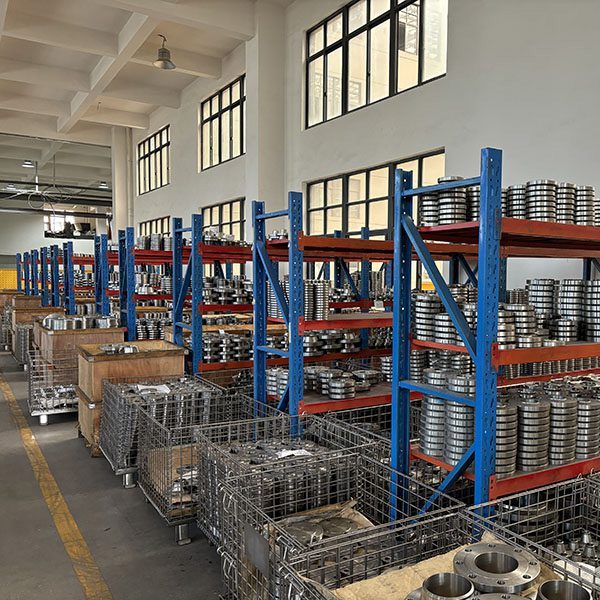
With over 15 years of manufacturing experience and a Pressure Piping Components License issued by the People’s Republic of China, Gencel Stainless Steel is positioned as a trusted China sanitary pipe fittings manufacturer for B2B buyers worldwide.
| ✅ | Certified Manufacturer: ISO 9001:2015 certified with full material traceability from mill to finished product |
| ✅ | Comprehensive Product Range: Sanitary pipe fittings, butt welded fittings, ball valves, flanges, stainless steel pipes, and more — single-source procurement |
| ✅ | Global Export Experience: Products sold across Europe, North & South America, Russia, Middle East, Southeast Asia, and Australia |
| ✅ | Industry Coverage: Petroleum, chemical, smelting, water conservancy, electric power, medical machinery, food & beverage |
| ✅ | In-House Quality Control: Complete testing and inspection capabilities including PMI, hydrostatic testing, and surface finish measurement |
Sanitary pipe fittings are designed specifically for hygienic applications requiring cleanability, smooth internal surfaces (Ra ≤ 0.8 µm), and crevice-free construction. Industrial pipe fittings prioritize mechanical strength and pressure rating over surface finish and cleanability. Sanitary fittings support CIP/SIP processes; industrial fittings generally do not.
Check the business license for “生产” (manufacturing) in the business scope, conduct a live video factory tour showing production lines and in-house testing equipment, and request to see raw material inventory and in-process production. A trading company cannot show you their own polishing line or CNC machining floor.
For standard food and dairy applications, Ra ≤ 0.8 µm (32 μin) via mechanical polishing is typically sufficient. For pharmaceutical, biotech, and WFI systems, Ra ≤ 0.5 µm (20 μin) via electropolishing is the ASME BPE standard. Always specify the Ra requirement in your purchase order.
Yes — qualified Chinese manufacturers can produce fittings compliant with 3A Sanitary Standards and ASME BPE. However, not all suppliers have this capability. Verify certification documents directly with the issuing body, and specify the required standard explicitly in your RFQ. Look for suppliers with proven export history to regulated markets (US FDA-registered facilities, EU PED compliance).
MOQs vary by product type and size. For standard tri-clamp fittings (1″-3″), expect MOQs of 100-500 pieces per size/type. For larger diameters (4″+) or custom specifications, MOQs may be 50-200 pieces. Many manufacturers offer flexible MOQs for trial orders and new customer relationships.
Production lead time: 15-30 days for standard items, 30-60 days for custom or large-volume orders. Sea freight: 20-35 days to US West Coast, 25-40 days to Europe, 15-25 days to Southeast Asia. Air freight: 3-7 days globally for urgent orders (at 5-8x sea freight cost).
A complete documentation package should include: commercial invoice, packing list, bill of lading, mill test reports (MTR) with heat numbers, material certificates (EN 10204 3.1 or 3.2), dimensional inspection reports, surface finish test reports, pressure test certificates (if applicable), and certificate of origin (Form E / Form A for preferential tariffs).
Not always. While dimensions may be identical, 316L provides superior corrosion resistance due to its molybdenum content. If your process involves chlorides (salt, certain CIP chemicals), acidic products, or requires ASME BPE compliance, 316L is mandatory. Using 304 in a 316L-required application can lead to pitting corrosion and contamination risk.
These standards define different outer diameters (OD) and dimensional specifications for sanitary tubing and fittings. DIN 11850 (German) uses metric OD in two series; SMS (Swedish) uses its own metric OD system; 3A (American) uses inch-based OD. A 2″ 3A fitting will NOT connect to a DN50 DIN fitting — the ODs differ. Always match your entire system to one standard.
Strategies include: consolidating multiple product types with one supplier for volume discounts; optimizing container utilization (mix heavy/light items); using Free Trade Agreement certificates (Form E for ASEAN, Form A for EU GSP) to reduce duties; ordering 3-6 months of inventory per shipment to amortize freight costs; and working with a supplier that offers FOB or CIF terms with transparent freight forwarding.
Partner with Gencel Stainless Steel — a certified manufacturer with 15+ years of experience, global export coverage, and a complete range of sanitary pipe fittings manufactured to 3A, ASME BPE, DIN, SMS, and ISO standards. Get a quote within 24 hours.
Continue building your sourcing expertise with these resources from our knowledge base:
📞 Have a specific requirement? Contact our engineering team at gkfitting.com/contact for technical specifications, custom fabrication inquiries, or to schedule a factory audit. We respond to all B2B inquiries within one business day.
Disclaimer: This guide is for informational purposes only. Always consult with a qualified engineer for specific system design and material selection decisions. Product specifications and pricing are subject to change.

STAINLESS STEEL&GENCEL;
Privacy Policy | SiteMap
Copyright GENCEL STAINLESS STEEL CO.,LIMITED
 Optimized by Seraphinite Accelerator