- Whatsapp: 8613738300923
- Email: [email protected]


In every industrial piping system, the ability to change the direction of fluid flow safely and efficiently is essential. Whether transporting water, steam, chemicals, gases, or food-grade liquids, pipelines require fittings that provide reliable performance without compromising flow or structural integrity. Among the various pipe fittings available, SS 304 elbows are one of the most widely used because they combine excellent corrosion resistance, mechanical strength, and cost-effectiveness.
Manufactured from 304 stainless steel, these elbows are suitable for a broad range of industrial environments where moderate corrosion resistance and long service life are required. Their versatility has made them a standard component in industries ranging from food processing to water treatment and general manufacturing.
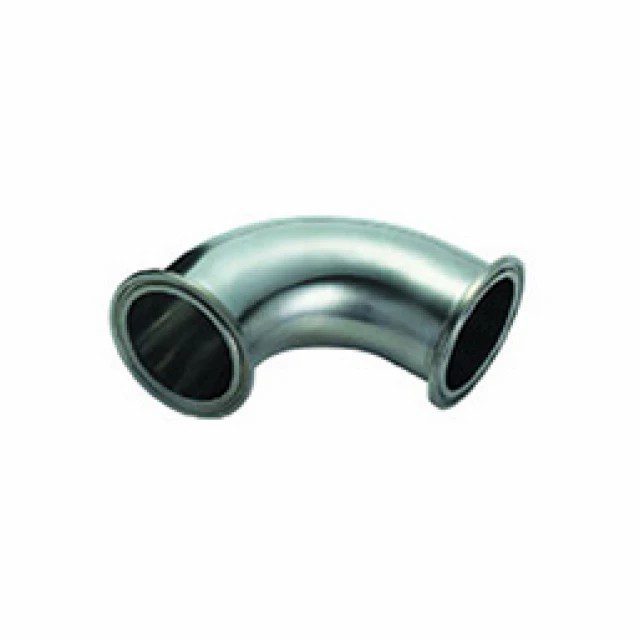
An SS 304 elbow is a stainless steel pipe fitting designed to change the direction of flow within a piping system. It is commonly available in 45°, 90°, and 180° configurations, allowing engineers to design pipelines that fit different layouts and operational requirements.
Made from 304 stainless steel, these elbows offer excellent resistance to rust, oxidation, and many commonly encountered chemicals. Their smooth internal surface minimizes turbulence and pressure loss, helping improve overall flow efficiency while reducing wear on the piping system. Depending on the application, SS 304 elbows can be manufactured as butt weld, socket weld, or threaded fittings.
One of the biggest advantages of SS 304 elbows is their ability to provide dependable performance in a wide variety of operating conditions. Compared with carbon steel fittings, they are much more resistant to corrosion and require less maintenance over their service life. Although SS 316 elbows provide superior resistance in highly corrosive environments, SS 304 offers an ideal balance between performance and cost for most general industrial applications.
Their excellent weldability also makes installation easier, while their durability allows them to withstand continuous operation under varying temperatures and pressures. For many industries, this combination of reliability and affordability makes SS 304 elbows the preferred piping solution.
The food and beverage industry demands piping systems that are hygienic, easy to clean, and resistant to contamination. SS 304 elbows are widely used because their smooth surface prevents the accumulation of residue and supports effective cleaning procedures. They are commonly installed in dairy plants, beverage production lines, breweries, and food processing facilities where maintaining product quality is essential.
For applications involving standard food products and clean water, SS 304 provides excellent performance while helping manufacturers meet hygiene requirements and reduce maintenance costs.
Water treatment facilities rely on durable piping systems that can operate continuously under changing environmental conditions. SS 304 elbows are frequently used in filtration systems, clean water pipelines, pump stations, and water distribution networks because they resist corrosion caused by moisture and many treatment chemicals.
Their long service life and low maintenance requirements make them an economical choice for municipal water projects as well as industrial water treatment systems where reliability is a key consideration.
In chemical processing plants, SS 304 elbows are commonly used for handling mild chemicals, solvents, and utility fluids. Their corrosion resistance helps maintain pipeline integrity while reducing the likelihood of contamination and leakage. However, when systems transport highly corrosive chemicals or chloride-rich solutions, engineers may choose SS 316 elbows for enhanced protection.
Pharmaceutical manufacturing also benefits from the clean surface finish of SS 304 elbows. They are often used in purified water systems, process equipment, and utility pipelines where cleanliness and product consistency are important.
Beyond specialized industries, SS 304 elbows are widely used in HVAC systems, power plants, and manufacturing facilities. In heating and cooling systems, they help direct the flow of hot water, chilled water, steam, and condensate while maintaining system efficiency. Their ability to withstand temperature fluctuations makes them suitable for long-term operation in demanding environments.
General manufacturing facilities also use SS 304 elbows in compressed air systems, cooling circuits, machinery connections, and process pipelines. Their versatility allows engineers to standardize piping components across multiple applications, simplifying both installation and maintenance.
Selecting the appropriate SS 304 elbow depends on the operating conditions of the piping system rather than simply choosing the lowest-cost option. Engineers should consider factors such as pipe size, operating pressure, temperature, connection type, and the characteristics of the fluid being transported. The required bending angle and radius should also match the pipeline layout to maintain efficient flow.
Equally important is selecting products that comply with recognized standards such as ASTM and ASME. High-quality manufacturing and accurate dimensions help ensure proper installation and reliable long-term performance.
SS 304 elbows have become one of the most widely used fittings in industrial piping systems because they offer an excellent combination of corrosion resistance, strength, durability, and affordability. Their ability to provide smooth directional changes while maintaining efficient fluid flow makes them suitable for applications in food processing, water treatment, pharmaceuticals, HVAC, power generation, and many other industries.
By understanding where SS 304 elbows are most commonly used and selecting the appropriate specifications for each application, businesses can build piping systems that deliver reliable performance, lower maintenance costs, and a longer service life. As industries continue to demand efficient and dependable piping solutions, SS 304 elbows will remain an essential component in modern industrial infrastructure.
Q1. What are SS 304 elbows mainly used for?
SS 304 elbows are used to change the direction of fluid flow in piping systems. They are commonly found in industries such as food and beverage processing, water treatment, pharmaceuticals, HVAC, power generation, and general manufacturing.
Q2. Why are SS 304 elbows suitable for industrial piping systems?
SS 304 elbows offer excellent corrosion resistance, good mechanical strength, easy fabrication, and long service life. They also provide a cost-effective solution for applications that do not require the enhanced corrosion resistance of SS 316.
Q3. Can SS 304 elbows be used in food-grade applications?
Yes. Their smooth surface, corrosion resistance, and hygienic properties make SS 304 elbows suitable for many food and beverage processing systems, especially those handling non-corrosive products.
Q4. How do SS 304 elbows differ from SS 316 elbows?
The primary difference is corrosion resistance. SS 316 contains molybdenum, giving it better resistance to chlorides and aggressive chemicals. SS 304 is more economical and is widely used in general industrial applications with less demanding corrosion requirements.
Q5. What factors should be considered when selecting an SS 304 elbow?
Key considerations include the pipe size, pressure and temperature requirements, connection method, bending angle, operating environment, and compliance with relevant industry standards. Choosing the correct elbow helps ensure safe operation and long-term pipeline reliability.


STAINLESS STEEL&GENCEL;
Privacy Policy | SiteMap
Copyright GENCEL STAINLESS STEEL CO.,LIMITED
 Optimized by Seraphinite Accelerator