- Whatsapp: 8613738300923
- Email: [email protected]


Choosing the right Welded Pipe Fittings Manufacturer is an important decision for industries that rely on safe and efficient piping systems. Welded pipe fittings are widely used in oil and gas, chemical processing, water treatment, power generation, food processing, and other industrial applications. The quality of these fittings directly affects pipeline safety, operating efficiency, and long-term maintenance costs.
A reliable manufacturer should not only provide high-quality welded pipe fittings but also offer professional technical support, stable production capacity, strict quality control, and customized solutions. However, with many suppliers available in the market, it can be difficult to identify the right partner.
Before choosing a manufacturer, it is important to understand your project requirements. Different industries and applications require different types of welded pipe fittings, materials, and performance specifications.
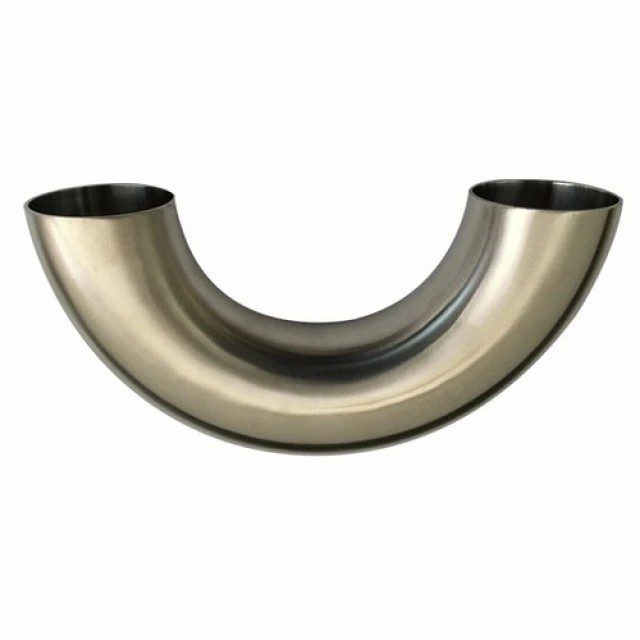
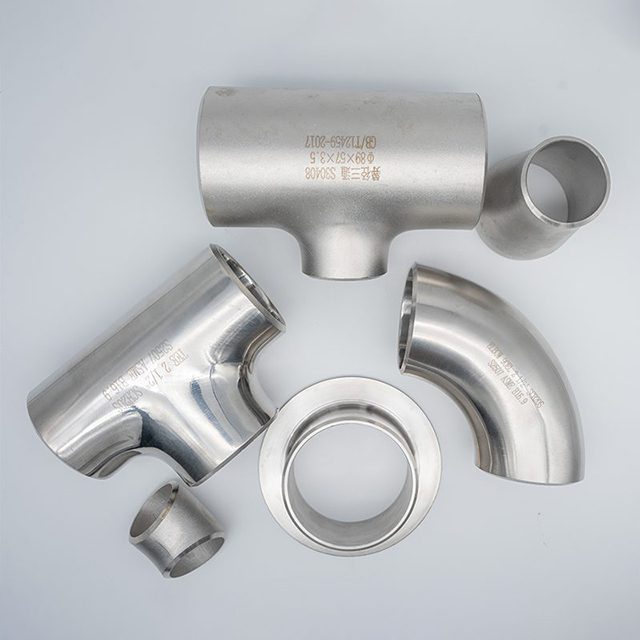
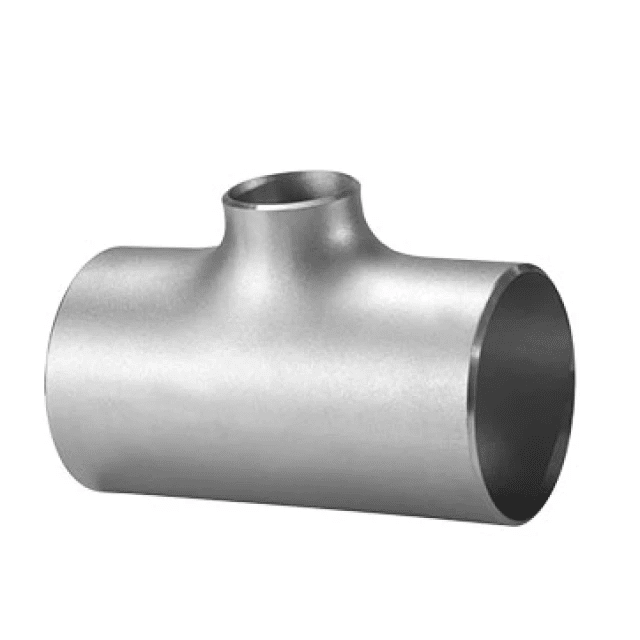
Welded pipe fittings mainly include welded elbows, welded tees, welded reducers, welded crosses, and custom fittings. Each type serves a different purpose in a piping system. For example, elbows are used to change the direction of pipelines, while reducers connect pipes with different diameters.
You should also consider important factors such as pipe size, wall thickness, pressure rating, temperature range, and connection type. A professional welded pipe fittings manufacturer should be able to recommend suitable products according to your operating environment.
Material selection is another key consideration. Stainless steel welded pipe fittings are commonly used in applications requiring excellent corrosion resistance and hygiene, such as food processing, pharmaceuticals, and chemical industries. Carbon steel welded fittings are often selected for heavy-duty applications because of their strength and cost efficiency.
Manufacturing experience is one of the most important factors when selecting a welded pipe fittings supplier. An experienced manufacturer usually has better knowledge of industry requirements, mature production processes, and stronger quality management systems.
A manufacturer with years of experience is more likely to understand the challenges of different applications, including high-pressure systems, corrosive environments, and customized engineering projects. They can provide more accurate recommendations regarding materials, designs, and specifications.
Industry experience is also important. For example, manufacturers serving oil and gas projects should understand pressure and safety requirements, while suppliers for food and pharmaceutical industries should be familiar with hygiene standards and sanitary requirements.
A reliable Welded Pipe Fittings Manufacturer should have strong manufacturing capabilities to ensure consistent product quality and stable supply.
Advanced production equipment, skilled technicians, and efficient manufacturing processes all contribute to better product performance. A professional factory should have capabilities such as precision forming, welding, machining, heat treatment, surface finishing, and inspection.
Production capacity is another important factor, especially for large industrial projects. Before cooperation, buyers should evaluate whether the manufacturer can handle required order quantities, maintain consistent quality, and deliver products within the expected timeframe.
In addition, customization capability is valuable for projects with special requirements. A capable manufacturer should be able to provide customized sizes, materials, designs, surface treatments, and OEM solutions according to customer needs.
Quality control is a critical factor that determines the reliability of welded pipe fittings. A professional manufacturer should have strict inspection procedures throughout the entire production process.
Quality control usually begins with raw material inspection to ensure that materials meet required chemical and mechanical standards. During production, manufacturers should monitor forming accuracy, welding quality, dimensions, and surface conditions.
Welding quality is especially important because welded joints directly affect fitting strength and durability. Professional manufacturers often use inspection methods such as visual inspection, dimensional measurement, and non-destructive testing to ensure product reliability.
Before shipment, finished products should undergo final inspections, including pressure testing, leakage testing, and appearance checks. Manufacturers that follow international standards and quality systems, such as ISO, ASTM, and ASME requirements, can provide greater confidence to buyers.
Industrial piping projects often require fittings that meet specific international standards. When selecting a manufacturer, check whether their products comply with relevant industry specifications.
Common standards for welded pipe fittings include ASME B16.9 for dimensions and ASTM standards for material requirements. For stainless steel welded fittings, standards such as ASTM A403 are commonly referenced, while carbon steel fittings may follow ASTM A234 requirements.
Certifications and compliance demonstrate that the manufacturer has established quality management systems and can consistently produce products that meet international requirements.
A reliable manufacturer should provide not only quality products but also dependable delivery and customer service.
Before placing an order, ask about production lead times, order capacity, packaging methods, and shipping arrangements. A manufacturer with strong supply chain management can reduce delays and help ensure smooth project execution.
Technical support is also important. Professional suppliers should be able to assist with product selection, installation recommendations, specification confirmation, and problem-solving during the project.
For long-term cooperation, choosing a manufacturer with responsive communication and reliable after-sales service can provide significant value.
When purchasing welded pipe fittings, buyers may choose between manufacturers and trading companies. While trading companies can provide convenience, working directly with a manufacturer often offers more advantages.
Direct manufacturers usually provide better control over product quality, more competitive pricing, stronger customization capabilities, and direct technical communication. They can also provide detailed information about production processes and quality inspections.
For large projects, customized requirements, or long-term supply partnerships, choosing a professional welded pipe fittings manufacturer is often a better option.
One common mistake is selecting a supplier based only on price. Although lower prices may seem attractive, poor-quality fittings can lead to leakage, system failures, and higher maintenance costs in the future.
Another mistake is ignoring material quality and certification. Without proper material documentation and testing reports, it can be difficult to verify whether products meet project requirements.
Some buyers also overlook production capability and technical support. A supplier that cannot provide timely delivery or professional assistance may create unnecessary project risks.
Before making a decision, buyers should carefully evaluate the manufacturer’s experience, production facilities, quality system, and customer service.
Before choosing a welded pipe fittings manufacturer, consider asking:
How many years of experience do you have in manufacturing pipe fittings?
What materials and specifications can you provide?
Which industries do you mainly serve?
What quality inspections do you perform?
Do your products meet international standards?
Can you provide customized solutions?
What is your production capacity and delivery time?
Do you provide technical support after delivery?
The answers to these questions can help determine whether the manufacturer is suitable for your project.
What industries use welded pipe fittings?
Welded pipe fittings are widely used in industries such as oil and gas, chemical processing, water treatment, power generation, food and beverage, pharmaceuticals, and manufacturing.
How do I choose a reliable welded pipe fittings manufacturer?
Consider factors such as manufacturing experience, production capability, quality control procedures, certifications, customization ability, and customer support.
Are stainless steel welded pipe fittings better than carbon steel fittings?
Neither material is suitable for all applications. Stainless steel offers better corrosion resistance, while carbon steel provides high strength and cost advantages for heavy-duty systems.
Can welded pipe fittings be customized?
Yes. Professional manufacturers can provide customized sizes, materials, designs, and surface treatments according to project requirements.
Why is quality control important for welded pipe fittings?
Proper quality control ensures accurate dimensions, strong welds, reliable performance, and longer service life.
Selecting the right Welded Pipe Fittings Manufacturer is essential for ensuring the safety, efficiency, and durability of industrial piping systems. A reliable manufacturer should combine advanced production capabilities, strict quality control, industry experience, customization options, and strong customer support.
Instead of focusing only on initial price, buyers should consider the manufacturer’s overall value and ability to provide long-term reliable solutions. By carefully evaluating these factors, businesses can choose a trusted welded pipe fittings manufacturer that supports successful project performance and long-term operational reliability.

STAINLESS STEEL&GENCEL;
Privacy Policy | SiteMap
Copyright GENCEL STAINLESS STEEL CO.,LIMITED
 Optimized by Seraphinite Accelerator