- Whatsapp: 8613738300923
- Email: [email protected]


In industrial piping systems, choosing the right components is essential for ensuring safe, efficient, and long-lasting operation. Among various pipe fittings, stainless steel elbow fittings play a critical role by changing the direction of fluid flow while maintaining system integrity.
Whether used in chemical processing plants, food and beverage facilities, water treatment systems, pharmaceutical production, or industrial manufacturing, the correct elbow fitting can significantly improve piping performance and reduce maintenance issues.
However, selecting a suitable stainless steel elbow fitting requires careful consideration of multiple factors, including material grade, elbow angle, pipe size, pressure rating, temperature requirements, connection type, and application environment.
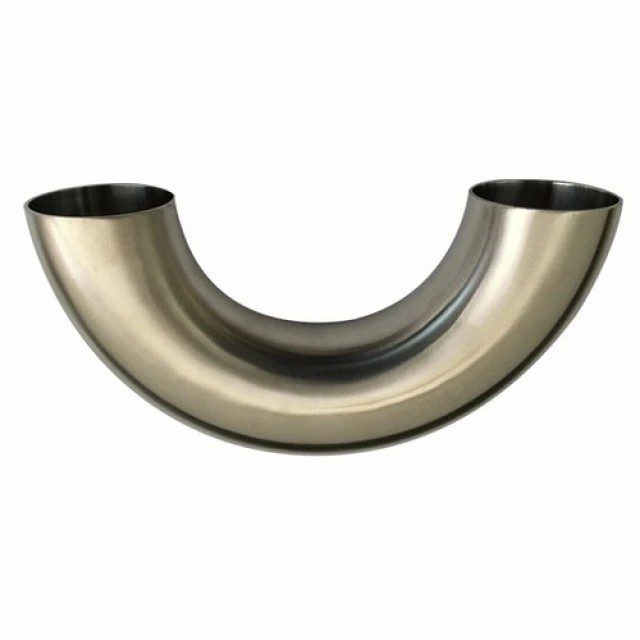
A stainless steel elbow fitting is a pipe component designed to change the direction of a piping system while maintaining a secure connection between pipes.
Unlike straight pipe connections, elbows allow pipelines to navigate around obstacles, optimize space utilization, and create efficient flow paths.
Common stainless steel elbow angles include:
90-Degree Stainless Steel Elbow
A 90-degree elbow changes the pipeline direction by a right angle and is the most commonly used type in industrial piping systems.
Typical applications include:
Water supply systems
Chemical pipelines
Process equipment connections
Industrial machinery
45-Degree Stainless Steel Elbow
A 45-degree elbow provides a smoother directional change with lower flow resistance compared with sharper bends.
Common uses include:
Systems requiring reduced pressure loss
Fluid transportation pipelines
Compact piping layouts
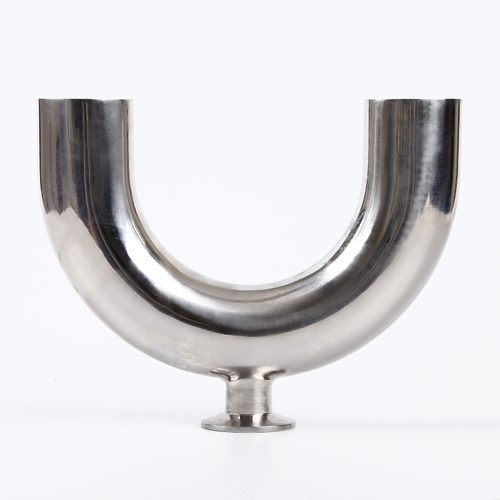
180-Degree Stainless Steel Elbow
A 180-degree elbow reverses flow direction and is commonly used in return piping systems.
Applications include:
Heat exchangers
Cooling systems
Specialized industrial equipment
Selecting the correct elbow fitting directly affects the reliability and efficiency of your piping system.
Prevents Leakage and System Failure
Incorrect material selection, poor sizing, or unsuitable pressure ratings may cause leakage, corrosion, or premature failure.
A properly selected stainless steel elbow fitting ensures a secure connection and stable operation.
Improves Flow Efficiency
Different elbow designs affect fluid resistance and pressure loss. Choosing the appropriate angle and radius helps maintain efficient flow performance.
Extends Service Life
The right stainless steel grade and design can withstand operating conditions for many years, reducing replacement frequency and maintenance costs.
Ensures Safety
Industrial piping systems often transport high-pressure fluids, chemicals, or hot materials. Selecting suitable fittings helps maintain system safety.
Material selection is one of the most important considerations.
The most common stainless steel grades include:
SS304 Stainless Steel Elbow Fittings
SS304 is widely used because of its:
Good corrosion resistance
Excellent durability
Easy fabrication
Cost-effectiveness
Common applications:
Food processing
Water systems
General industrial piping
Indoor environments
SS316 Stainless Steel Elbow Fittings
SS316 provides better corrosion resistance due to the addition of molybdenum.
Advantages include:
Improved chloride resistance
Better performance in marine environments
Higher chemical resistance
Common applications:
Chemical processing
Pharmaceutical systems
Marine applications
Offshore industries
The required angle depends on your piping layout and flow requirements.
90-Degree Elbow
Best for:
Sharp directional changes
Limited installation space
Standard piping systems
45-Degree Elbow
Best for:
Smoother flow transitions
Reduced pressure loss
Lower turbulence requirements
Long Radius vs Short Radius Elbows
Long radius elbows provide:
Lower flow resistance
Reduced turbulence
Better energy efficiency
Short radius elbows are suitable when:
Installation space is limited
Compact designs are required
The elbow fitting size must match the connected pipe dimensions.
Important measurements include:
Pipe diameter
Wall thickness
Connection size
Thread or welding specifications
Incorrect sizing may result in:
Leakage
Poor flow performance
Installation difficulties
Always confirm pipe dimensions before purchasing.
Industrial piping systems operate under different pressure conditions.
When selecting a stainless steel elbow fitting, consider:
Maximum operating pressure
System pressure fluctuations
Safety requirements
A fitting with an insufficient pressure rating may fail under demanding conditions.
Manufacturers typically provide pressure specifications based on:
Material grade
Wall thickness
Manufacturing standards
Design type
Temperature affects material performance and service life.
Consider:
Normal operating temperature
Maximum temperature
Temperature fluctuations
For high-temperature applications, choose fittings designed for elevated temperature performance.
Industries requiring temperature-resistant fittings include:
Power generation
Chemical processing
Heating systems
Industrial manufacturing
Stainless steel elbow fittings are available with different connection methods.
Threaded Elbow Fittings
Advantages:
Easy installation
Simple replacement
Suitable for smaller piping systems
Applications:
Water systems
Low-pressure applications
Equipment connections
Welded Elbow Fittings
Advantages:
Strong connection
Excellent sealing performance
Suitable for high-pressure systems
Applications:
Chemical pipelines
Oil and gas systems
Industrial processing equipment
Choose the connection type according to installation requirements and operating conditions.
High-quality stainless steel elbow fittings should comply with relevant industry standards.
Common standards include:
ASTM standards
ASME specifications
DIN standards
ISO quality requirements
Certified products provide better assurance regarding:
Material quality
Dimensional accuracy
Manufacturing consistency
Food and Beverage Industry
Requirements:
Hygienic surfaces
Corrosion resistance
Easy cleaning
SS304 and SS316 elbow fittings are commonly used in:
Processing equipment
Beverage pipelines
Sanitary systems
Chemical Processing Industry
Chemical environments require excellent corrosion resistance.
SS316 elbow fittings are often preferred because they provide better protection against aggressive chemicals.
Water Treatment Systems
Stainless steel elbow fittings are used because they offer:
Long service life
Resistance to water corrosion
Reliable connections
Applications include:
Filtration systems
Water distribution pipelines
Treatment equipment
Pharmaceutical Industry
Pharmaceutical systems require:
High cleanliness standards
Reliable sealing
Corrosion-resistant materials
Stainless steel fittings support strict hygiene requirements.
Oil and Gas Industry
Industrial piping systems require fittings that can handle:
High pressure
Harsh environments
Continuous operation
Proper material and pressure selection are essential.
Choosing Based Only on Price
Lower-cost fittings may use inferior materials or have inconsistent quality.
Always consider:
Material quality
Manufacturing standards
Service life
Selecting the Wrong Material Grade
Using SS304 in highly corrosive environments may reduce service life.
Evaluate the operating environment carefully before choosing between SS304 and SS316.
Ignoring Pressure and Temperature Requirements
A fitting that cannot withstand actual operating conditions may create safety risks.
Always verify technical specifications.
Overlooking Manufacturer Quality
A reliable manufacturer ensures:
Accurate dimensions
Consistent materials
Proper testing
Technical support
Before purchasing, consider the following:
Confirm Your Application Requirements
Define:
Fluid type
Pressure
Temperature
Environment
Request Product Specifications
Check:
Material grade
Size range
Standards
Testing reports
Choose a Reliable Manufacturer
Look for suppliers with:
Manufacturing experience
Quality certifications
Customization capabilities
Strong customer support
Consider Long-Term Performance
The cheapest option may not provide the best value. High-quality fittings usually reduce maintenance costs and improve system reliability.
What is a stainless steel elbow fitting used for?
A stainless steel elbow fitting is used to change the direction of a piping system while maintaining a secure and durable connection.
Should I choose SS304 or SS316 elbow fittings?
SS304 is suitable for general applications, while SS316 is better for highly corrosive environments such as marine and chemical applications.
What is the most common stainless steel elbow angle?
The 90-degree elbow is the most commonly used because it provides a simple and effective direction change.
Are stainless steel elbow fittings suitable for high-pressure applications?
Yes. When properly selected according to pressure ratings and standards, stainless steel elbow fittings can be used in high-pressure industrial systems.
How long do stainless steel elbow fittings last?
With proper material selection, installation, and maintenance, stainless steel elbow fittings can provide many years of reliable service.
How do I choose a stainless steel elbow fitting supplier?
Choose a supplier with proven manufacturing experience, quality control systems, certifications, and technical support capabilities.
Choosing the right stainless steel elbow fitting is essential for achieving a safe, efficient, and reliable piping system. Factors such as stainless steel grade, elbow angle, pipe size, pressure rating, temperature requirements, connection method, and application environment all influence fitting performance.
By carefully evaluating your project requirements and working with a reliable stainless steel fitting manufacturer, you can select elbow fittings that provide excellent durability, corrosion resistance, and long-term value.
The right stainless steel elbow fitting not only improves piping efficiency but also helps reduce maintenance costs and ensures stable operation across demanding industrial applications.

STAINLESS STEEL&GENCEL;
Privacy Policy | SiteMap
Copyright GENCEL STAINLESS STEEL CO.,LIMITED
 Optimized by Seraphinite Accelerator