- Whatsapp: 8613738300923
- Email: [email protected]


When sourcing stainless steel fittings for industrial piping systems, quality is one of the most important factors to consider. Whether the fittings are used in oil and gas, chemical processing, food and beverage, pharmaceuticals, or power generation, even a small manufacturing defect can lead to leaks, equipment failure, costly downtime, or safety risks.
For this reason, reputable stainless steel fittings manufacturers implement comprehensive quality control processes throughout the entire production cycle. Quality assurance is not limited to inspecting the finished product—it begins with raw material selection and continues through manufacturing, testing, inspection, packaging, and delivery.
This article explains the typical quality control process used by professional stainless steel fittings manufacturers and why it is essential for ensuring consistent product performance and long-term reliability.
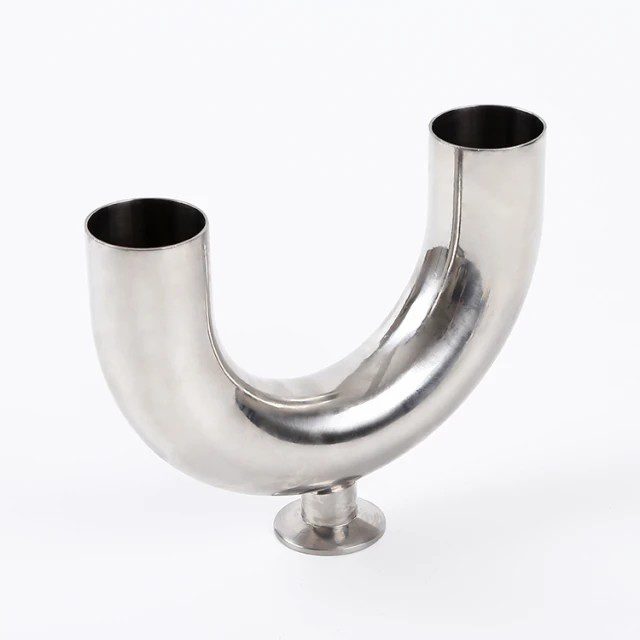
Industrial piping systems often operate under high pressure, elevated temperatures, or corrosive environments. Pipe fittings are responsible for maintaining secure and leak-free connections, making their quality critical to the safety and efficiency of the entire system.
A well-established quality control process helps manufacturers produce fittings with accurate dimensions, consistent mechanical properties, and excellent corrosion resistance. It also minimizes production defects, reduces customer complaints, and ensures compliance with international standards. For buyers, choosing a manufacturer with strict quality management practices means lower maintenance costs, fewer installation issues, and greater confidence in long-term system performance.
Quality control begins before production starts. Reliable manufacturers carefully inspect incoming stainless steel materials to verify that they meet the required chemical composition and mechanical properties.
Materials such as 304, 304L, 316, or 316L stainless steel are checked against purchase specifications and relevant standards. Material certificates are reviewed, and many manufacturers perform additional testing to confirm alloy composition before the material enters production. This first step helps ensure that only qualified raw materials are used for manufacturing stainless steel fittings.
Once the raw materials have been approved, production begins using carefully controlled manufacturing processes. Depending on the product type, stainless steel fittings may be produced through forging, hot forming, cold forming, machining, welding, or heat treatment.
Throughout production, manufacturers monitor machining accuracy, forming dimensions, welding quality, and surface finish to ensure every fitting meets design specifications. Modern production facilities often use CNC equipment and automated measuring systems to improve consistency and reduce the possibility of human error.
Process control at every manufacturing stage helps maintain uniform product quality and reduces the likelihood of defects reaching the final inspection stage.
After manufacturing, each fitting undergoes dimensional and visual inspection. Critical dimensions such as outside diameter, wall thickness, end preparation, center-to-end distance, and connection geometry are measured to verify compliance with standards such as ASME B16.9, ASME B16.11, or MSS specifications.
Visual inspection is equally important. Inspectors carefully examine each fitting for surface defects, cracks, dents, scratches, incomplete welds, or other imperfections that could affect performance. Products that do not meet quality requirements are removed from the production line before further processing.
For applications involving demanding operating conditions, additional testing is often required to verify the strength and integrity of stainless steel fittings.
Mechanical testing may include hardness testing, tensile strength testing, and impact testing to confirm that the material meets specified performance requirements. Manufacturers may also perform hydrostatic pressure tests or pneumatic leak tests on certain products to evaluate pressure resistance.
Non-destructive testing methods such as dye penetrant testing (PT), ultrasonic testing (UT), or radiographic testing (RT) are commonly used to detect internal or surface defects without damaging the product. These inspection methods are particularly important for fittings used in critical industries such as petrochemical processing, offshore engineering, and power generation.
Surface quality has a direct impact on both appearance and corrosion resistance. After machining and inspection, stainless steel fittings typically undergo cleaning and finishing processes to remove contaminants generated during manufacturing.
Depending on customer requirements, manufacturers may perform pickling and passivation to restore the protective chromium oxide layer on the stainless steel surface. These treatments improve corrosion resistance and help ensure long-term performance, particularly in aggressive industrial environments.
For sanitary applications such as food processing and pharmaceutical manufacturing, additional polishing may be carried out to achieve the required surface roughness and hygiene standards.
Before shipment, finished fittings undergo a final quality inspection to confirm that they comply with customer specifications and applicable international standards. Manufacturers also verify product markings, dimensions, surface condition, and packaging requirements.
Many professional manufacturers maintain complete material traceability throughout production. Each fitting can be traced back to its raw material batch, production records, and inspection reports, providing customers with greater confidence in product quality.
Proper packaging is another important part of quality control. Stainless steel fittings are carefully protected against moisture, contamination, and mechanical damage during transportation to ensure they arrive in excellent condition.
Leading stainless steel fittings manufacturers operate quality management systems that comply with internationally recognized standards. Production and inspection are commonly carried out according to ASTM, ASME, MSS, and ISO requirements, ensuring products meet global industry expectations.
Many manufacturers also hold certifications such as ISO 9001, demonstrating their commitment to continuous quality improvement and standardized manufacturing processes. For projects requiring third-party verification, inspection agencies can witness testing and issue independent inspection reports before shipment.
For buyers, understanding a supplier’s quality control capabilities is just as important as comparing prices. A reliable manufacturer should be able to provide material test certificates, inspection reports, traceability records, and information about its quality management system.
It is also beneficial to evaluate the manufacturer’s production equipment, testing facilities, certifications, and experience serving industries with demanding quality requirements. Working with a supplier that invests in comprehensive quality control helps reduce project risks and ensures consistent product performance over the long term.
Q1. Why is quality control important for stainless steel fittings?
Quality control ensures that stainless steel fittings meet required standards for strength, corrosion resistance, dimensional accuracy, and pressure performance. It helps prevent product defects that could lead to leaks, equipment failure, or costly downtime.
Q2. What tests are commonly performed on stainless steel fittings?
Manufacturers may perform dimensional inspection, visual examination, chemical composition analysis, hardness testing, tensile testing, hydrostatic testing, and non-destructive testing such as dye penetrant, ultrasonic, or radiographic inspection.
Q3. How do manufacturers verify raw material quality?
Most manufacturers inspect incoming materials using mill test certificates, chemical composition analysis, and material identification procedures to confirm that the stainless steel meets specified grades such as 304 or 316.
Q4. What certifications should a reliable stainless steel fittings manufacturer have?
Many reputable manufacturers operate under ISO 9001 quality management systems and manufacture products in accordance with standards such as ASTM, ASME, and MSS. Depending on the project, third-party inspection certificates may also be available.
Q5. How can buyers evaluate a manufacturer’s quality control process?
Buyers should review the manufacturer’s certifications, testing capabilities, inspection procedures, traceability system, production equipment, and quality documentation. Visiting the factory or requesting inspection reports can also help verify the supplier’s quality management practices.
Quality control is the foundation of reliable stainless steel fittings manufacturing. From raw material inspection and precision production to mechanical testing, surface treatment, final inspection, and traceability, every stage plays a crucial role in ensuring product quality and consistent performance.
For industries where safety, durability, and corrosion resistance are essential, partnering with a stainless steel fittings manufacturer that maintains a comprehensive quality control system is a smart investment. High-quality fittings not only improve the reliability of piping systems but also reduce maintenance costs, minimize operational risks, and provide long-term value throughout the life of the project.


STAINLESS STEEL&GENCEL;
Privacy Policy | SiteMap
Copyright GENCEL STAINLESS STEEL CO.,LIMITED
 Optimized by Seraphinite Accelerator