- Whatsapp: 8613738300923
- Email: [email protected]


Choosing the right stainless steel fittings manufacturer is one of the most important decisions when sourcing components for industrial piping systems. Whether your project involves oil and gas, chemical processing, food and beverage production, pharmaceuticals, or water treatment, the quality of the fittings directly affects system safety, efficiency, and long-term operating costs.
With hundreds of manufacturers competing in the global market, selecting a supplier based solely on price can lead to inconsistent product quality, delayed deliveries, and unexpected maintenance expenses. A reliable manufacturer should not only provide high-quality stainless steel fittings but also offer stable production capacity, strict quality control, technical expertise, and responsive customer service.
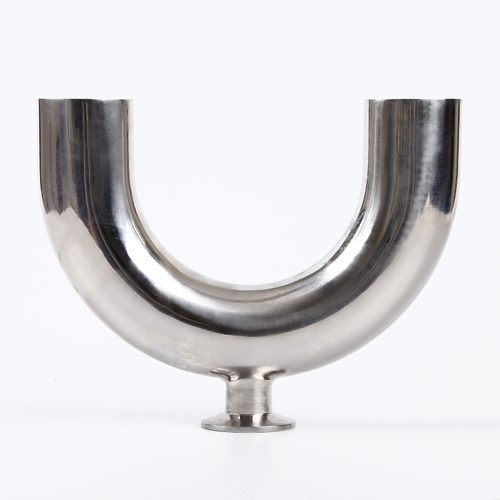
Before contacting potential suppliers, clearly define your project requirements. Knowing exactly what you need makes it easier to identify manufacturers that specialize in the products you require and reduces the risk of purchasing unsuitable fittings.
Consider factors such as the type of fitting, material grade, pressure rating, connection method, operating temperature, and the industry standards your project must comply with. You should also determine whether you need standard products or custom-made solutions. A manufacturer that understands your application can often recommend more suitable products and help avoid costly design mistakes.
Experience is often a strong indicator of manufacturing capability. Companies that have been producing stainless steel fittings for many years usually have more mature production processes, skilled engineering teams, and a better understanding of international quality requirements.
An experienced manufacturer is also more likely to have supplied customers across multiple industries, giving them valuable knowledge of different application environments. Reviewing the company’s history, major markets, and project experience can provide insight into its reliability and long-term stability.
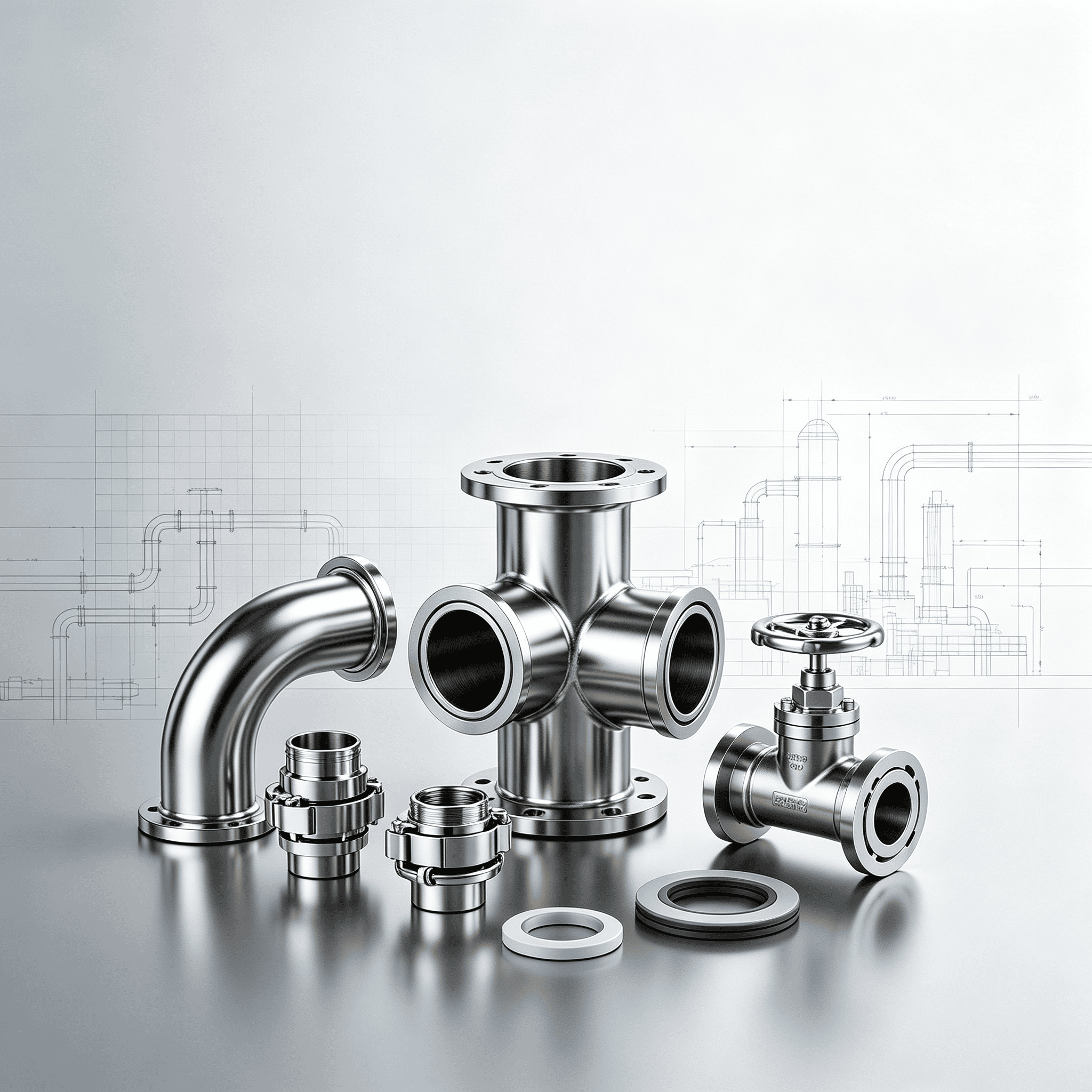
A reliable manufacturer should offer a comprehensive range of stainless steel fittings to meet different project needs. This typically includes elbows, tees, reducers, caps, stub ends, threaded fittings, socket weld fittings, and butt weld fittings in various sizes and material grades.
Beyond product variety, it is equally important to understand the manufacturer’s production capabilities. Modern manufacturing equipment, precision machining technology, advanced welding processes, and efficient production lines contribute to consistent product quality and shorter lead times. Manufacturers with in-house production generally have better control over quality and delivery schedules than suppliers that rely heavily on outsourcing.
Quality control is one of the clearest indicators of a trustworthy manufacturer. A professional supplier should have established inspection procedures covering every stage of production, from raw material verification to final product testing.
Ask whether the manufacturer performs dimensional inspections, material identification, mechanical testing, pressure testing, or non-destructive testing when required. It is also worth confirming whether products undergo surface treatment processes such as pickling and passivation to improve corrosion resistance. Manufacturers that maintain strict quality management systems are more likely to deliver consistent products that meet customer specifications.
Industrial piping projects often require products that comply with internationally recognized standards. Reliable manufacturers should be familiar with specifications such as ASTM, ASME, MSS, DIN, EN, or JIS, depending on the target market.
In addition to product standards, quality management certifications such as ISO 9001 demonstrate that the manufacturer follows standardized production and inspection procedures. If your project requires third-party inspection or material traceability, confirm that the supplier can provide the necessary documentation before placing an order.
The performance of stainless steel fittings depends heavily on the quality of the raw materials used during production. A reputable manufacturer should be able to provide material test certificates that verify the chemical composition and mechanical properties of each batch.
Many manufacturers also implement complete traceability systems, allowing every finished fitting to be traced back to its raw material source and production records. This level of documentation is particularly valuable for industries with strict quality and regulatory requirements.
Not every project uses standard fittings. Some applications require customized dimensions, special materials, unique surface finishes, or private labeling. If your business requires OEM or ODM services, choose a manufacturer with experience in custom production.
A supplier with strong engineering capabilities can assist with design optimization, prototype development, and customized manufacturing while ensuring that the finished products meet your technical requirements. This flexibility can be especially valuable for distributors, wholesalers, and equipment manufacturers.
Reliable delivery is just as important as product quality. Production delays can interrupt construction schedules and increase project costs, especially for large industrial installations.
Ask potential suppliers about their production capacity, inventory management, typical lead times, and export experience. Manufacturers with efficient production planning and well-established logistics systems are generally better equipped to deliver orders on time, even for large or recurring projects.
Good communication plays an important role throughout the purchasing process. A professional manufacturer should respond promptly to inquiries, provide accurate technical information, and offer clear quotations without unnecessary delays.
Strong customer support also becomes valuable after delivery. Whether you need installation guidance, replacement documentation, or technical assistance, responsive service helps build long-term business relationships and reduces procurement risks.
Although price is an important consideration, choosing the lowest quotation is not always the most economical decision. Lower-priced products may involve lower-grade materials, limited quality control, or inconsistent manufacturing standards, which can increase maintenance costs over time.
Instead of focusing only on unit price, evaluate the supplier based on overall value. Consider product quality, production capability, certifications, delivery reliability, technical support, and long-term cooperation potential. A slightly higher initial investment often results in lower operating costs and greater reliability throughout the life of the piping system.
For many businesses, purchasing stainless steel fittings is an ongoing requirement rather than a one-time transaction. Establishing a long-term relationship with a reliable manufacturer offers several advantages, including consistent product quality, stable pricing, faster production scheduling, and improved technical support.
Manufacturers that understand your business and product requirements can respond more quickly to future orders and provide customized solutions as your projects evolve. Over time, this partnership can improve procurement efficiency and strengthen your supply chain.
Q1. What should I look for in a stainless steel fittings manufacturer?
Look for a manufacturer with extensive industry experience, strict quality control, modern production equipment, international certifications, reliable delivery performance, and strong technical support. These factors help ensure consistent product quality and dependable service.
Q2. How can I verify the quality of stainless steel fittings?
You can request material test certificates, inspection reports, product certifications, and information about the manufacturer’s testing procedures. Reputable suppliers are usually transparent about their quality management systems and production processes.
Q3. Why are certifications important when selecting a manufacturer?
Certifications such as ISO 9001 indicate that the manufacturer follows recognized quality management practices. Compliance with standards such as ASTM and ASME also helps ensure that the fittings meet international industry requirements.
Q4. Should I choose a manufacturer based on the lowest price?
Not necessarily. While competitive pricing is important, overall value should be the priority. Product quality, manufacturing capability, technical support, delivery reliability, and long-term service often have a greater impact on project success than the initial purchase price.
Q5. Can stainless steel fittings manufacturers provide customized products?
Yes. Many professional manufacturers offer OEM and custom manufacturing services, including special dimensions, material grades, surface finishes, product markings, and packaging to meet specific customer requirements.
Finding a reliable stainless steel fittings manufacturer requires more than comparing prices or product catalogs. It involves evaluating the supplier’s experience, manufacturing capabilities, quality control systems, certifications, material traceability, production capacity, and customer support.
By taking the time to assess these factors carefully, buyers can reduce procurement risks, improve project reliability, and build long-term partnerships with trusted suppliers. A dependable manufacturer not only delivers high-quality stainless steel fittings but also provides the technical expertise and consistent service needed to support successful industrial piping projects for years to come.

STAINLESS STEEL&GENCEL;
Privacy Policy | SiteMap
Copyright GENCEL STAINLESS STEEL CO.,LIMITED
 Optimized by Seraphinite Accelerator