- Whatsapp: 8613738300923
- Email: [email protected]


Choosing the right stainless tube fittings supplier is essential for ensuring the safety, reliability, and long-term performance of industrial fluid systems. Stainless tube fittings are widely used in industries such as oil and gas, chemical processing, pharmaceuticals, food and beverage, semiconductor manufacturing, instrumentation, and hydraulic systems, where leak-free connections and corrosion resistance are critical.
With numerous suppliers available worldwide, comparing them based solely on price can lead to costly mistakes. Differences in material quality, manufacturing capabilities, certifications, quality control, delivery performance, and technical support can significantly impact your project’s success.
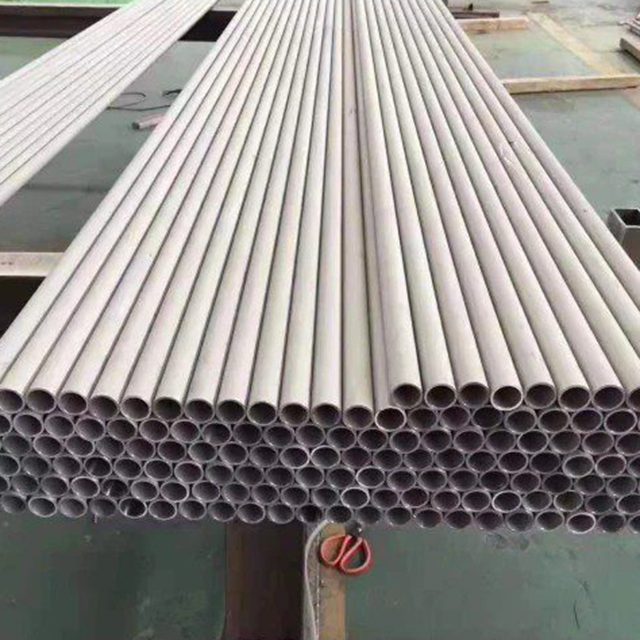
Tube fittings are small components, but they play a vital role in maintaining system integrity. Inferior fittings can cause leaks, pressure loss, contamination, equipment damage, and unexpected downtime.
Comparing suppliers carefully helps you:
Ensure consistent product quality
Improve system safety
Reduce maintenance costs
Minimize procurement risks
Secure reliable delivery
Build long-term business relationships
A thorough evaluation goes beyond pricing to consider the supplier’s overall capabilities.
Before comparing suppliers, clearly define your application needs.
Consider the following:
Different industries have different requirements.
Examples include:
Food and beverage
Pharmaceutical manufacturing
Chemical processing
Oil and gas
Semiconductor production
Instrumentation
Hydraulic systems
Water treatment
Identify the fittings you require, such as:
Compression fittings
Double ferrule fittings
Single ferrule fittings
Tube elbows
Tube tees
Tube unions
Tube adapters
Tube connectors
Tube couplings
Common stainless steel grades include:
304 Stainless Steel
304L Stainless Steel
316 Stainless Steel
316L Stainless Steel
For highly corrosive environments, 316L stainless steel is generally recommended.
Specify:
Tube size
Pressure rating
Temperature range
Connection type
Surface finish
Fluid compatibility
Providing complete specifications allows suppliers to recommend the most appropriate products.
Experience often reflects a supplier’s technical expertise and production consistency.
Reliable suppliers usually have:
Many years of manufacturing experience
Professional engineering teams
Modern production facilities
Global export experience
Long-term cooperation with international customers
Experienced manufacturers better understand industry standards and application requirements.
Material quality directly affects corrosion resistance, strength, and service life.
Ask suppliers whether they provide:
Certified stainless steel materials
Mill Test Certificates (MTC)
Material traceability
Chemical composition reports
Reliable suppliers use premium raw materials from qualified steel mills and maintain full traceability throughout production.
Modern production equipment ensures precision and product consistency.
Compare suppliers based on their manufacturing capabilities, including:
CNC machining centers
Precision lathes
Automatic threading equipment
Surface polishing machines
Cleaning and passivation processes
Automated assembly lines
High-precision machining is especially important for compression tube fittings, where sealing performance depends on tight manufacturing tolerances.
A strong quality management system is one of the most important indicators of a reliable supplier.
Look for manufacturers that perform:
Verifies chemical composition and material authenticity.
Checks:
Thread accuracy
Tube diameter compatibility
Ferrule dimensions
Overall tolerances
Ensures fittings are free from:
Burrs
Scratches
Surface contamination
Machining defects
Reliable suppliers verify sealing performance through pressure testing.
Every fitting should be inspected before packaging and shipment.
Strict quality control significantly reduces installation problems and product failures.
International certifications demonstrate a supplier’s commitment to quality and compliance.
Look for certifications such as:
ISO 9001
ASTM Standards
ASME Standards
CE Certification
PED Certification
FDA Compliance (for sanitary applications)
RoHS Compliance (where applicable)
Certified suppliers are generally better prepared to serve international markets.
Working with a supplier that offers a complete range of tube fittings simplifies procurement.
A comprehensive product portfolio may include:
Straight unions
Male connectors
Female connectors
Tube elbows
Tube tees
Cross fittings
Bulkhead fittings
Tube caps
Tube plugs
Instrumentation valves
A broader selection allows you to source multiple components from one supplier, reducing purchasing complexity.
Many industrial projects require customized solutions.
Professional suppliers often provide:
Custom dimensions
Special thread types
Alternative materials
Laser logo engraving
Private labeling
Custom packaging
Special surface treatments
OEM capabilities are particularly valuable for distributors and equipment manufacturers.
Reliable delivery is essential for maintaining project schedules.
Compare suppliers based on:
Monthly production capacity
Inventory availability
Standard lead times
Emergency production capability
Export experience
Packaging quality
A supplier with stable production capacity can better support both small trial orders and large-volume projects.
Technical expertise is an important factor when comparing suppliers.
Reliable suppliers should provide:
Product selection assistance
Engineering recommendations
Technical drawings
Installation guidance
Maintenance advice
Troubleshooting support
Strong technical support helps ensure correct product selection and proper installation.
Effective communication contributes to a smooth purchasing experience.
Evaluate suppliers based on:
Response speed
Technical knowledge
English communication skills
Quotation accuracy
Order tracking
Problem-solving ability
Responsive customer service often reflects overall business professionalism.
The cheapest supplier is not always the most economical.
A low-priced fitting may result in:
Frequent leakage
Higher maintenance costs
Production downtime
Product replacement
Safety risks
Instead, compare the total value offered by each supplier, including:
Product quality
Material certification
Inspection procedures
Technical support
Warranty
Delivery reliability
After-sales service
The best supplier delivers the greatest long-term return on investment.
Before placing an order, ask the following questions:
How many years have you manufactured stainless tube fittings?
Which material grades do you offer?
Can you provide Mill Test Certificates?
What testing procedures do you perform?
Which international standards do your products comply with?
Do you offer OEM and customization services?
What are your standard lead times?
Can I request product samples?
What warranty do you provide?
How do you handle quality claims?
These questions help you compare suppliers objectively.
Avoid these common purchasing mistakes:
Lower prices may indicate inferior materials or reduced quality control.
Always request documentation verifying material authenticity.
Products without thorough inspection are more likely to fail during operation.
Evaluate product quality before placing large-volume orders.
Reliable suppliers continue supporting customers after delivery.
Avoiding these mistakes reduces procurement risks and improves long-term satisfaction.
An experienced supplier offers advantages that extend beyond competitive pricing.
Benefits include:
Premium raw materials
Precision manufacturing
Strict quality management
International certifications
Comprehensive product range
Flexible OEM solutions
Reliable delivery
Professional technical support
Responsive after-sales service
A dependable supplier becomes a long-term partner that contributes to the efficiency and reliability of your fluid systems.
Comparing stainless tube fittings suppliers requires evaluating much more than product pricing. Material quality, manufacturing expertise, certifications, inspection procedures, customization capabilities, production capacity, delivery performance, and technical support all play essential roles in determining long-term value.
By taking the time to compare suppliers thoroughly, you can reduce procurement risks, improve system reliability, and establish a stable supply chain for future projects. Whether you’re purchasing standard compression fittings or customized tube connectors, choosing the right supplier is an investment in the performance and success of your industrial operations.
1. What is the most important factor when comparing stainless tube fittings suppliers?
The most important factors include material quality, manufacturing precision, quality control, international certifications, and the supplier’s ability to provide consistent technical support and reliable delivery.
2. Why are Mill Test Certificates (MTC) important?
Mill Test Certificates verify the chemical composition and mechanical properties of the stainless steel, ensuring the fittings meet the required material specifications and industry standards.
3. Should I choose 304 or 316 stainless steel tube fittings?
304 stainless steel is suitable for most general industrial applications, while 316 and 316L stainless steel provide better corrosion resistance for marine, chemical, pharmaceutical, and food processing environments.
4. Do professional suppliers offer OEM and customization services?
Yes. Many manufacturers provide custom dimensions, thread types, laser marking, private labeling, special packaging, and other OEM solutions to meet specific project or branding requirements.
5. How can I verify a supplier’s product quality?
Request certifications, inspection reports, and material certificates, ask about testing procedures, and evaluate product samples before placing bulk orders.
6. Why is after-sales support important?
Strong after-sales support ensures you receive technical assistance, warranty services, troubleshooting guidance, and prompt solutions, helping maintain the long-term reliability of your fluid system.


STAINLESS STEEL&GENCEL;
Privacy Policy | SiteMap
Copyright GENCEL STAINLESS STEEL CO.,LIMITED
 Optimized by Seraphinite Accelerator