- Whatsapp: 8613738300923
- Email: [email protected]


Choosing a reliable manual diaphragm valve manufacturer is essential for ensuring product quality, operational safety, and long-term performance in industrial piping systems. Manual diaphragm valves are widely used in industries such as pharmaceuticals, food and beverage processing, biotechnology, water treatment, and chemical manufacturing, where precise flow control and reliable sealing are important.
However, not all manufacturers offer the same level of product quality, technical expertise, or manufacturing capabilities. Buyers need to evaluate several factors before selecting a supplier, including material quality, manufacturing processes, product certifications, customization options, and after-sales support.
Understanding what to look for in a manual diaphragm valve manufacturer can help distributors, engineers, procurement teams, and industrial buyers make informed purchasing decisions.
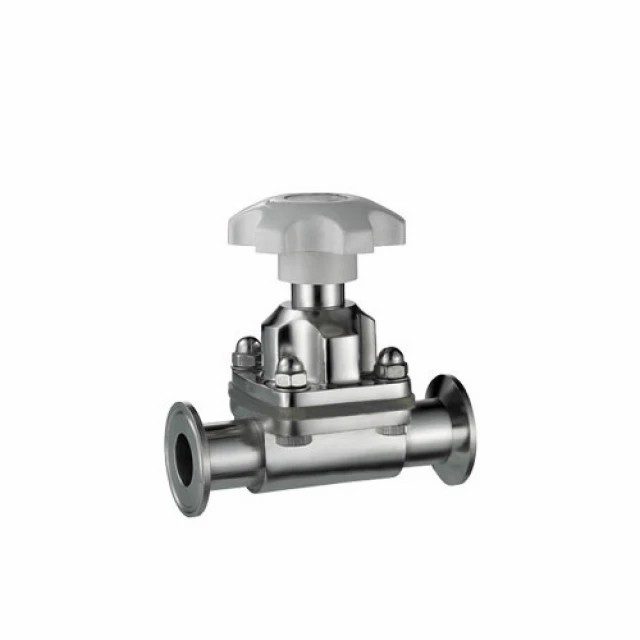
Product quality is one of the most important factors when evaluating a manual diaphragm valve manufacturer. The valve must maintain reliable sealing performance, resist corrosion, and withstand the operating conditions of the intended application.
Buyers should pay attention to the materials used for both the valve body and diaphragm. Stainless steel grades such as 304 and 316L are commonly selected for industrial and hygienic applications because of their corrosion resistance and durability.
Diaphragm materials also affect valve performance. Common options include EPDM, PTFE, and other application-specific elastomers. The appropriate material depends on fluid compatibility, operating temperature, pressure, and cleaning requirements.
A reliable manufacturer should provide clear material specifications and help customers select suitable configurations for their operating environments.
A manufacturer’s production capabilities directly influence product consistency, dimensional accuracy, and delivery reliability.
Buyers should evaluate whether the manufacturer has standardized production processes, modern manufacturing equipment, and sufficient production capacity. Important manufacturing procedures may include precision machining, welding, surface treatment, assembly, and pressure testing.
For hygienic diaphragm valves, surface finish and internal structural design are particularly important. Smooth internal surfaces and properly designed flow passages help reduce fluid retention and make cleaning easier.
Manufacturers with well-established production systems are generally better positioned to maintain consistent product quality across different orders.
A dependable manual diaphragm valve manufacturer should have a comprehensive quality control system covering raw materials, production, assembly, and finished products.
Important inspection procedures may include:
Material Inspection: Verifying material grades and specifications before production.
Dimensional Inspection: Checking valve dimensions, connection sizes, and component tolerances.
Pressure Testing: Evaluating pressure resistance and sealing performance.
Leakage Testing: Checking whether the valve maintains reliable sealing under specified test conditions.
Final Inspection: Confirming product appearance, assembly quality, and operating performance.
Buyers should also ask whether the manufacturer can provide inspection reports, material certificates, and relevant product test documentation.
These measures help reduce the risk of product defects and ensure that purchased valves meet project requirements.
Different industrial applications have different requirements for valve sizes, connection types, pressure ratings, materials, and operating conditions.
A professional manufacturer should offer a suitable range of manual diaphragm valves to accommodate different installation environments and fluid control requirements.
Buyers should consider whether the supplier can provide different valve configurations, including:
Different valve body materials and diaphragm options.
Multiple connection types, such as threaded, flanged, and sanitary clamp connections.
Different nominal sizes and pressure ratings.
Customized dimensions and special product configurations.
OEM and ODM capabilities can also be valuable for distributors and equipment manufacturers that require customized products, private labeling, or specific technical specifications.
A manufacturer with flexible production capabilities can help buyers reduce sourcing complexity and meet specialized project requirements.
Industry experience is another important consideration when choosing a manual diaphragm valve manufacturer.
Manufacturers with experience in valve production are more likely to understand the technical requirements of different applications, including fluid compatibility, sealing performance, installation conditions, and maintenance needs.
For example, pharmaceutical and food processing applications may require hygienic designs and suitable material certifications. Chemical processing systems may place greater emphasis on corrosion resistance and diaphragm compatibility.
Buyers should review the manufacturer’s product portfolio, industry experience, engineering capabilities, and previous project experience.
Technical support is equally important. A qualified manufacturer should be able to answer questions about valve specifications, material selection, installation, and operating conditions.
Certifications and compliance documentation help buyers evaluate whether a manufacturer’s products and production systems meet relevant quality and industry requirements.
Depending on the application and target market, buyers may need to consider:
ISO 9001: Quality management system certification.
CE Marking: Relevant for products falling within applicable European Union legislation.
FDA Compliance: Relevant material compliance requirements for certain food-contact and pharmaceutical applications.
3-A Sanitary Standards: Relevant hygienic design requirements for applicable food and dairy processing equipment.
It is important to distinguish between company-level management certifications and product-specific compliance documentation. Buyers should verify the actual scope and validity of certificates rather than relying only on general marketing claims.
Selecting a manufacturer with appropriate documentation can make supplier evaluation and project approval more efficient.
Delivery performance is particularly important for distributors, equipment manufacturers, and industrial projects with strict installation schedules.
Before placing an order, buyers should evaluate the manufacturer’s production capacity, raw material availability, inventory management, and order processing procedures.
Key questions include whether the manufacturer can handle bulk orders, maintain consistent product specifications, provide realistic lead times, and manage urgent orders when necessary.
A reliable supplier should communicate production progress clearly and provide timely updates if unexpected delays occur.
Stable delivery performance helps buyers maintain inventory levels, avoid project interruptions, and improve overall supply chain efficiency.
A reliable manual diaphragm valve manufacturer should provide support beyond the initial product purchase.
After-sales service may include installation guidance, operating instructions, troubleshooting assistance, replacement diaphragm supply, and maintenance recommendations.
Buyers should also understand how the manufacturer handles product complaints, warranty claims, and quality-related issues.
For international buyers, responsive communication is especially important. Manufacturers with professional export sales teams and technical support capabilities can make cross-border cooperation more efficient.
Good after-sales service helps establish long-term supplier relationships and reduces potential maintenance costs.
Price is an important purchasing consideration, but selecting a manufacturer based solely on the lowest quotation can create long-term risks.
Differences in raw materials, machining accuracy, diaphragm quality, inspection procedures, and manufacturing standards can significantly affect product performance and service life.
Buyers should compare quotations based on the same technical specifications, including valve size, body material, diaphragm material, connection type, pressure rating, and testing requirements.
It is also important to consider delivery costs, replacement parts, maintenance requirements, and warranty conditions.
A manufacturer offering consistent quality, competitive pricing, and dependable technical support may provide better overall purchasing value than a supplier with a lower initial price.
Choosing the right manual diaphragm valve manufacturer requires more than comparing product prices. Buyers should evaluate product quality, material selection, manufacturing capabilities, quality control, customization options, industry experience, certifications, delivery performance, and after-sales service.
A reliable manufacturer should not only supply valves that meet technical specifications but also provide professional support throughout the purchasing and application process.
By carefully evaluating these factors, distributors, engineers, procurement professionals, and industrial equipment manufacturers can identify dependable suppliers and establish long-term business partnerships.
1. What is the most important factor when choosing a manual diaphragm valve manufacturer?
Product quality is one of the most important factors. Buyers should evaluate material selection, manufacturing processes, sealing performance, and quality control procedures.
2. What materials are commonly used in manual diaphragm valves?
Stainless steel 304 and 316L are commonly used for valve bodies. Diaphragms may be manufactured from EPDM, PTFE, and other materials depending on fluid compatibility and operating conditions.
3. What certifications should a manual diaphragm valve manufacturer have?
Relevant certifications may include ISO 9001, CE marking where applicable, and product-specific material compliance documentation. Requirements depend on the target market and application.
4. Can manual diaphragm valve manufacturers provide customized products?
Yes. Many manufacturers offer customized valve sizes, body materials, diaphragm materials, connection types, and OEM or ODM services according to customer requirements.
5. Which industries commonly use manual diaphragm valves?
Manual diaphragm valves are widely used in pharmaceutical processing, food and beverage production, biotechnology, chemical manufacturing, water treatment, and other industrial applications.
6. Why is after-sales service important when purchasing manual diaphragm valves?
After-sales service helps buyers resolve installation issues, obtain replacement parts, troubleshoot product problems, and maintain reliable valve performance over time.

STAINLESS STEEL&GENCEL;
Privacy Policy | SiteMap
Copyright GENCEL STAINLESS STEEL CO.,LIMITED
 Optimized by Seraphinite Accelerator