- Whatsapp: 8613738300923
- Email: [email protected]


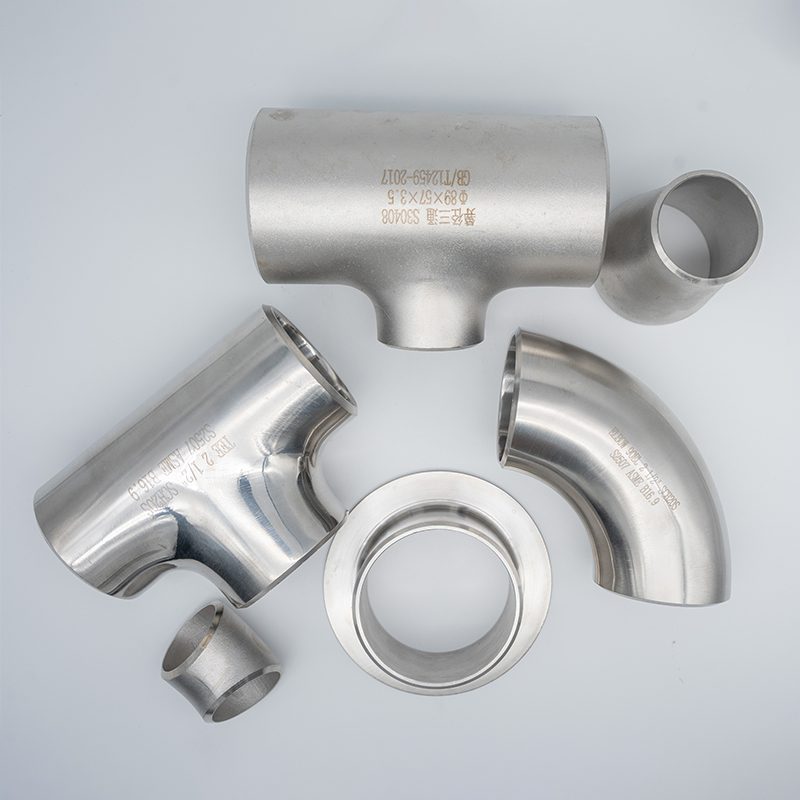
Butt weld pipe fittings are widely used in industrial piping systems because they provide strong, permanent connections and reliable sealing performance. They are commonly found in oil and gas pipelines, chemical processing plants, power generation facilities, and other applications where pipeline integrity is essential.
However, welding defects can affect the strength, durability, and reliability of butt weld fittings. Problems such as incomplete penetration, porosity, cracks, and undercut may weaken welded joints and increase the risk of leakage or premature failure.
Understanding common butt weld fitting welding defects and their causes helps manufacturers, welders, engineers, and quality inspectors improve production quality. Proper welding procedures, skilled operators, suitable materials, and effective inspection methods are essential for preventing these problems.
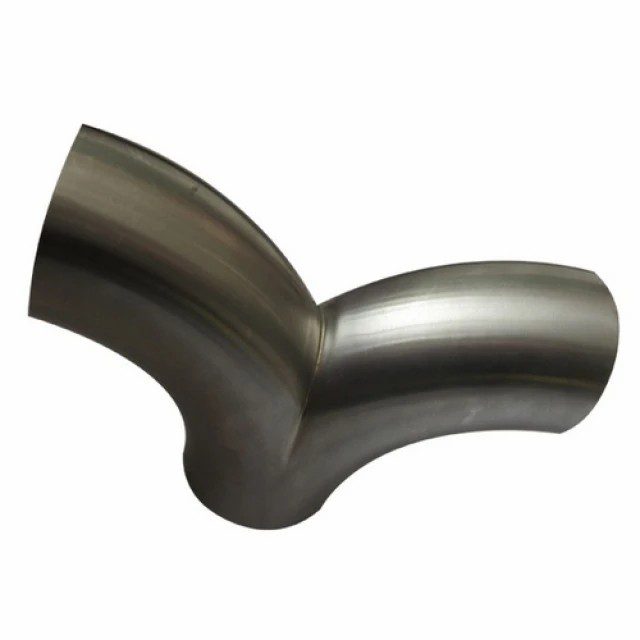
Incomplete penetration occurs when the weld metal does not fully extend through the joint root. This defect leaves part of the joint unfused and reduces the effective cross-sectional area of the weld.
It is often caused by insufficient welding current, incorrect groove preparation, improper root gap, or excessive welding speed. In some cases, poor electrode positioning can also prevent adequate penetration.
How to Prevent It:
Manufacturers should ensure that pipe ends are properly prepared before welding. Correct groove angles, root gaps, and alignment help create suitable welding conditions. Welders should also follow qualified welding procedures and maintain appropriate current, voltage, and travel speed throughout the process.
Porosity refers to small cavities or gas pockets trapped inside or on the surface of a weld. These defects usually form when gases become trapped in the molten weld metal during solidification.
Common causes include moisture, oil, grease, rust, and other contaminants on the base material or welding consumables. Inadequate shielding gas coverage can also contribute to porosity, particularly during gas-shielded welding processes.
How to Prevent It:
Before welding, all joint surfaces should be thoroughly cleaned to remove moisture, oil, rust, and dirt. Welding electrodes and filler materials should be stored under appropriate conditions. For gas-shielded welding, operators should check gas flow rates and ensure that shielding coverage is not interrupted.
Welding cracks are among the most serious defects in butt weld fittings because they can significantly reduce joint strength and lead to structural failure.
Cracks may develop during welding or after the weld has cooled. Common types include hot cracks, cold cracks, and crater cracks. Potential causes include excessive residual stress, unsuitable welding materials, rapid cooling, improper welding sequences, and insufficient preheating where required.
How to Prevent It:
Selecting compatible filler materials and following qualified welding procedures are important prevention measures. Depending on the material and applicable welding procedure, preheating and controlled cooling may be necessary. Welders should also avoid abruptly stopping the welding arc without properly filling the weld crater.
Undercut is a groove formed along the weld toe or root that is not filled with weld metal. It reduces the thickness of the base material near the welded joint and may create stress concentration points.
This defect is commonly associated with excessive welding current, high travel speed, incorrect electrode angle, or poor welding technique.
How to Prevent It:
Welders should use appropriate welding parameters based on material thickness and joint design. Maintaining a consistent travel speed and correct electrode angle helps control weld pool formation. Proper inspection during and after welding can also identify undercut before the fitting proceeds to the next production stage.
Lack of fusion occurs when the weld metal fails to properly bond with the base metal or a previously deposited weld layer. This can happen along the sidewalls, between weld passes, or at the joint root.
Typical causes include insufficient heat input, poor joint preparation, excessive welding speed, and the presence of slag or surface contaminants between welding passes.
How to Prevent It:
Proper surface preparation and interpass cleaning are essential. Welders should select suitable heat input and welding techniques to ensure adequate fusion with the base material. For multi-pass welding, each layer should be inspected and cleaned before the next pass is deposited.
Slag inclusion occurs when non-metallic materials become trapped inside the weld metal. These inclusions may interrupt the continuity of the welded joint and reduce its mechanical performance.
They are commonly associated with insufficient cleaning between welding passes, improper electrode manipulation, incorrect welding parameters, and unsuitable joint preparation.
How to Prevent It:
Welders should remove slag and other residues after each pass when using processes that generate slag. Proper groove preparation and suitable electrode angles also help prevent non-metallic materials from becoming trapped inside the weld. Visual inspection between passes is an effective way to reduce this risk.
Excessive weld reinforcement occurs when too much weld metal accumulates above the surface of the joint. Although reinforcement is necessary within specified limits, excessive buildup may create an uneven profile and affect the performance of the welded connection.
This problem can result from excessive filler material, low travel speed, incorrect welding parameters, or inconsistent welding techniques.
How to Prevent It:
Manufacturers should control filler metal deposition and maintain consistent welding speed. Welders must follow the specified weld profile requirements and avoid depositing unnecessary weld metal. Dimensional inspection and weld profile checks help ensure that the finished joint meets applicable specifications.
Preventing welding defects requires more than correcting individual welding problems. Manufacturers need a systematic quality management process that covers material preparation, welding operations, and final inspection.
Several practices can help improve overall welding quality:
Material Preparation: Clean and inspect base materials before welding to remove rust, oil, moisture, and other contaminants.
Qualified Welding Procedures: Establish and follow qualified Welding Procedure Specifications (WPS) to maintain consistent welding conditions.
Skilled Welding Operators: Ensure welders have appropriate qualifications and practical experience with the relevant materials and welding processes.
Equipment Maintenance: Regularly inspect welding machines, cables, gas supply systems, and other equipment to maintain stable operating conditions.
Process Monitoring: Monitor welding current, voltage, travel speed, heat input, and interpass temperature where applicable.
Quality Inspection: Use suitable inspection methods to identify surface and internal defects before products are delivered.
Inspection is an important part of butt weld fitting quality control. Different inspection methods are used depending on the fitting material, weld design, applicable standards, and service requirements.
Visual Testing (VT)
Visual testing is used to identify visible defects such as surface cracks, undercut, excessive reinforcement, and irregular weld profiles. It is commonly performed during production and final inspection.
Dye Penetrant Testing (PT)
Dye penetrant testing helps identify surface-breaking defects in non-porous materials. It is particularly useful for detecting fine surface cracks that may not be visible during ordinary visual inspection.
Radiographic Testing (RT)
Radiographic testing uses X-rays or gamma rays to examine internal weld conditions. It can help identify defects such as porosity, slag inclusions, and certain types of incomplete penetration.
Ultrasonic Testing (UT)
Ultrasonic testing uses high-frequency sound waves to detect internal discontinuities. It is useful for examining weld integrity without damaging the fitting.
The appropriate inspection method should be selected according to project specifications and relevant industry standards. Not every weld requires every inspection method.
Common butt weld fitting welding defects, including incomplete penetration, porosity, cracks, undercut, lack of fusion, and slag inclusion, can affect pipeline safety and long-term performance. Most of these problems can be reduced through proper material preparation, controlled welding parameters, qualified operators, and systematic quality inspection.
For manufacturers and industrial buyers, welding quality should be an important consideration when evaluating butt weld pipe fittings. Choosing a reliable manufacturer with established welding procedures, experienced technicians, and effective inspection processes helps ensure consistent product quality and dependable performance in demanding industrial piping applications.
1. What are the most common welding defects in butt weld pipe fittings?
Common defects include incomplete penetration, porosity, welding cracks, undercut, lack of fusion, slag inclusion, and excessive weld reinforcement. These defects can affect joint strength and pipeline reliability.
2. What causes porosity in butt weld fittings?
Porosity is usually caused by moisture, oil, rust, or other contaminants on welding surfaces. Inadequate shielding gas coverage and improperly stored welding consumables can also contribute to this problem.
3. How can welding cracks in butt weld fittings be prevented?
Welding cracks can be prevented by selecting compatible filler materials, controlling heat input, following qualified welding procedures, and applying appropriate preheating and cooling methods when required.
4. What is the difference between incomplete penetration and lack of fusion?
Incomplete penetration occurs when weld metal does not fully reach the joint root. Lack of fusion happens when weld metal fails to bond properly with the base material or previously deposited weld layers.
5. How do manufacturers inspect butt weld fitting quality?
Common inspection methods include visual testing (VT), dye penetrant testing (PT), radiographic testing (RT), and ultrasonic testing (UT). The appropriate method depends on project specifications and applicable standards.

STAINLESS STEEL&GENCEL;
Privacy Policy | SiteMap
Copyright GENCEL STAINLESS STEEL CO.,LIMITED
 Optimized by Seraphinite Accelerator