- Whatsapp: 8613738300923
- Email: [email protected]


Selecting the correct pressure rating for a Y type tee is essential for maintaining pipeline safety, preventing leakage, and ensuring reliable fluid distribution. As a pipe fitting used to connect or divide flow between three pipeline branches, a Y type tee must withstand the operating pressure and temperature of the system without compromising its structural integrity.
Choosing a fitting based only on its nominal size or material is not enough. Buyers and engineers also need to consider working pressure, temperature fluctuations, material properties, connection type, applicable standards, and the operating conditions of the entire piping system.
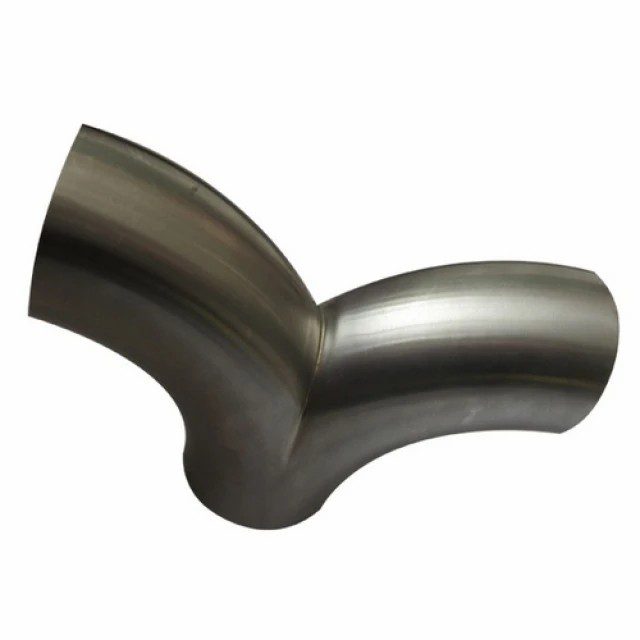
The pressure rating indicates the pressure that a pipe fitting is designed to withstand under specified operating conditions. It helps engineers determine whether a Y type tee is suitable for a particular pipeline application.
However, pressure rating does not always represent a single universal working-pressure value. Depending on the product design and applicable standard, it may be expressed through a pressure class, nominal pressure (PN), pressure-temperature rating, or a manufacturer-defined maximum allowable working pressure.
For example, PN10 and PN16 fittings belong to different nominal pressure classifications. A higher classification generally indicates a greater pressure capability within the relevant standard, but it does not automatically mean that every fitting with the same designation has identical performance.
Before selecting a Y type tee, confirm what the stated pressure rating represents and which standard or testing basis supports it.
The first step in selecting the right pressure rating is understanding the pipeline’s operating conditions.
Engineers should identify the normal working pressure, maximum operating pressure, and possible pressure fluctuations during startup, shutdown, or changes in flow conditions.
Several pressure-related factors deserve attention:
Normal operating pressure: The pressure maintained during routine system operation.
Maximum operating pressure: The highest pressure expected under normal or reasonably foreseeable operating conditions.
Pressure surges: Temporary increases caused by rapid valve closure, pump startup, or sudden flow changes.
Design pressure: The pressure used as a basis for designing the piping system.
The selected Y type tee must be suitable for the system’s design conditions, not merely its average operating pressure. If pressure surges are expected, they should be evaluated as part of the pipeline design.
Material selection directly affects the pressure-bearing capability, corrosion resistance, and service life of a Y type tee.
Different materials have different mechanical properties, temperature limits, and compatibility with process media. Common options include stainless steel, carbon steel, and other alloys.
Stainless Steel Y Type Tee
Stainless steel Y type tees are commonly used in food processing, pharmaceutical production, chemical processing, and other industrial piping systems. Grades such as 304 and 316 are selected according to corrosion resistance and application requirements.
The actual pressure capability depends on factors such as wall thickness, fitting dimensions, manufacturing method, and operating temperature.
Carbon Steel Y Type Tee
Carbon steel fittings are widely used in industrial pipelines, water systems, and applications where mechanical strength and cost considerations are important. Their suitability depends on the grade, design specifications, corrosion protection, and service environment.
Alloy Steel Y Type Tee
Alloy steel may be selected for applications involving demanding temperature, pressure, or mechanical conditions. The specific alloy composition and applicable product standard must be checked before use.
Important: Material grade alone does not determine the pressure rating. The fitting’s dimensions, wall thickness, construction, manufacturing quality, and applicable pressure-temperature limits must also be considered.
Pressure and temperature are closely related when evaluating the suitability of a Y type tee.
As operating temperature increases, the allowable stress of many metallic materials decreases. This can reduce the maximum allowable working pressure of a fitting, even when its nominal pressure classification remains unchanged.
For example, a Y type tee suitable for a particular pressure at room temperature may not be suitable for the same pressure at elevated temperatures.
When selecting a fitting, consider:
Minimum and maximum operating temperatures.
Temperature changes during startup and shutdown.
Thermal expansion and contraction.
The pressure-temperature limits specified by the relevant standard.
The temperature resistance of seals, gaskets, and connection components, where applicable.
For systems with significant temperature fluctuations, engineers should evaluate both pressure and temperature together rather than treating them as independent factors.
The dimensions and structural design of a Y type tee also influence its pressure-bearing performance.
A fitting with a larger nominal diameter does not necessarily have a higher pressure rating. Its ability to withstand internal pressure depends on the relationship between diameter, wall thickness, material properties, geometry, and manufacturing quality.
Before ordering, confirm the following specifications:
Nominal Pipe Size: Ensure that the main run and branch dimensions match the connected pipeline.
Wall Thickness: Check that the wall thickness is suitable for the required pressure and applicable piping design standard.
Connection Type: Confirm whether the Y type tee uses welded, threaded, flanged, clamped, or another connection method.
Branch Angle and Geometry: Verify that the fitting design meets the pipeline layout and flow requirements.
The connection is particularly important because the complete assembly must remain pressure-tight. A correctly rated fitting can still leak or fail if the connected pipes, gaskets, bolts, or installation methods are unsuitable.
Industrial Y type tees may be manufactured according to different international or industry standards. These standards help define dimensions, materials, manufacturing requirements, inspection methods, and pressure-related criteria.
Depending on the application, buyers may need to review standards such as ASME B16.9 for factory-made wrought buttwelding fittings, ASME B16.5 for applicable flanged components, or relevant EN and material standards.
Not every Y type tee falls under the same standard. Sanitary fittings, for example, may follow different dimensional and connection requirements from general industrial butt-weld fittings.
When reviewing a supplier’s specifications, check:
Product standard and applicable pressure class or rating.
Material grade and material certificates, when required.
Nominal diameter and wall thickness.
Pressure-temperature limitations.
Inspection and testing documentation.
Traceability and quality-control requirements.
If a project specifies a particular standard, do not assume that a fitting manufactured to a different standard is interchangeable simply because its dimensions appear similar.
Different industries have different operating conditions, so the required pressure rating should be selected according to the actual application.
For example, a Y type tee used in a general water distribution system may have different requirements from one installed in a chemical processing line or industrial steam system.
In food and beverage processing, buyers should consider pressure requirements alongside hygiene, surface finish, cleanability, and material compatibility.
In chemical processing, corrosion resistance and compatibility with the process medium are particularly important. A fitting that can withstand the required pressure may still be unsuitable if the material reacts with the fluid.
In oil and gas or other demanding industrial applications, pressure fluctuations, temperature, mechanical loads, and project-specific standards may all affect the selection.
The correct choice should satisfy the complete operating conditions rather than relying on industry category alone.
Several mistakes can lead to premature wear, leakage, or pipeline failure.
Choosing a fitting based only on nominal pressure: A pressure designation must be interpreted according to its governing standard and temperature conditions.
Ignoring pressure surges: Selecting a fitting based only on normal working pressure may overlook temporary pressure increases.
Overlooking material compatibility: A high-pressure fitting is not automatically suitable for corrosive or aggressive media.
Ignoring connection limitations: The pressure capability of the complete pipeline connection may be lower than that of the Y type tee itself.
Assuming all suppliers use the same specifications: Different manufacturers may offer products with different materials, dimensions, manufacturing methods, and testing requirements.
To reduce these risks, provide suppliers with complete technical requirements instead of requesting a Y type tee based only on size and nominal pressure.
Clear technical information helps manufacturers recommend a suitable product and avoid specification misunderstandings.
Before requesting a quotation, buyers should prepare the following details:
Product dimensions: Main pipe size, branch size, and required branch angle.
Operating pressure: Normal pressure, maximum operating pressure, and design pressure.
Operating temperature: Minimum and maximum service temperatures.
Material requirements: Stainless steel grade, carbon steel grade, or other specified materials.
Connection type: Butt weld, threaded, flanged, clamp, or another connection.
Application and medium: Water, steam, oil, chemicals, food products, or other fluids.
Applicable standards: Required dimensional, material, and testing standards.
Documentation requirements: Material certificates, inspection reports, and pressure-test records where applicable.
Providing these details allows the manufacturer to evaluate the fitting more accurately and confirm whether the proposed product meets the project requirements.
Selecting the right pressure rating for a Y type tee requires more than comparing pressure classifications. Buyers and engineers need to evaluate operating pressure, pressure surges, material properties, temperature, dimensions, connection types, and applicable standards.
Most importantly, the pressure rating must be verified against the actual design conditions of the pipeline. The complete assembly, including connected pipes, joints, gaskets, and other components, must also meet the required operating limits.
By preparing accurate technical specifications and working with a qualified manufacturer, buyers can select a Y type tee that supports reliable pipeline operation, reduces leakage risks, and provides long-term performance in industrial applications.
1.What is the pressure rating of a Y type tee?
The pressure rating indicates the pressure a Y type tee is designed to withstand under specified operating conditions. It depends on factors such as material, wall thickness, dimensions, temperature, and applicable manufacturing standards.
2.How do I choose the correct pressure rating for a Y type tee?
First, determine the pipeline’s design pressure, maximum operating pressure, and potential pressure surges. Then consider operating temperature, material properties, connection type, and relevant standards to select a suitable fitting.
3.What is the difference between PN10 and PN16 Y type tees?
PN10 and PN16 represent different nominal pressure classifications under applicable standards. PN16 generally indicates a higher nominal pressure classification than PN10, but the actual allowable working pressure depends on the standard, material, and operating temperature.
4.Does material affect the pressure rating of a Y type tee?
Yes. Stainless steel, carbon steel, and alloy steel have different mechanical properties and temperature limitations. However, material grade alone does not determine pressure capacity. Wall thickness, fitting dimensions, manufacturing quality, and design standards also matter.
5.Can a Y type tee handle high-temperature applications?
Some Y type tees are suitable for high-temperature service, depending on their material, construction, and pressure-temperature rating. Always verify the manufacturer’s specifications and applicable standards before installation.

STAINLESS STEEL&GENCEL;
Privacy Policy | SiteMap
Copyright GENCEL STAINLESS STEEL CO.,LIMITED
 Optimized by Seraphinite Accelerator