- Whatsapp: 8613738300923
- Email: [email protected]


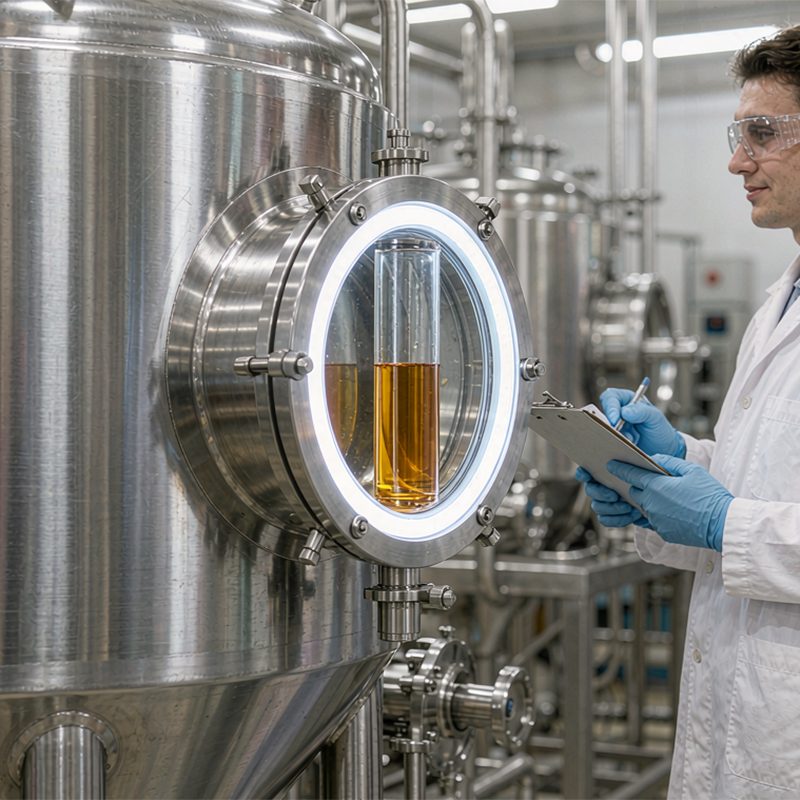
Hygiene, product safety, and operational efficiency are essential in the food and beverage industry. From dairy processing and beverage production to food packaging and liquid transfer, every stage requires reliable piping systems that prevent contamination and maintain consistent product quality. China sanitary pipe fittings play an important role in building these systems by providing secure, corrosion-resistant, and easy-to-clean connections.
Manufactured from stainless steel materials such as 304 and 316L, sanitary pipe fittings are designed to meet the demanding requirements of hygienic processing environments. Their smooth internal surfaces, reliable connections, and resistance to corrosion make them suitable for handling various food-grade liquids and processing materials.
Understanding their applications can help food and beverage manufacturers, equipment suppliers, and purchasing professionals select the right fittings for their production systems.
Dairy production involves the transportation and processing of milk, cream, yogurt, and other dairy products. Since these materials are sensitive to bacterial contamination, piping systems must maintain high hygiene standards throughout the production process.
Sanitary pipe fittings are commonly used to connect pipelines in milk collection, pasteurization, cooling, and filling systems. Stainless steel elbows, tees, reducers, and clamps help create flexible pipeline configurations while maintaining reliable connections.
316L stainless steel is particularly suitable for applications involving frequent cleaning and exposure to certain cleaning chemicals. Its corrosion resistance and hygienic surface characteristics help support long-term performance in dairy processing environments.
Beverage production requires efficient fluid transportation and reliable connections between different processing equipment. Products such as bottled water, fruit juice, soft drinks, beer, and other beverages often pass through multiple stages before packaging.
China sanitary pipe fittings are widely used in beverage production lines to connect storage tanks, filtration systems, mixing equipment, heat exchangers, and filling machines.
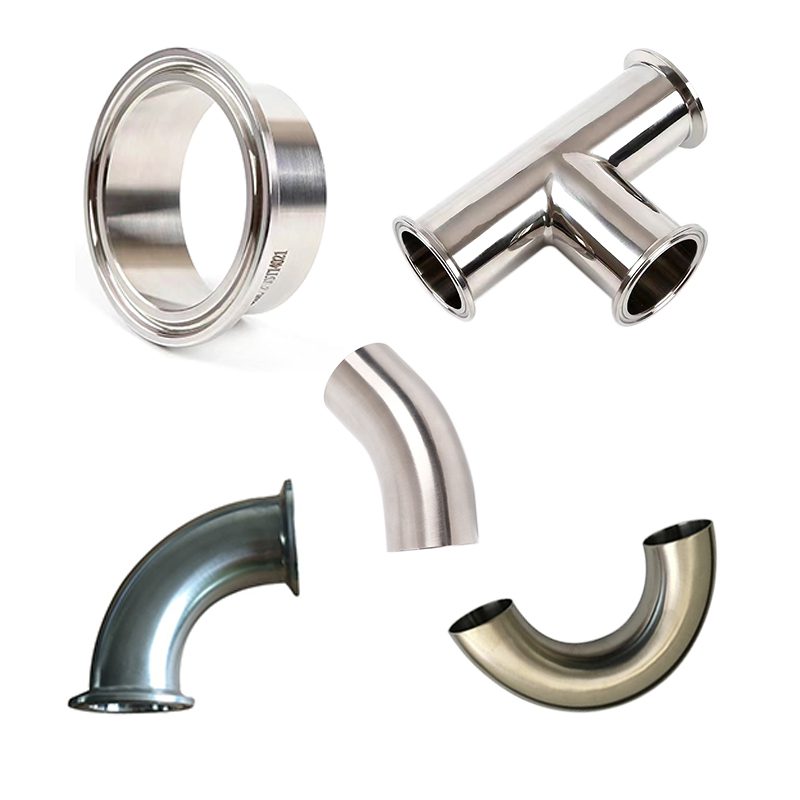
Common fittings include sanitary elbows for changing pipeline direction, tees for distributing liquids, reducers for connecting pipes of different diameters, and sanitary clamps for convenient equipment assembly and disassembly.
Their smooth internal surfaces help reduce material accumulation and make cleaning procedures more effective, supporting consistent beverage quality.
Food processing facilities handle a wide variety of materials, including sauces, oils, liquid seasonings, syrups, and other food ingredients. Different production processes require piping systems that can withstand varying temperatures, pressures, and cleaning conditions.
Sanitary pipe fittings are used to connect processing tanks, mixing machines, transfer pumps, filtration equipment, and automated production lines.
For example, sanitary tees allow ingredients to be distributed between different processing units, while reducers help connect pipelines with different diameters. Stainless steel fittings also provide mechanical reliability in production environments where equipment operates continuously.
Selecting appropriate materials and connection structures helps maintain hygienic conditions and reduces the risk of leakage during food processing.
Clean-in-Place (CIP) systems are widely used in food and beverage manufacturing to clean internal surfaces of tanks, pipes, and processing equipment without completely dismantling the production line.
Sanitary pipe fittings play an important role in connecting CIP supply lines, return pipelines, cleaning tanks, and processing equipment.
Their smooth surfaces and suitable connection designs help cleaning solutions circulate through the piping system. Properly selected fittings also reduce areas where product residues and microorganisms may accumulate.
For facilities with frequent cleaning cycles, material compatibility, surface finish, sealing performance, and resistance to cleaning chemicals should all be considered when selecting sanitary fittings.
Food packaging and filling operations require stable and hygienic material transfer to ensure that products remain uncontaminated before packaging.
Sanitary pipe fittings connect product storage tanks, transfer pipelines, dosing equipment, and automatic filling machines. They help maintain consistent fluid flow and provide reliable connections between different production units.
Quick-connect sanitary clamps are particularly useful in filling systems because they allow operators to assemble, inspect, and disassemble pipeline sections more conveniently.
For manufacturers handling different food products, easy maintenance and cleaning are important considerations when designing sanitary piping connections.
Different production processes require different fitting structures. Choosing the correct type helps improve pipeline efficiency and simplify equipment installation.
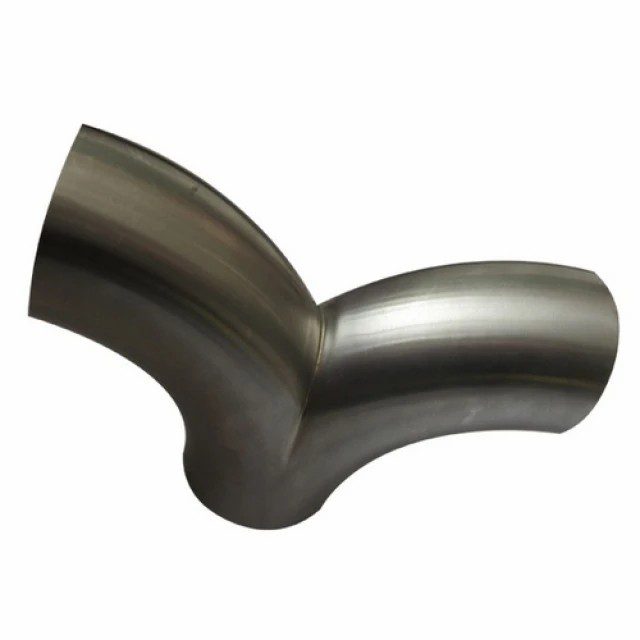
Sanitary Elbows: Used to change pipeline direction and adapt piping layouts to equipment requirements.
Sanitary Tees: Used to divide or combine liquid flow between multiple pipeline branches.
Sanitary Reducers: Connect pipelines with different diameters while maintaining suitable flow transitions.
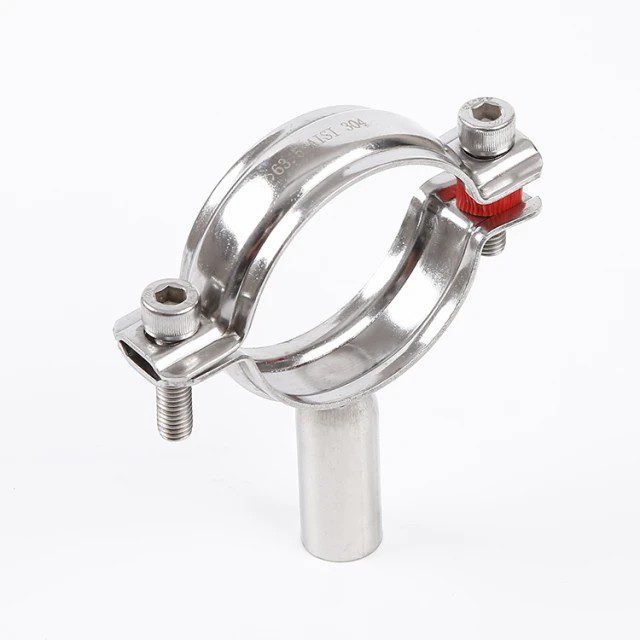
Sanitary Clamps: Provide detachable connections that simplify installation, inspection, and cleaning.
Sanitary Ferrules: Serve as connection components for clamp-style sanitary pipeline systems.
Sanitary Caps: Used to close pipeline ends and protect unused connections.
The selection of fittings should be based on pipeline dimensions, operating conditions, connection standards, and cleaning requirements.
Choosing a reliable supplier is essential for maintaining consistent product quality and stable production operations. Buyers should evaluate several important factors before placing an order.
Material Quality and Certification
Check whether the supplier offers suitable stainless steel materials, such as 304 and 316L. Material certificates and inspection records can help verify product specifications and traceability.
Manufacturing Precision
Dimensional accuracy, welding quality, surface finish, and connection consistency directly affect fitting installation and hygienic performance.
Product Range and Customization
A supplier with a comprehensive product range can provide elbows, tees, reducers, clamps, ferrules, and other fittings for different pipeline configurations. OEM and customized manufacturing capabilities are also valuable for specialized equipment projects.
Quality Inspection
Reliable manufacturers should have established quality control procedures covering raw materials, dimensions, surface conditions, and finished products.
Delivery and Technical Support
Stable production capacity, clear communication, and timely delivery help buyers maintain their supply chains and avoid unnecessary production delays.
China sanitary pipe fittings are essential components in food and beverage processing systems. From dairy production and beverage manufacturing to food processing, CIP cleaning, and filling operations, they provide reliable pipeline connections while supporting hygienic production requirements.
When selecting sanitary pipe fittings, manufacturers and buyers should consider material quality, surface finish, dimensional accuracy, connection type, and operating conditions. Working with an experienced China sanitary pipe fitting manufacturer can also help ensure consistent product quality, customized solutions, and dependable supply for long-term business cooperation.
1.What materials are commonly used for sanitary pipe fittings?
304 and 316L stainless steel are the most common materials. 304 stainless steel is suitable for many general food processing applications, while 316L offers better corrosion resistance in more demanding environments.
2.Why are stainless steel sanitary pipe fittings important for food processing?
They offer corrosion resistance, smooth internal surfaces, reliable connections, and easy cleaning, helping maintain hygienic conditions and reduce contamination risks.
3.What types of sanitary pipe fittings are commonly used in food production?
Common types include sanitary elbows, tees, reducers, clamps, ferrules, and caps. Each type serves different pipeline connection and flow control requirements.
4.What is the role of sanitary pipe fittings in CIP systems?
They connect cleaning supply lines, return pipelines, tanks, and processing equipment, allowing cleaning solutions to circulate through the system without completely dismantling the pipelines.
5.How do I choose the right sanitary pipe fitting manufacturer in China?
Consider material quality, manufacturing precision, surface finish, product specifications, quality inspection procedures, customization capabilities, and delivery reliability.

STAINLESS STEEL&GENCEL;
Privacy Policy | SiteMap
Copyright GENCEL STAINLESS STEEL CO.,LIMITED
 Optimized by Seraphinite Accelerator