- Whatsapp: 8613738300923
- Email: [email protected]


A manual diaphragm valve is widely used in industrial fluid handling systems where reliable shutoff, effective flow control, and reduced risk of fluid contamination are important. It is commonly found in water treatment, chemical processing, pharmaceutical manufacturing, food and beverage production, and other applications that require dependable valve performance.
Unlike conventional valves that use a plug, ball, or gate to control flow, a diaphragm valve uses a flexible diaphragm to regulate the passage of fluid. The diaphragm separates the process medium from the valve’s operating mechanism, helping protect internal components from direct contact with the fluid.
Understanding the main manual diaphragm valve components and their functions can help engineers, maintenance teams, and purchasing professionals select suitable valves, troubleshoot operational problems, and plan maintenance more effectively.
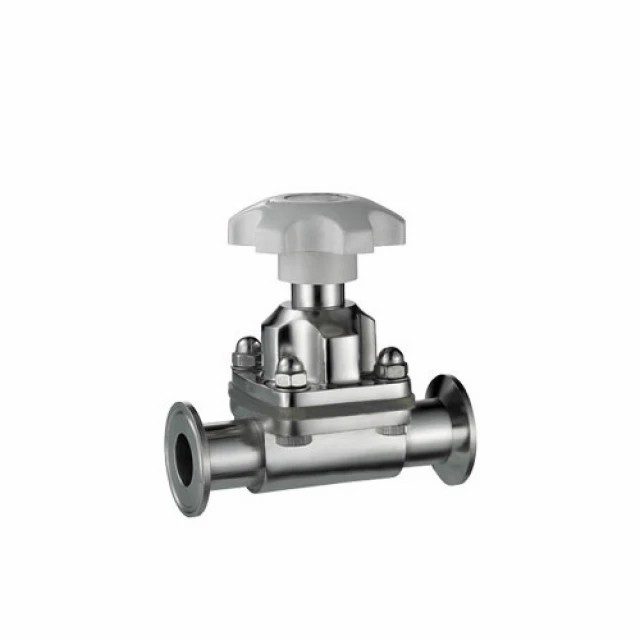
A manual diaphragm valve is a mechanically operated valve that uses a handwheel or similar manual actuator to move a flexible diaphragm. When the handwheel is turned, the operating mechanism moves the diaphragm toward or away from the valve’s internal sealing area, controlling or stopping fluid flow.
Depending on the design, the valve body may feature a weir or a straight-through flow path. The diaphragm material and body construction are selected according to the fluid, operating temperature, pressure, and required corrosion resistance.
Because the diaphragm isolates the process fluid from the stem and other operating components, manual diaphragm valves can be suitable for applications involving corrosive liquids, slurries, and hygienic processes when the valve design and materials are appropriate.
Although component configurations vary between manufacturers and valve designs, most manual diaphragm valves contain several essential parts.
The valve body is the main pressure-containing component of the valve. It provides the flow passage through which the process medium enters, passes through, and exits the valve.
Valve bodies may be manufactured from materials such as stainless steel, cast iron, ductile iron, or specialized corrosion-resistant materials, depending on the application. Stainless steel is commonly selected for sanitary and corrosion-resistant service, while other materials may be suitable for water treatment and general industrial applications.
The internal geometry of the body influences flow resistance, drainage, and the valve’s ability to handle specific fluids. When selecting a valve body, buyers should consider the medium’s chemical properties, operating pressure, temperature, and connection requirements.
The diaphragm is one of the most important components of a manual diaphragm valve. It is a flexible sealing element that moves to regulate fluid flow and separates the process medium from the operating mechanism.
When the valve is closed, the diaphragm presses against the sealing area inside the valve body to stop flow. When the valve opens, the diaphragm moves away from the sealing area, allowing fluid to pass through.
Common diaphragm materials include EPDM, PTFE, and other elastomers or engineered materials. Each material has different chemical compatibility, temperature limits, flexibility, and service-life characteristics.
For example, EPDM is used in many water and selected hygienic applications, while PTFE offers broad chemical resistance. However, the appropriate choice depends on the exact fluid, temperature, pressure, cleaning chemicals, and manufacturer specifications.
The compressor is the component that transfers movement from the operating mechanism to the diaphragm. It supports the diaphragm and distributes the applied force across the relevant sealing area.
When the handwheel is turned to close the valve, the stem moves the compressor toward the valve body, pressing the diaphragm into the sealing position. When the valve opens, the compressor moves in the opposite direction, allowing the diaphragm to lift away from the sealing area.
The compressor’s design affects how force is applied to the diaphragm and can influence sealing consistency and diaphragm durability.
The valve stem connects the handwheel mechanism to the compressor or diaphragm assembly. It transfers the mechanical movement generated by the operator into the movement required to open or close the valve.
In many manual diaphragm valves, the stem moves vertically as the handwheel rotates. This movement controls the diaphragm’s position and determines whether the valve is open, partially open, or closed.
The stem and its supporting components must withstand repeated operation without excessive wear or misalignment. Proper stem design helps maintain smooth operation and reliable valve positioning.
The handwheel is the external operating component that allows the user to control the valve manually. Turning the handwheel moves the stem through the valve’s operating mechanism.
The direction of rotation determines whether the valve opens or closes, depending on the manufacturer’s design. The handwheel’s size and shape affect operating convenience, particularly when the valve requires frequent adjustment or is installed in a restricted space.
For industrial applications, the handwheel should provide adequate grip and mechanical advantage without requiring excessive operating force. Operators should follow the manufacturer’s instructions and avoid applying excessive torque, which may damage the diaphragm or operating mechanism.
The bonnet is the upper housing that covers and supports the valve’s operating mechanism. It is typically mounted above the valve body and may enclose or guide the stem, compressor, and related components.
The bonnet helps protect the operating assembly from external damage and environmental exposure. Depending on the valve design, it may also provide structural support and maintain the alignment of moving components.
In sanitary applications, the diaphragm’s separation of the process fluid from the bonnet and operating mechanism is particularly important. The actual level of protection depends on the valve’s design and the integrity of the diaphragm.
The stem nut or equivalent operating mechanism converts the handwheel’s rotation into the linear movement needed to move the diaphragm.
As the handwheel turns, the threaded mechanism advances or retracts the stem. This controlled movement allows the operator to adjust the diaphragm position and regulate flow.
The exact arrangement varies by manufacturer. Some designs use different thread configurations or additional components to improve operating smoothness and reduce wear. Regular inspection helps identify excessive play, thread wear, or other issues that may make the valve difficult to operate.
The sealing surfaces are the areas where the diaphragm contacts the valve body or its designated sealing region to stop fluid flow.
The condition and geometry of these surfaces directly affect shutoff performance. Contamination, wear, chemical damage, or improper assembly may prevent the diaphragm from sealing correctly.
The diaphragm and sealing area must be compatible with the intended operating conditions. Operators should follow the manufacturer’s closing instructions rather than overtightening the handwheel in an attempt to compensate for leakage.
Depending on the design, a manual diaphragm valve may contain gaskets or auxiliary seals at body-to-bonnet joints and other connections. These components help prevent external leakage and maintain the integrity of the valve assembly.
Seal materials must be compatible with the operating environment, including temperature, pressure, and exposure to cleaning chemicals. Incorrect gasket selection or improper installation may result in leakage even when the diaphragm itself is in good condition.
Not every diaphragm valve uses the same gasket arrangement, so buyers should refer to the manufacturer’s sectional drawing and parts list when ordering replacement components.
The main components work together to provide controlled fluid flow through a simple mechanical process.
Opening the valve: The operator turns the handwheel in the opening direction. The operating mechanism retracts the stem and compressor, allowing the diaphragm to move away from the sealing area. Fluid can then flow through the valve body.
Closing the valve: The operator turns the handwheel in the closing direction. The stem moves the compressor toward the valve body, pressing the diaphragm against the sealing area and stopping the flow.
Adjusting the flow: In designs suitable for throttling, the operator can position the diaphragm between fully open and fully closed. However, the permitted throttling range depends on the valve design, fluid characteristics, and manufacturer’s recommendations.
This coordinated operation allows manual diaphragm valves to provide shutoff and, where appropriate, flow regulation without exposing the stem and operating mechanism directly to the process fluid.
Understanding component functions also makes troubleshooting easier. Several common operating problems can be linked to specific parts.
| Problem | Possible Component-Related Causes | Recommended Action |
| Internal leakage | Worn or damaged diaphragm, contaminated sealing area, incorrect assembly | Inspect the diaphragm and sealing area; clean and replace components as needed |
| External leakage | Damaged gasket, loose connection, incorrect assembly | Inspect joints and seals and follow the specified tightening procedure |
| Difficult handwheel operation | Worn stem threads, misalignment, damaged operating mechanism | Inspect the stem and operating assembly |
| Reduced flow | Diaphragm not opening fully, blockage, unsuitable valve size | Check valve position, flow passage, and sizing |
| Short diaphragm service life | Chemical incompatibility, excessive temperature, pressure or operating stress | Review process conditions and select a compatible diaphragm |
Troubleshooting should begin by identifying the operating conditions and inspecting the relevant components. Before disassembly, isolate the valve, depressurize the system, drain the process medium, and follow the appropriate safety procedures.
Choosing suitable components is essential for reliable performance and long service life.
Identify the process medium and evaluate its chemical composition, concentration, temperature, and potential effects on the valve body, diaphragm, and seals. Material compatibility should be confirmed using manufacturer data rather than relying on general material descriptions alone.
The valve body, diaphragm, and sealing components must operate within their specified pressure and temperature limits. These limits can vary according to the valve size, body material, diaphragm type, and construction.
Determine the required flow rate, pipe size, and whether the valve will primarily provide shutoff or flow regulation. Valve design and flow passage geometry should match the intended service.
Confirm the connection type, installation dimensions, replacement diaphragm availability, and access needed for maintenance. For hygienic processes, review the required surface finish, cleanability, applicable standards, and documentation.
A qualified valve manufacturer should be able to provide technical drawings, material specifications, operating limits, recommended spare parts, and installation guidance. These details help purchasing teams verify that the valve components match the intended application.
Manual diaphragm valve components work together to provide reliable fluid shutoff and controlled flow in a wide range of industrial applications. The valve body provides the flow passage, the diaphragm creates the primary process seal, and the stem, compressor, and handwheel form the mechanism that moves the diaphragm. The bonnet and auxiliary sealing components support and protect the assembly.
Understanding these functions helps engineers and buyers select appropriate materials, identify potential failure points, and plan effective maintenance. By considering fluid compatibility, operating conditions, sealing requirements, and manufacturer specifications, users can choose a manual diaphragm valve that meets the needs of their process system.
1. What are the main components of a manual diaphragm valve?
The main components typically include the valve body, diaphragm, compressor, valve stem, handwheel, bonnet, and operating mechanism. Depending on the design, the valve may also contain gaskets and auxiliary seals.
2. What is the function of the diaphragm in a manual diaphragm valve?
The diaphragm is the primary sealing component. It moves toward or away from the valve body’s sealing area to stop or allow fluid flow. It also separates the process medium from the stem and other operating components.
3. What materials are used for manual diaphragm valve diaphragms?
Common materials include EPDM, PTFE, and other elastomers or engineered materials. The appropriate material depends on chemical compatibility, operating temperature, pressure, and cleaning requirements.
4. What does the compressor do in a manual diaphragm valve?
The compressor transfers force from the stem to the diaphragm and helps distribute that force across the sealing area. Its movement allows the diaphragm to open or close the valve.
5. What is the function of the valve stem?
The valve stem transfers mechanical movement from the handwheel mechanism to the diaphragm assembly. As the handwheel rotates, the stem moves to control the diaphragm’s position.

STAINLESS STEEL&GENCEL;
Privacy Policy | SiteMap
Copyright GENCEL STAINLESS STEEL CO.,LIMITED
 Optimized by Seraphinite Accelerator