- Whatsapp: 8613738300923
- Email: [email protected]


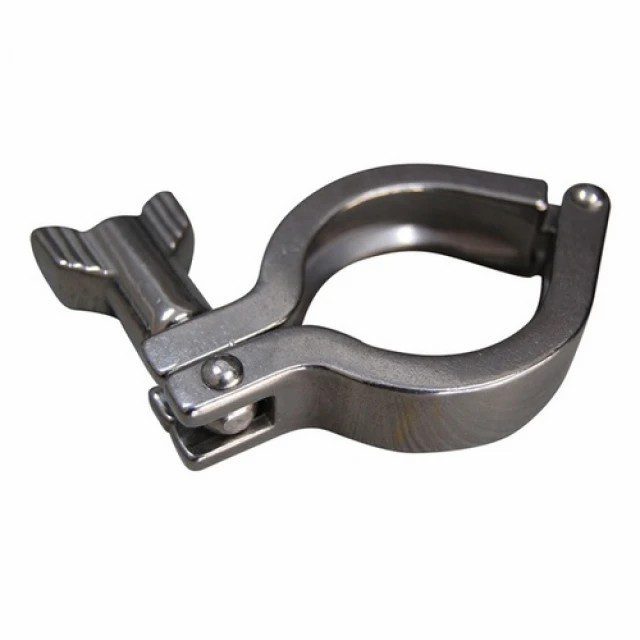
Single pin clamps are fastening components used in various piping systems, industrial equipment, and mechanical assemblies. Depending on their design, they can help secure compatible components, simplify installation, and support convenient disassembly for inspection or maintenance. Selecting the right type is important for achieving reliable connections and maintaining consistent performance.
However, single pin clamps are not all designed for the same purpose. Differences in clamp structure, material, fastening mechanism, dimensions, and connection compatibility can affect their suitability for different applications. Understanding these differences helps manufacturers, engineers, distributors, and purchasing teams select products that meet their operational requirements.
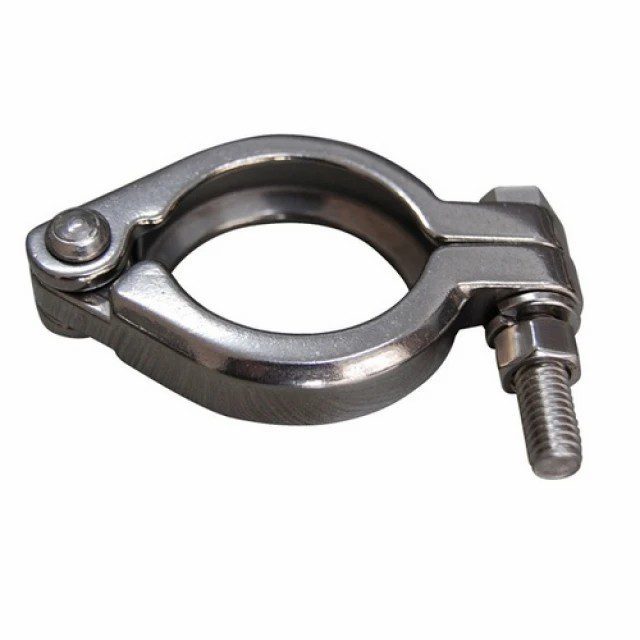
A single pin clamp is a fastening component that uses a pin-based mechanism as part of its connection or locking structure. Depending on the specific product design, the pin may help secure the clamp, retain connected components, or facilitate assembly and disassembly.
Single pin clamps may be manufactured from stainless steel or other metals, depending on the intended application. Stainless steel versions are often selected for environments where corrosion resistance, durability, and ease of cleaning are important.
It is important to note that the term single pin clamp does not refer to one universal design or dimensional standard. Different manufacturers may use the term for different fastening structures. Therefore, buyers should confirm the product drawing, pin configuration, connection type, and intended use before comparing products or placing an order.
Single pin clamps can be classified according to their fastening mechanism, structural design, and intended application. The following categories describe common design variations rather than a universal industry classification.
Standard single pin clamps are designed for applications that require a straightforward fastening structure and compatibility with specified components. Their suitability depends on the clamp geometry, pin arrangement, material, and intended mechanical load.
These clamps may be used in equipment assemblies, selected piping connections, and other applications where components need to be secured and periodically removed.
When choosing a standard design, verify the dimensions and connection specifications of the mating components. A simple fastening structure does not eliminate the need for correct sizing and proper installation.
Stainless steel single pin clamps are commonly considered for applications exposed to moisture, cleaning procedures, or corrosive environments. Their performance depends on the stainless steel grade, manufacturing quality, surface condition, and surrounding operating conditions.
Grade 304 stainless steel is suitable for many general-purpose applications. Grade 316 stainless steel generally provides better resistance to many chloride-containing environments, although the appropriate choice depends on chemical concentration, temperature, and exposure conditions.
These clamps may be used in food and beverage equipment, selected sanitary assemblies, and industrial environments where corrosion resistance is an important requirement. For hygienic applications, the clamp design and complete assembly must also meet the relevant cleaning and sanitary requirements.
Quick-release designs are intended to make installation and removal more convenient. Depending on the mechanism, a pin may be used to secure or release the fastening assembly without requiring extensive disassembly.
These designs can be useful in equipment that requires frequent inspection, routine maintenance, or component replacement. They may help reduce maintenance time when the clamp is correctly matched to the equipment.
Before selecting a quick-release clamp, check the locking mechanism, retention requirements, operating loads, and manufacturer’s installation instructions. Quick release should not be confused with automatic locking or suitability for every high-pressure application.
Heavy-duty single pin clamps are designed for applications with more demanding mechanical requirements than those handled by standard designs. Their construction may include a reinforced body, stronger fastening components, or other structural features appropriate to the intended load.
Potential applications include industrial equipment, machinery assemblies, and selected pipe or hose connection systems. The actual suitability of a clamp depends on its tested specifications rather than its appearance or the term heavy-duty alone.
When evaluating these products, review the manufacturer’s load ratings, material specifications, dimensional tolerances, and operating limitations. For pressurized systems, confirm the suitability of the complete connection assembly before installation.
The appropriate application for a single pin clamp depends on its design, material, and connection compatibility. Different industries may require different levels of corrosion resistance, ease of maintenance, and mechanical reliability.
Food and beverage production equipment often requires components that support hygienic operation, routine cleaning, and convenient maintenance. Suitable stainless steel clamps may be used in compatible equipment assemblies and selected piping connections.
For these applications, buyers should evaluate material compatibility, cleanability, surface condition, and the applicable sanitary requirements. If the clamp is used in a sanitary pipe connection, verify compatibility with the ferrules, gasket, and connection standard.
Not every single pin clamp is suitable for hygienic piping. The actual product design and documentation must support the intended use.
Pharmaceutical and biotechnology equipment may require carefully controlled materials, cleaning procedures, and connection designs. Clamps used in these environments must be compatible with the process conditions and the equipment’s hygiene requirements.
When selecting a clamp, consider cleaning and sanitization methods, exposure to process chemicals, material traceability, and any applicable regulatory or project specifications. Documentation may be required to verify material grade and manufacturing quality.
The clamp should be selected as part of the complete equipment assembly rather than evaluated in isolation.
Industrial machinery may use single pin clamps to secure compatible components that require periodic removal or adjustment. Depending on the design, these components may be exposed to vibration, repeated handling, or mechanical loads.
For these applications, dimensional accuracy, fastening reliability, resistance to wear, and ease of inspection are important considerations. Buyers should confirm the expected load and operating conditions with the manufacturer.
If the equipment experiences significant vibration or repeated mechanical stress, verify whether the selected locking mechanism provides adequate retention for the intended application.
Selected single pin clamp designs may be used in industrial piping or chemical-processing equipment where compatible connections and suitable materials are available.
Material selection is particularly important when components are exposed to aggressive process media or cleaning chemicals. Stainless steel grades differ in their resistance to particular chemicals, and stainless steel alone does not guarantee compatibility with every chemical environment.
Before purchasing, identify the process medium, operating temperature, pressure, and potential corrosion risks. Confirm that the clamp, connected components, and sealing elements are suitable for the complete operating environment.
Selecting the correct single pin clamp requires more than identifying the general product category. Buyers should evaluate the actual connection requirements and operating conditions before placing an order.
Start by identifying the exact clamp design and the components it must connect. Check the pin arrangement, fastening mechanism, clamp profile, and relevant connection specifications.
If replacing an existing product, use technical drawings or measured dimensions to confirm compatibility. Product names alone may not provide enough information to establish that two clamps are interchangeable.
Consider the operating environment, exposure to moisture or chemicals, cleaning requirements, and expected service life. Stainless steel may be appropriate for corrosion-resistant applications, but the correct grade should be determined by the actual exposure conditions.
For demanding environments, request material specifications and consult the manufacturer about corrosion resistance and maintenance requirements.
Consider the loads, vibration, frequency of assembly and disassembly, and other stresses the clamp may experience. Ensure that the selected design is suitable for these conditions and that the fastening mechanism provides the required retention.
For pressurized or safety-critical systems, verify the manufacturer’s ratings and applicable engineering requirements rather than assuming that a clamp’s size or material determines its performance.
A suitable clamp should be practical to install, inspect, and replace within the intended equipment design. Check whether the fastening mechanism is compatible with available access and maintenance procedures.
The manufacturer should provide clear instructions for assembly, inspection, and replacement where necessary. Avoid using damaged pins or deformed clamp bodies, and replace components that no longer meet the required specifications.
Single pin and double pin clamps differ in their pin configuration, but the number of pins alone does not determine overall strength, sealing performance, or suitability for a particular application.
| Comparison Factor | Single Pin Clamp | Double Pin Clamp |
| Pin configuration | Uses one pin in the specified fastening structure | Uses two pins in the specified fastening structure |
| Design complexity | Depends on the particular product design | Depends on the particular product design |
| Installation | Determined by the fastening mechanism and connection design | Determined by the fastening mechanism and connection design |
| Load capacity | Must be confirmed from manufacturer specifications | Must be confirmed from manufacturer specifications |
| Application suitability | Depends on the intended use and compatibility requirements | Depends on the intended use and compatibility requirements |
When comparing these designs, consider the manufacturer’s technical drawings, fastening method, dimensional compatibility, and specified operating conditions. A double pin design is not automatically stronger or more suitable than a single pin design.
Single pin clamps may experience problems such as loose fastening, corrosion, mechanical deformation, difficult installation, and premature wear. In sealed piping assemblies, leakage may also occur when the clamp or associated components are incompatible or improperly installed.
To reduce these risks, verify the dimensions before purchasing and inspect the clamp for damage before installation. Choose a suitable material, align the connected components correctly, and follow the manufacturer’s assembly instructions.
Regular maintenance should include checking for corrosion, bent pins, damaged fastening elements, excessive wear, and other signs of deterioration. Where the clamp is part of a sealed connection, inspect the gasket and mating surfaces as well.
If a clamp repeatedly loosens or becomes difficult to remove, investigate the underlying cause instead of applying excessive force. The product may be incorrectly sized, unsuitable for the operating conditions, or incompatible with the connected components.
Choosing a reliable manufacturer helps ensure that the clamp meets the required dimensions, material specifications, and performance expectations.
Before placing an order, review the manufacturer’s product range, manufacturing capabilities, quality inspection procedures, and technical documentation. For stainless steel products, ask about material verification and dimensional inspection records when these are required for your application.
For OEM projects, confirm whether the supplier can support custom dimensions, specific materials, product drawings, and bulk production. Providing accurate technical information helps the manufacturer evaluate the requirements and recommend a suitable design.
Purchasing teams should also consider lead times, minimum order quantities, product consistency, and communication throughout the ordering process. Reliable documentation and consistent manufacturing quality can help reduce procurement errors and replacement costs.
Different types of single pin clamps serve different fastening and connection requirements. Standard, stainless steel, quick-release, and heavy-duty designs may offer different features, but their suitability depends on the actual construction, materials, dimensions, and operating conditions.
For food processing, pharmaceutical equipment, industrial machinery, and other applications, selecting the right clamp begins with confirming the connection design and understanding the demands of the operating environment. Buyers should also evaluate corrosion resistance, mechanical requirements, installation procedures, and maintenance needs.
By verifying technical specifications and working with a qualified manufacturer, businesses can select a suitable single pin clamp, improve connection reliability, and reduce the risk of installation problems and premature component failure.
1. What is a single pin clamp used for?
A single pin clamp is a fastening component that uses a pin-based mechanism to secure compatible parts in certain piping systems, industrial equipment, and mechanical assemblies. Its specific function depends on the product design, connection type, and intended application.
2. What are the different types of single pin clamps?
Common design variations include standard single pin clamps, stainless steel single pin clamps, quick-release single pin clamps, and heavy-duty single pin clamps. These categories describe different design features and intended uses rather than a universal industry classification.
3. What materials are used to manufacture single pin clamps?
Single pin clamps may be manufactured from stainless steel or other metals, depending on the application. Stainless steel grades 304 and 316 are common options where corrosion resistance is important. The appropriate material depends on chemical exposure, operating conditions, mechanical requirements, and maintenance needs.
4. What is the difference between a single pin clamp and a double pin clamp?
The primary difference is the pin configuration within the fastening structure. However, the number of pins alone does not determine load capacity, durability, or connection reliability. Buyers should compare the actual product designs, technical specifications, and intended operating conditions.
5. How do I choose the right single pin clamp for my application?
Consider the connection type, dimensions, material, operating environment, mechanical loads, and installation requirements. Confirm compatibility with the connected components and review the manufacturer’s technical drawings and specifications before purchasing.

STAINLESS STEEL&GENCEL;
Privacy Policy | SiteMap
Copyright GENCEL STAINLESS STEEL CO.,LIMITED
 Optimized by Seraphinite Accelerator