- Whatsapp: 8613738300923
- Email: [email protected]


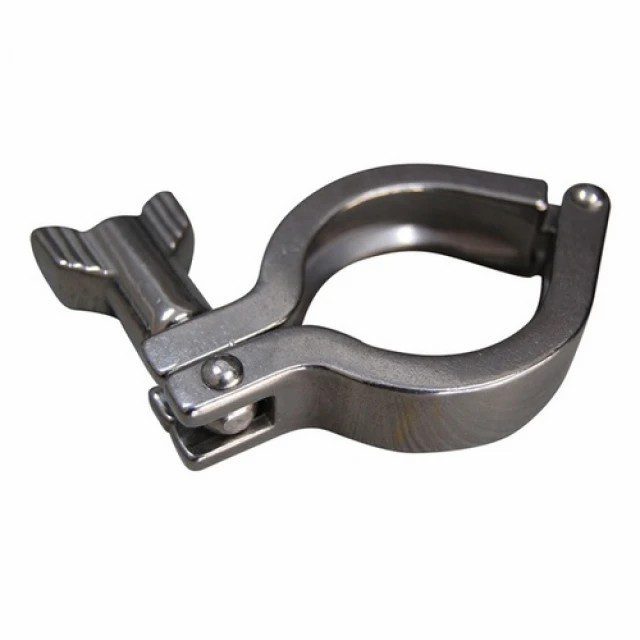
A double pin clamp is used in certain pipe connection and fastening systems to secure compatible components and support reliable assembly. Depending on its design, it may be used in sanitary piping, industrial equipment, or other applications that require removable connections. Proper selection, installation, and maintenance are essential for achieving consistent performance and extending service life.
However, double pin clamps can experience problems such as loose connections, corrosion, deformation, difficult installation, and premature wear. These issues may result from incorrect sizing, unsuitable materials, improper handling, or operating conditions that exceed the product’s design limits.
For manufacturers, engineers, distributors, and purchasing teams, understanding these common problems can help reduce maintenance costs and prevent unnecessary equipment downtime. This guide examines the major double pin clamp problems and explains practical ways to prevent them.
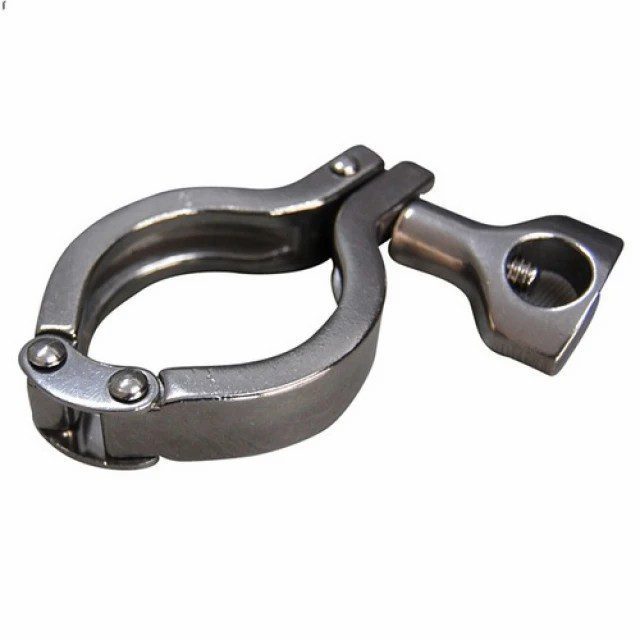
Loose connections are a common concern when a clamp is incorrectly installed, mismatched with the connected components, or subjected to repeated vibration. A clamp that does not fit properly may fail to maintain the intended connection, potentially causing movement, leakage in sealed assemblies, or premature wear.
To prevent this problem, verify that the clamp matches the dimensions and connection design of the components being joined. Inspect the pins, fastening elements, and contact surfaces before installation. Follow the manufacturer’s assembly instructions and confirm that the connection is secure without applying excessive force.
For equipment exposed to vibration or frequent movement, evaluate the operating conditions and determine whether additional retention measures or a different clamp design are required. Do not rely on excessive tightening to compensate for incompatible components.
Double pin clamps used in wet, humid, or chemically aggressive environments may develop corrosion if their material is unsuitable for the application. Corrosion can affect appearance, weaken components, interfere with pin movement, and shorten service life.
Stainless steel grades such as 304 and 316 are commonly used for industrial and sanitary components, but they do not provide identical corrosion resistance in every environment. Grade 316 generally offers better resistance to many chloride-containing environments than grade 304, although the actual performance depends on concentration, temperature, exposure time, and other conditions.
To reduce corrosion risks, select a suitable material based on the process medium, cleaning chemicals, and surrounding environment. Clean the clamp using compatible methods, remove process residues, and inspect surfaces regularly. Avoid unsuitable cleaning chemicals and practices that may damage the passive surface of stainless steel.
For applications involving strong chemicals, high chloride concentrations, or demanding cleaning procedures, consult the manufacturer or a materials specialist before selecting the clamp material.
Using an incorrectly sized double pin clamp can make installation difficult and compromise connection reliability. A clamp that is too large may not secure the components correctly, while one that is too small may not fit around the connection or may require excessive force during assembly.
Compatibility issues can also arise when clamps and connected components come from different product series or follow different dimensional standards.
The best prevention method is to confirm the exact connection specifications before purchasing. Check the relevant dimensions, pin arrangement, component profile, and applicable standard. For sanitary pipe connections, verify the ferrule dimensions and the compatibility of the complete assembly rather than relying only on nominal pipe size.
When ordering replacement parts or custom clamps, request technical drawings and compare them with the existing components. Providing the manufacturer with measured dimensions and application details can help prevent ordering errors.
Pins and clamp bodies may become bent or deformed if the clamp is forced into position, subjected to excessive loads, or used outside its intended operating conditions. Dropping the product, applying inappropriate tools, or repeatedly assembling misaligned components can also damage its structure.
Deformation may prevent the clamp from closing correctly or reduce its ability to maintain a secure connection. In some applications, damaged components may also create additional maintenance or safety concerns.
To prevent mechanical damage, inspect the clamp before installation and ensure that the connected components are properly aligned. Never force a clamp onto incompatible fittings or use tools in ways that exceed the manufacturer’s instructions.
If a pin is bent, a fastening element is damaged, or the clamp body is visibly deformed, replace the affected component instead of attempting an improvised repair. For demanding applications, select a clamp designed and rated for the expected mechanical loads.
A double pin clamp that is difficult to install or remove can increase maintenance time and create unnecessary wear. Common causes include incorrect sizing, misaligned components, contamination, corrosion, damaged pins, or a fastening mechanism that has not been maintained properly.
In systems requiring frequent inspection or cleaning, difficult removal can also interrupt production and increase labor costs.
To improve installation efficiency, confirm compatibility before assembly and follow the manufacturer’s recommended procedure. Keep the connection area clean, position the components correctly, and check that pins and fastening elements move as intended.
If the clamp repeatedly becomes difficult to remove, investigate the underlying cause rather than applying greater force. Corrosion, deformation, or an unsuitable design may require component replacement or a different clamp specification.
Leakage can occur when a double pin clamp is part of a sealed pipe connection and the complete assembly does not maintain an effective seal. Possible causes include damaged gaskets, incompatible ferrules, incorrect clamp dimensions, misalignment, or operating pressure and temperature beyond the assembly’s rated limits.
It is important to understand that the clamp itself does not necessarily provide the seal. In sanitary Tri-Clamp-type connections, for example, the gasket forms the sealing interface between the ferrules, while the clamp holds the components together.
To prevent leakage, inspect the sealing surfaces and gasket before assembly. Confirm that the gasket material is compatible with the process medium, cleaning agents, and operating temperature. Ensure that the clamp, gasket, and ferrules are designed to work together and follow the specified installation procedure.
If leakage occurs, depressurize and isolate the system according to established safety procedures before inspecting the connection. Replace damaged sealing components and verify that the complete assembly is suitable for the operating conditions. Do not attempt to stop a leak simply by overtightening the clamp.
Repeated assembly and disassembly can cause wear to pins, threads, locking mechanisms, and contact surfaces. Wear may be accelerated by poor alignment, contamination, inadequate maintenance, or excessive mechanical loading.
As these components deteriorate, the clamp may become harder to operate or may no longer secure the connection reliably.
Preventive maintenance should include checking for excessive play, damaged threads, worn contact surfaces, and abnormal movement. Clean the clamp according to the manufacturer’s recommendations and use only compatible lubricants when lubrication is permitted and appropriate for the application.
For food processing and pharmaceutical environments, any lubricant used near hygienic equipment must be evaluated for suitability and potential contamination risks. Replace worn components promptly and establish inspection intervals based on operating frequency and environmental conditions.
Not every double pin clamp is suitable for every application. A design intended for light-duty use may not withstand demanding mechanical loads, while a material selected for a mild environment may deteriorate under aggressive chemical exposure.
Choosing a clamp based only on purchase price or appearance can lead to recurring maintenance issues and premature replacement.
Before purchasing, identify the application, connection type, expected loads, environmental conditions, cleaning requirements, and service frequency. Confirm the manufacturer’s specifications for material, dimensions, operating limitations, and compatibility with connected components.
For OEM projects or specialized equipment, discuss the requirements with the manufacturer before finalizing the design. A suitable product should meet the actual operating requirements rather than simply resemble the existing component.
Even a correctly selected double pin clamp can deteriorate if it is not inspected and maintained appropriately. Residue buildup, corrosion, unnoticed deformation, and worn fastening elements can gradually affect performance.
A practical maintenance program should include visual inspections, cleaning, checking pin movement, and confirming that fastening components remain in good condition. The inspection frequency should reflect the application, environmental exposure, assembly cycles, and manufacturer’s recommendations.
During maintenance, record recurring problems and replace damaged parts with compatible components. If the same clamp repeatedly loosens, corrodes, or becomes difficult to remove, investigate whether the original material, design, or installation method is suitable for the application.
Preventing clamp failures begins with selecting the right product and maintaining it correctly. Before installation or replacement, review the following points:
Verify dimensions: Confirm the clamp size, pin configuration, and compatibility with connected components.
Select suitable materials: Consider corrosion exposure, process media, cleaning chemicals, and environmental conditions.
Inspect before installation: Check for bent pins, damaged threads, corrosion, and deformation.
Follow assembly instructions: Align components correctly and avoid excessive force or improper tightening.
Check sealing components: Where the clamp forms part of a sealed connection, inspect the gasket and mating surfaces.
Monitor operating conditions: Ensure that loads, pressure, temperature, and vibration remain within the specified limits.
Establish preventive maintenance: Clean, inspect, and replace worn components according to the manufacturer’s recommendations.
Work with a reliable supplier: Request technical drawings, material specifications, and product documentation when necessary.
Following these practices can help reduce installation errors, improve connection reliability, and extend the service life of double pin clamps.
Common double pin clamp problems include loose connections, corrosion, incorrect sizing, mechanical deformation, difficult installation, leakage in sealed assemblies, and premature wear. These issues often result from unsuitable product selection, component mismatch, improper installation, or insufficient maintenance.
The most effective prevention strategy is to match the clamp to the actual application, verify compatibility with connected components, follow the manufacturer’s installation instructions, and conduct regular inspections. Material selection and operating limits should also be considered to ensure dependable long-term performance.
For manufacturers, distributors, and industrial buyers, working with a qualified double pin clamp supplier can help ensure consistent dimensions, appropriate material selection, and access to the technical information needed for reliable installation and maintenance.
1. What is a double pin clamp used for?
A double pin clamp is a fastening component designed to secure compatible parts in certain piping systems, industrial equipment, and mechanical assemblies. Its specific function depends on the clamp design and connection type. Always confirm the product specifications before selecting it for a particular application.
2. What are the most common problems with double pin clamps?
Common problems include loose connections, corrosion, incorrect sizing, bent pins, mechanical deformation, difficult installation, and premature wear. In sealed piping assemblies, leakage may also occur because of incompatible components, damaged gaskets, or improper installation.
3. Why does a double pin clamp become loose?
A double pin clamp may become loose because of incorrect sizing, incompatible components, vibration, worn fastening elements, or improper installation. To prevent this problem, verify dimensional compatibility, inspect the pins and fastening components, and follow the manufacturer’s assembly instructions.
4. How can I prevent corrosion in stainless steel double pin clamps?
Choose a stainless steel grade suitable for the operating environment, clean the clamp using compatible methods, and remove accumulated residues. Grade 316 generally offers better resistance to many chloride-containing environments than grade 304, but material selection should account for chemical concentration, temperature, and exposure conditions.
5. How do I know if a double pin clamp needs replacement?
Replace a clamp if it has bent pins, significant deformation, damaged threads, severe corrosion, cracked components, or excessive wear that affects secure fastening. Do not continue using a damaged clamp in critical applications. Follow the manufacturer’s inspection and replacement recommendations.

STAINLESS STEEL&GENCEL;
Privacy Policy | SiteMap
Copyright GENCEL STAINLESS STEEL CO.,LIMITED
 Optimized by Seraphinite Accelerator