- Whatsapp: 8613738300923
- Email: [email protected]


Clamped U Type Tees are widely used in hygienic piping systems across industries such as food and beverage processing, dairy production, pharmaceuticals, biotechnology, and cosmetics manufacturing. Their sanitary design, smooth flow path, and easy-to-disassemble clamp connections make them a popular choice for applications that require frequent cleaning and maintenance.
However, even the highest-quality U Type Tee can experience performance issues if installed incorrectly. Improper installation can lead to leaks, contamination risks, reduced flow efficiency, premature component wear, and costly downtime.
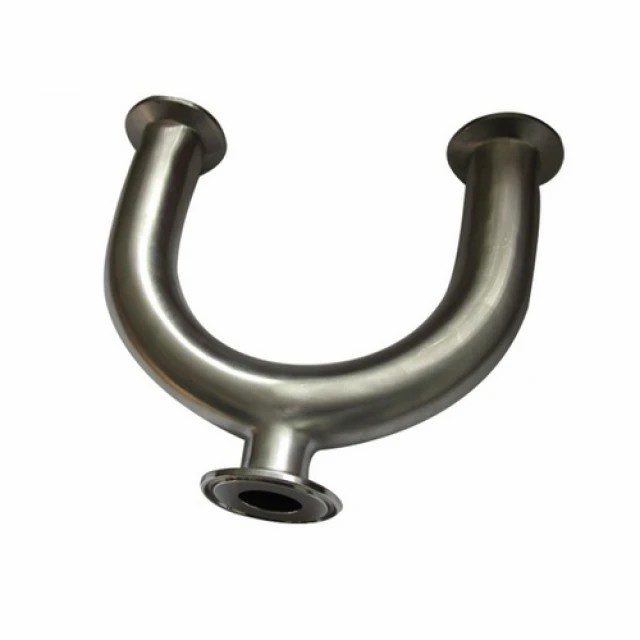
A Clamped U Type Tee is a sanitary pipe fitting featuring a U-shaped flow configuration and clamp-end connections. It is designed to:
Redirect process flow
Create branch connections
Improve fluid circulation
Support CIP (Clean-in-Place) operations
Reduce dead zones within hygienic piping systems
The fitting is commonly connected using:
Sanitary ferrules
Gaskets
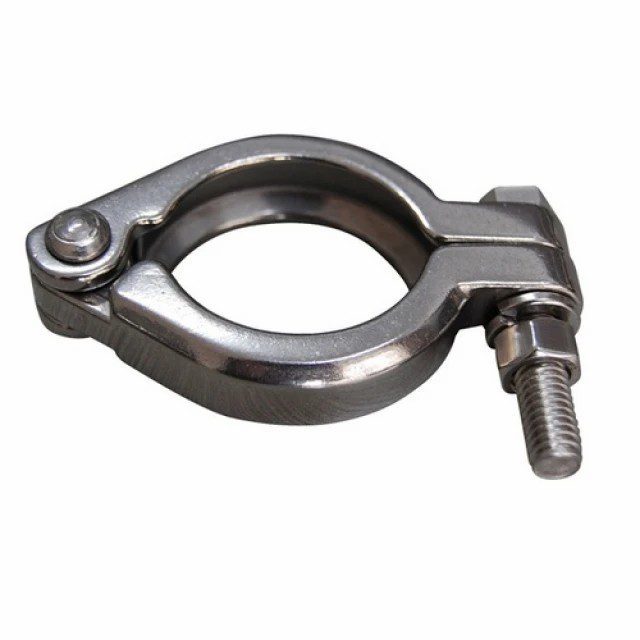
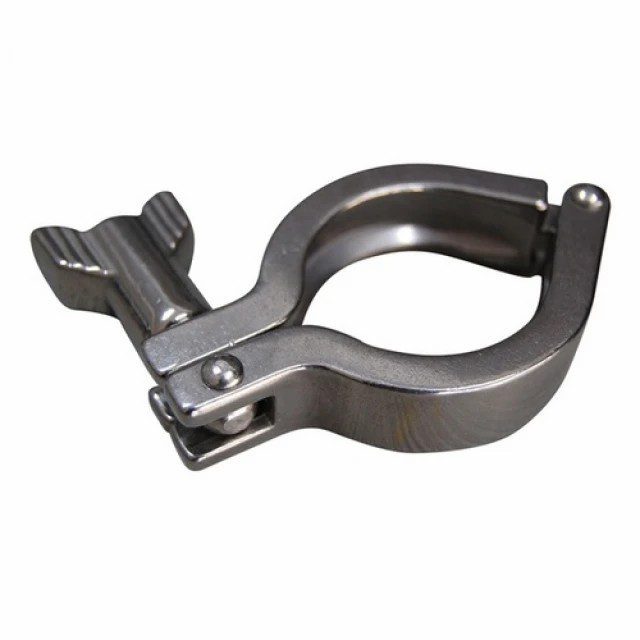
Tri-Clamp or sanitary clamps
Proper assembly of these components is critical for achieving a leak-free and hygienic connection.
Improper installation can result in:
Product contamination
Fluid leakage
Reduced cleaning effectiveness
Pressure losses
Increased maintenance costs
Shortened equipment lifespan
A few minutes spent ensuring proper installation can save significant time and money over the life of the system.
The Problem
Not all gasket materials are suitable for every process application.
Choosing the wrong gasket may lead to:
Swelling
Cracking
Chemical degradation
Seal failure
Common Causes
Ignoring:
Process temperature
Chemical compatibility
Cleaning agents
Operating pressure
How to Avoid It
Select gasket materials based on system requirements.
Common options include:
| Material | Typical Applications |
| EPDM | Food processing, water systems |
| Silicone | High-temperature applications |
| PTFE | Chemical processing |
| Viton® | Aggressive chemicals and oils |
Always verify compatibility with both process media and CIP chemicals.
The Problem
Misaligned ferrules prevent uniform gasket compression.
This often causes:
Leakage
Uneven sealing pressure
Premature gasket wear
Signs of Misalignment
Visible gaps
Uneven clamp tightening
Repeated sealing failures
How to Avoid It
Before tightening:
Ensure ferrule faces are fully aligned.
Confirm the gasket sits evenly between ferrules.
Hold components in position while installing the clamp.
Taking a few extra seconds during assembly can prevent recurring maintenance issues.
The Problem
Many installers assume tighter is always better.
In reality, excessive tightening can:
Damage gaskets
Distort ferrules
Reduce gasket lifespan
Create sealing problems
Consequences
Over-compression may cause the gasket to:
Extrude from the connection
Crack prematurely
Lose elasticity
How to Avoid It
Follow manufacturer tightening recommendations.
Tighten evenly until a secure seal is achieved.
Avoid applying excessive force.
Proper compression is more important than maximum compression.
The Problem
Insufficient clamp force prevents proper sealing.
This can result in:
Product leakage
Pressure loss
Contamination risks
How to Avoid It
After installation:
Verify clamp engagement.
Inspect gasket compression.
Conduct pressure testing before production starts.
Routine inspections help identify loose connections before problems occur.
The Problem
Even small particles trapped between sealing surfaces can compromise sanitary performance.
Common contaminants include:
Dust
Metal shavings
Product residue
Cleaning chemical deposits
Risks
Contamination can lead to:
Leaks
Microbial growth
Product quality issues
How to Avoid It
Always clean:
Ferrules
Gaskets
Clamps
U Type Tee surfaces
before assembly.
A clean connection is essential for hygienic processing systems.
The Problem
Scratches, dents, and corrosion on sealing surfaces can prevent proper sealing.
Damaged surfaces often become:
Leakage points
Bacteria harborage areas
Sources of contamination
How to Avoid It
Inspect components before installation.
Replace fittings showing:
Deep scratches
Pitting corrosion
Deformed ferrules
Mechanical damage
Using damaged components often leads to recurring maintenance issues.
The Problem
Clamped U Type Tees are often designed to optimize flow characteristics.
Installing the fitting in the wrong orientation may cause:
Increased turbulence
Product accumulation
Reduced CIP efficiency
Pressure losses
How to Avoid It
Review:
Process flow diagrams
Engineering drawings
Manufacturer recommendations
before installation.
Correct orientation ensures optimal fluid movement and cleanability.
The Problem
Sanitary fittings should not bear excessive piping loads.
Unsupported piping can place stress on:
Clamps
Ferrules
Gaskets
U Type Tee connections
Potential Issues
Leakage
Connection movement
Premature component failure
How to Avoid It
Install proper pipe supports to minimize:
Vibration
Mechanical stress
Thermal movement
A well-supported piping system improves long-term reliability.
The Problem
Temperature fluctuations cause metal piping to expand and contract.
Without adequate consideration, thermal movement can:
Distort connections
Loosen clamps
Stress sanitary fittings
How to Avoid It
Design the piping system with:
Expansion allowances
Flexible connections
Proper support spacing
This is especially important in high-temperature processing environments.
The Problem
Some installations move directly into production without proper testing.
Undetected issues can lead to:
Product loss
Contamination
Unexpected shutdowns
How to Avoid It
Always perform:
Pressure testing
Leak inspections
Visual verification
before commissioning the system.
Early detection is far less costly than emergency repairs.
To maximize performance and reliability:
Before Installation
Inspect all components.
Verify material compatibility.
Clean all sealing surfaces.
Confirm correct fitting size.
During Installation
Align ferrules properly.
Position the gasket correctly.
Tighten clamps evenly.
Verify flow orientation.
After Installation
Conduct leak testing.
Inspect clamp engagement.
Monitor system startup conditions.
Recheck connections after initial operation.
Properly installed Clamped U Type Tees provide:
Reliable leak-free performance
Improved sanitary conditions
Better CIP cleaning efficiency
Longer gasket life
Reduced maintenance requirements
Enhanced process reliability
These advantages contribute directly to lower operating costs and improved product quality.
Clamped U Type Tees are highly effective components in hygienic processing systems, but their performance depends heavily on proper installation. Mistakes such as improper gasket selection, ferrule misalignment, incorrect clamp tightening, poor pipe support, and inadequate cleaning can compromise both system reliability and sanitary performance.
By understanding these common installation errors and following best practices, operators can prevent costly downtime, improve process efficiency, and extend the service life of their sanitary piping systems.
A careful installation process is one of the simplest and most effective ways to ensure that Clamped U Type Tees deliver their full operational and hygienic benefits.
What is the most common installation mistake with Clamped U Type Tees?
Improper ferrule alignment and incorrect gasket installation are among the most common causes of leakage and sealing failures.
Can over-tightening a sanitary clamp cause problems?
Yes. Over-tightening can damage gaskets, deform ferrules, and shorten the lifespan of the connection.
Why is gasket material selection important?
Different gasket materials have varying resistance to temperature, chemicals, and cleaning agents. Using the wrong material can result in premature failure.
Should Clamped U Type Tees be pressure tested after installation?
Yes. Pressure testing helps identify leaks, alignment issues, and assembly problems before the system enters production.
How often should sanitary clamp connections be inspected?
Routine inspections should be performed during scheduled maintenance, after cleaning cycles, and whenever system modifications are made.
Can incorrect installation affect CIP cleaning performance?
Absolutely. Misaligned fittings, poor flow orientation, and damaged components can reduce cleaning effectiveness and increase contamination risks.


STAINLESS STEEL&GENCEL;
Privacy Policy | SiteMap
Copyright GENCEL STAINLESS STEEL CO.,LIMITED
 Optimized by Seraphinite Accelerator