- Whatsapp: 8613738300923
- Email: [email protected]


Hygienic process systems play a critical role in industries where cleanliness, product purity, and contamination prevention are top priorities. Sectors such as food and beverage, dairy processing, pharmaceuticals, biotechnology, and cosmetics rely on sanitary piping networks to safely transport liquids, gases, and process media.
Among the many components used in these systems, clamped tees are essential fittings that help distribute flow, connect equipment, and maintain sanitary conditions throughout the production process. Their simple design, ease of installation, and hygienic performance make them a preferred choice for modern process facilities.
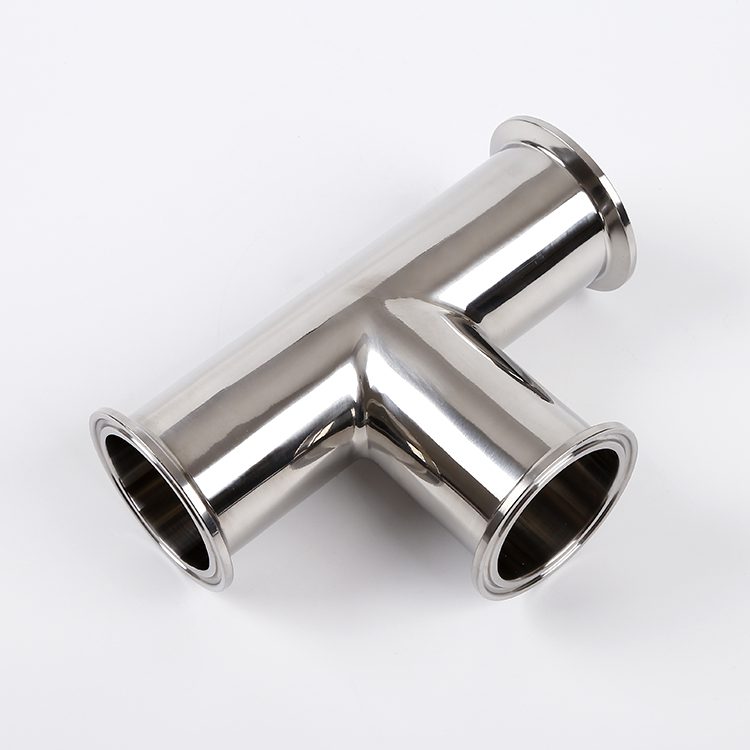
A clamped tee is a T-shaped sanitary pipe fitting that connects three sections of tubing or piping. It allows process media to split into multiple directions or combine from separate lines into one.
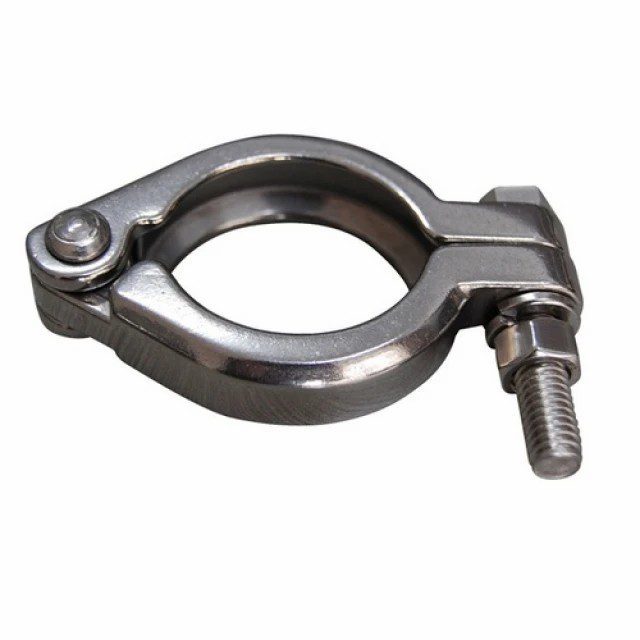
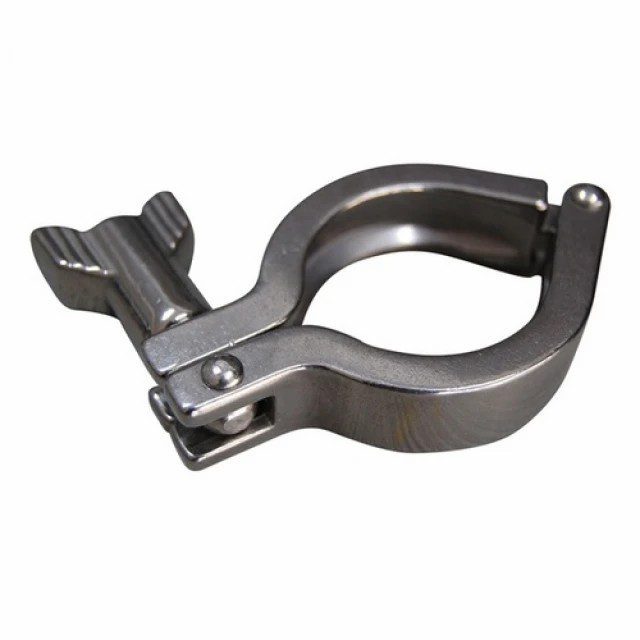
Unlike welded or threaded fittings, clamped tees use sanitary clamp connections, often referred to as Tri-Clamp or Tri-Clover connections. These connections consist of:
Ferrules
Gaskets
Clamps
The assembly creates a secure, leak-resistant seal while allowing quick disassembly when cleaning, inspection, or maintenance is required.
Equal Tee – All three openings have the same diameter.
Reducing Tee – One branch is smaller than the main line.
Y-Type Tee – Designed for smoother flow transitions.
Customized Tees – Manufactured for specialized process requirements.
In sanitary industries, even a small contamination issue can result in:
Product recalls
Regulatory violations
Production downtime
Financial losses
Damage to brand reputation
To prevent these risks, all piping components must be designed to:
Eliminate dead zones
Resist bacterial growth
Allow complete cleaning
Prevent product accumulation
Maintain smooth internal surfaces
Clamped tees are specifically engineered to meet these requirements.
One of the biggest advantages of clamped tees is their ability to support efficient cleaning procedures.
Quick Disassembly
The clamp connection can be removed within minutes without special tools. Operators can easily:
Inspect internal surfaces
Replace gaskets
Perform manual cleaning
Verify sanitary conditions
This significantly reduces maintenance time compared to welded systems.
CIP Compatibility
Most hygienic facilities use Clean-in-Place (CIP) systems to clean process equipment without disassembly.
Clamped tees feature:
Smooth internal surfaces
Minimal crevices
Consistent flow paths
These characteristics allow cleaning solutions to reach all internal areas effectively, improving sanitation performance.
Contamination prevention is a primary objective in hygienic processing.
Smooth Surface Finish
High-quality stainless steel clamped tees typically feature polished interiors that reduce:
Product residue buildup
Bacterial attachment
Biofilm formation
Crevice-Free Connections
Properly installed sanitary clamps and gaskets create tight, hygienic seals that prevent:
Product leakage
Microbial ingress
Cross-contamination
This helps maintain product purity throughout the production cycle.
Modern production facilities frequently modify or expand their processing lines.
Clamped tees provide exceptional flexibility because they can be:
Added quickly to existing systems
Reconfigured during plant upgrades
Relocated when production requirements change
Unlike welded connections, which often require cutting and re-fabrication, clamp fittings can be adjusted with minimal disruption.
This flexibility is especially valuable in:
Pilot plants
Pharmaceutical facilities
Multi-product processing lines
Research and development environments
Maintenance efficiency directly affects productivity.
Faster Repairs
If a section of piping requires replacement, operators can disconnect a clamped tee rapidly without welding or specialized equipment.
Lower Labor Costs
The simplified installation and removal process reduces:
Maintenance hours
Production interruptions
Equipment servicing expenses
As a result, facilities can achieve lower total operating costs over the life of the system.
Most sanitary clamped tees are manufactured from high-grade stainless steel, including:
304 Stainless Steel
316 Stainless Steel
316L Stainless Steel
These materials offer excellent resistance to:
Moisture
Cleaning chemicals
Acids
Food products
Pharmaceutical compounds
The superior corrosion resistance helps extend service life while maintaining hygienic integrity.
Hygienic industries are subject to strict regulations and quality standards.
Properly manufactured clamped tees can comply with standards such as:
3-A Sanitary Standards
FDA Requirements
ASME BPE
EHEDG Guidelines
ISO Hygienic Design Standards
Using compliant sanitary fittings helps manufacturers meet audit requirements and maintain product safety.
A clamped tee serves as a key junction within a process piping system.
It can be used to:
Split product flow into multiple lines
Combine ingredients from separate sources
Connect sensors and instrumentation
Direct cleaning solutions through CIP circuits
Integrate auxiliary equipment
This versatility improves overall system functionality while maintaining sanitary conditions.
Used for:
Milk transfer systems
Beverage production lines
Juice processing
Brewing equipment
Applied in:
Purified water systems
Bioprocessing equipment
Drug manufacturing lines
Sterile production environments
Ideal for:
Pasteurization systems
Fermentation equipment
Storage tank connections
Used to transport:
Lotions
Creams
Liquid ingredients
Cleaning solutions
When choosing a clamped tee, consider:
304 SS for general sanitary applications
316L SS for corrosive environments and pharmaceutical use
A smoother finish improves cleanability and reduces contamination risks.
Ensure the fitting matches:
Pipe diameter
Flow requirements
Pressure ratings
Verify compliance with applicable industry standards and customer specifications.
Clamped tees are far more than simple pipe fittings. They are essential components that help hygienic process systems maintain cleanliness, efficiency, flexibility, and regulatory compliance.
Their smooth sanitary design, easy maintenance, quick installation, and excellent corrosion resistance make them ideal for food, beverage, dairy, pharmaceutical, biotechnology, and cosmetic applications. By minimizing contamination risks and supporting efficient cleaning procedures, clamped tees contribute directly to product quality and operational reliability.
As hygienic manufacturing standards continue to evolve, clamped tees will remain a critical part of safe and efficient process piping systems.
What is a clamped tee used for?
A clamped tee is used to connect three sections of sanitary piping, allowing fluids or gases to be divided, combined, or redirected within a process system. It is commonly found in food, beverage, dairy, pharmaceutical, and biotechnology facilities.
Why are clamped tees preferred in hygienic applications?
Clamped tees feature smooth internal surfaces, sanitary clamp connections, and easy-to-clean designs that help prevent contamination, reduce product buildup, and support stringent hygiene requirements.
What materials are commonly used for sanitary clamped tees?
Most clamped tees are manufactured from:
304 Stainless Steel
316 Stainless Steel
316L Stainless Steel
316L stainless steel is particularly popular in pharmaceutical and highly corrosive environments due to its superior corrosion resistance.
What is the difference between an equal tee and a reducing tee?
An equal tee has three openings of the same size, while a reducing tee has one branch connection with a smaller diameter. Reducing tees are used when the flow needs to be diverted to a smaller pipeline.
Are clamped tees suitable for Clean-in-Place (CIP) systems?
Yes. Clamped tees are widely used in CIP systems because their sanitary design allows cleaning solutions to flow through the fitting efficiently, helping maintain hygienic conditions without extensive disassembly.


STAINLESS STEEL&GENCEL;
Privacy Policy | SiteMap
Copyright GENCEL STAINLESS STEEL CO.,LIMITED
 Optimized by Seraphinite Accelerator