- Whatsapp: 8613738300923
- Email: [email protected]


Clamped tee assemblies are widely used in sanitary and industrial piping systems because of their flexibility, ease of installation, and hygienic design. They are commonly found in food processing, dairy production, pharmaceutical manufacturing, biotechnology facilities, and beverage processing plants.
While clamped tees are generally reliable and easy to maintain, operational issues can occasionally occur due to improper installation, worn components, process conditions, or inadequate maintenance practices.
Understanding how to identify and resolve these problems quickly can help reduce downtime, prevent product contamination, and extend the lifespan of the piping system.
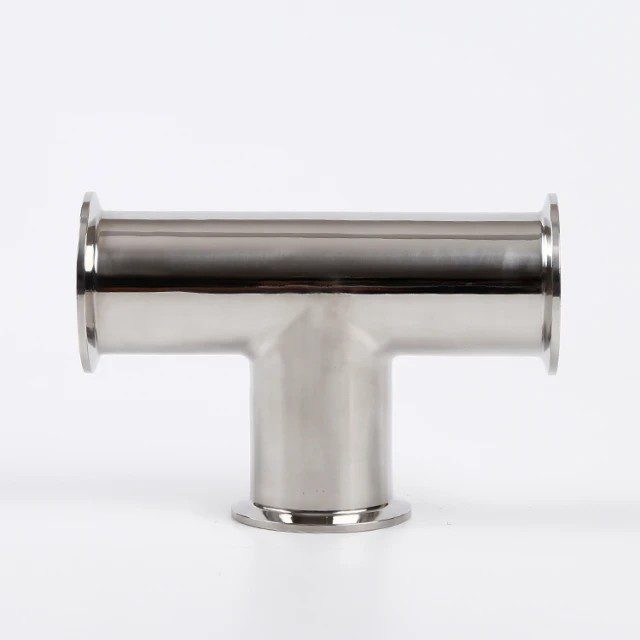
A typical clamped tee assembly consists of:
Stainless steel tee fitting
Ferrules
Sanitary gasket
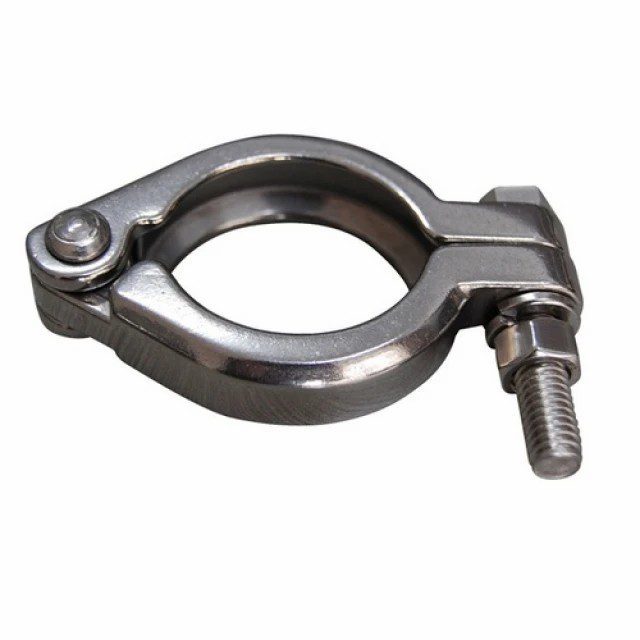
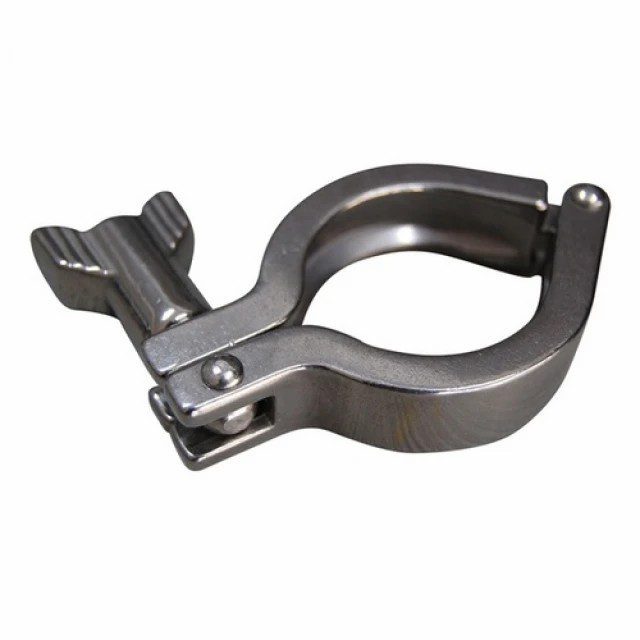
Clamp
Connecting tubing or piping
The assembly creates a hygienic, leak-resistant connection while allowing quick disassembly for inspection, cleaning, and maintenance.
Because multiple components work together to form the seal, problems can arise when any part becomes damaged, misaligned, or improperly installed.
Symptoms
Fluid dripping around the connection
Moisture accumulation near the clamp
Loss of system pressure
Product leakage during operation
Common Causes
Damaged Gasket
Over time, gaskets can experience:
Cracking
Compression set
Chemical degradation
Heat damage
Improper Alignment
If ferrules are not aligned correctly, the gasket may not seal evenly.
Loose Clamp
Insufficient clamp tension can prevent proper gasket compression.
Incorrect Gasket Selection
Using a gasket material incompatible with process temperatures or chemicals can lead to seal failure.
Solutions
Inspect and replace damaged gaskets.
Verify ferrule alignment before tightening.
Tighten the clamp according to manufacturer recommendations.
Select gasket materials suitable for the application.
Symptoms
Repeated gasket replacement
Persistent leakage
Visible gasket wear
Common Causes
Excessive Temperature
High temperatures can accelerate gasket deterioration.
Chemical Incompatibility
Aggressive cleaning chemicals may attack certain gasket materials.
Over-Tightening
Excessive clamp force can deform the gasket and shorten its service life.
Poor Quality Gaskets
Low-grade materials often fail prematurely.
Solutions
Upgrade to higher-performance gasket materials.
Verify chemical compatibility.
Follow recommended installation torque.
Source gaskets from reputable suppliers.
Symptoms
Connection leaks immediately after assembly
Uneven gasket compression
Persistent sealing issues despite new components
Common Causes
Damaged Ferrule Faces
Scratches, dents, or corrosion can prevent proper sealing.
Foreign Material on Sealing Surfaces
Residue, debris, or cleaning chemicals can interfere with gasket contact.
Incorrect Component Sizes
Mismatched ferrules, gaskets, or clamps may prevent proper assembly.
Solutions
Inspect ferrule sealing surfaces carefully.
Clean all components before assembly.
Verify compatibility of all connection components.
Replace damaged ferrules when necessary.
Symptoms
Rust discoloration
Surface pitting
Reduced surface finish quality
Material degradation
Common Causes
Harsh Process Chemicals
Certain acids or cleaning agents can damage lower-grade stainless steel.
Chloride Exposure
High chloride concentrations may contribute to pitting corrosion.
Improper Material Selection
Using 304 stainless steel in highly corrosive environments may shorten service life.
Solutions
Upgrade Material Grade
For aggressive applications, consider:
316 Stainless Steel
316L Stainless Steel
Improve Cleaning Procedures
Ensure proper rinsing after chemical cleaning cycles.
Inspect Regularly
Early detection helps prevent severe corrosion damage.
Symptoms
Visible buildup inside the tee
Difficult cleaning cycles
Contamination concerns
Reduced process efficiency
Common Causes
Inadequate Cleaning Flow
Poor CIP coverage may leave residue behind.
Dead Legs or Poor System Design
Improper installation can create areas where product accumulates.
Surface Damage
Scratches may trap product particles.
Solutions
Verify CIP system effectiveness.
Improve flow path design.
Replace heavily damaged fittings.
Schedule periodic inspections.
Symptoms
Connection movement
Vibration near the assembly
Intermittent leakage
Common Causes
Equipment Vibration
Pumps and processing equipment may generate continuous vibration.
Thermal Expansion
Repeated heating and cooling cycles can affect connection stability.
Improper Installation
Incorrect clamp positioning may reduce holding strength.
Solutions
Inspect clamp positioning.
Verify proper assembly procedures.
Conduct routine maintenance checks.
Use clamps designed for demanding operating conditions.
Symptoms
Reduced flow rates
Pressure drops
Uneven product distribution
Common Causes
Product Buildup
Residue accumulation can reduce internal diameter.
Incorrect Tee Size
An undersized tee may restrict flow.
Internal Damage
Dents or deformation can affect flow performance.
Solutions
Clean and inspect internal surfaces.
Confirm proper sizing during system design.
Replace damaged fittings when necessary.
Symptoms
Failed microbial tests
Product quality issues
Unexpected contamination events
Common Causes
Worn Gaskets
Damaged seals can harbor bacteria.
Inadequate Cleaning
Improper sanitation procedures may leave contaminants behind.
Surface Damage
Scratches and pits can create bacterial hiding places.
Solutions
Replace worn gaskets immediately.
Follow validated cleaning procedures.
Inspect surfaces routinely.
Maintain sanitary polishing standards.
The best way to avoid clamped tee problems is through proactive maintenance.
Regular Inspections
Check for:
Leaks
Corrosion
Gasket wear
Clamp damage
Surface defects
Scheduled Gasket Replacement
Replace gaskets before failure occurs, especially in critical applications.
Proper Cleaning Procedures
Ensure CIP systems provide adequate coverage and cleaning effectiveness.
Use High-Quality Components
Investing in premium sanitary fittings often reduces long-term maintenance costs.
Maintain Documentation
Track:
Inspection schedules
Component replacements
Cleaning records
Performance issues
These records can help identify recurring problems before they become serious.
Selecting quality components from the beginning can significantly reduce troubleshooting requirements.
Consider:
Material Grade
304 Stainless Steel for general sanitary service
316L Stainless Steel for pharmaceutical and corrosive applications
Surface Finish
Polished surfaces improve cleanability and reduce contamination risks.
Gasket Material
Common options include:
EPDM
Silicone
PTFE
Viton®
Choose based on process conditions and chemical compatibility.
Compliance Standards
Ensure components meet applicable requirements such as:
3-A Sanitary Standards
FDA regulations
ASME BPE
EHEDG guidelines
Clamped tee assemblies provide reliable and hygienic connections for a wide range of processing industries. However, issues such as leakage, gasket failure, corrosion, contamination, and flow restrictions can still occur if components are improperly selected, installed, or maintained.
By understanding the root causes of common problems and implementing effective troubleshooting procedures, facilities can improve system reliability, reduce downtime, and maintain the high sanitary standards required in modern process environments.
A proactive maintenance strategy, combined with high-quality materials and proper installation practices, remains the most effective way to ensure long-term performance from clamped tee assemblies.
Gaskets should be inspected during routine maintenance and replaced immediately if signs of wear, cracking, swelling, or deformation are observed.
Damaged or improperly installed gaskets are the most common causes of leakage, followed by misaligned ferrules and insufficient clamp tension.
Yes. Although stainless steel is highly corrosion-resistant, exposure to aggressive chemicals, chlorides, or improper cleaning practices can lead to corrosion over time.
Residue buildup can result from inadequate cleaning procedures, poor flow dynamics, dead-leg configurations, or damaged internal surfaces.
Regular inspections, proper gasket selection, correct installation practices, routine cleaning, and the use of high-quality sanitary components can significantly reduce maintenance problems.
For pharmaceutical, biotechnology, and highly corrosive environments, 316L stainless steel generally provides better corrosion resistance and longer service life than 304 stainless steel.


STAINLESS STEEL&GENCEL;
Privacy Policy | SiteMap
Copyright GENCEL STAINLESS STEEL CO.,LIMITED
 Optimized by Seraphinite Accelerator