- Whatsapp: 8613738300923
- Email: [email protected]


In modern sanitary and industrial piping systems, minimizing downtime is just as important as maintaining product quality and operational efficiency. Facilities in the food and beverage, dairy, pharmaceutical, biotechnology, and cosmetic industries must regularly perform maintenance, replace worn components, and upgrade equipment to meet changing production demands.
Traditional welded piping systems often make these tasks time-consuming and costly. In contrast, clamped tees provide a flexible, hygienic, and easy-to-maintain solution that simplifies both routine maintenance and system modifications.
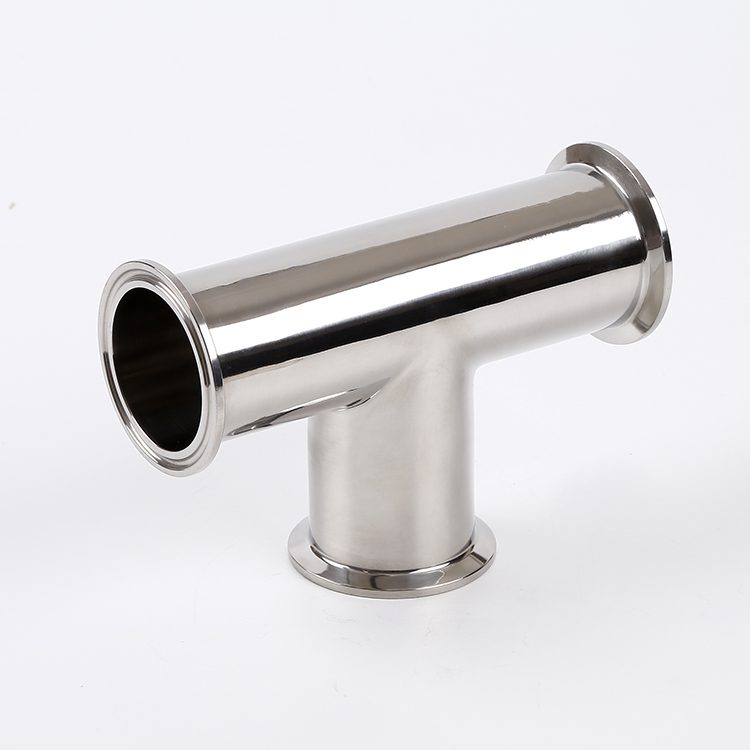
A clamped tee is a T-shaped sanitary fitting used to connect three sections of piping. It enables fluid flow to be divided, redirected, or combined within a process system.
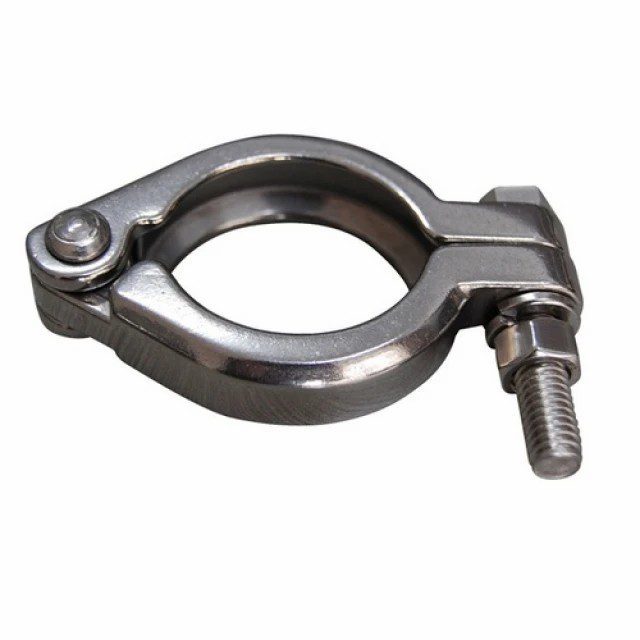
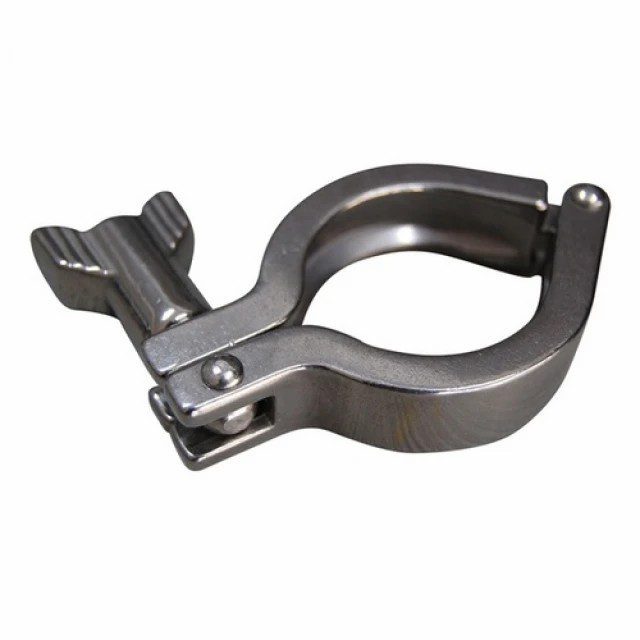
Unlike welded fittings, clamped tees utilize sanitary clamp connections that consist of:
Ferrules
Gaskets
Clamps
This design allows the fitting to be assembled and disassembled quickly without welding, making it ideal for facilities that require frequent cleaning, inspection, and system modifications.
Every production facility experiences maintenance activities such as:
Equipment inspections
Pipe cleaning
Gasket replacement
Valve servicing
Process line modifications
Equipment upgrades
The longer these tasks take, the greater the impact on:
Production schedules
Labor costs
Product output
Operational profitability
Clamped tees help streamline these procedures and reduce maintenance-related downtime.
One of the greatest advantages of clamped tees is their simple connection mechanism.
Easy Removal
Unlike welded joints that require cutting and re-welding, clamped tees can be disconnected by loosening the clamp and removing the fitting.
Benefits include:
Faster access to piping components
Reduced maintenance labor
Minimal disruption to production lines
No Specialized Welding Equipment Required
Maintenance personnel can remove and reinstall clamped tees without:
Welding machines
Grinding tools
Hot work permits
Specialized fabrication services
This significantly simplifies routine service procedures.
Regular inspections are essential for maintaining sanitary process systems.
Visual Inspection Made Easy
Because clamped tees can be quickly opened, technicians can easily inspect:
Internal pipe surfaces
Gasket conditions
Product residue buildup
Potential contamination points
Early detection of issues helps prevent larger operational problems.
Simplified Deep Cleaning
Although many facilities utilize Clean-in-Place (CIP) systems, certain applications still require periodic manual cleaning.
Clamped tees allow operators to:
Access internal surfaces directly
Remove accumulated residues
Verify sanitation effectiveness
Replace worn sealing components
This improves overall hygiene and product safety.
Gaskets are critical components in sanitary piping systems.
Over time, gaskets may experience:
Wear
Compression fatigue
Chemical degradation
Temperature-related damage
With clamped tee connections, gasket replacement is straightforward.
Simple Replacement Process
Remove the clamp.
Separate the ferrules.
Replace the gasket.
Reassemble the connection.
The entire procedure can often be completed within minutes, minimizing downtime and maintenance costs.
Production facilities frequently upgrade their systems to:
Increase capacity
Improve efficiency
Add automation
Install new processing equipment
Meet changing customer demands
Clamped tees make these upgrades significantly easier.
Easy System Expansion
Additional equipment can often be integrated by:
Removing an existing clamped tee
Installing a modified configuration
Reconnecting the system
No extensive pipe cutting or welding is required.
Flexible Process Design
Engineers can quickly adapt production layouts by adding:
Sensors
Sampling ports
Valves
Flow meters
Additional processing units
This flexibility supports future growth and operational improvements.
Downtime directly impacts profitability.
Every hour of lost production can result in:
Missed delivery deadlines
Reduced output
Increased operating costs
Because clamped tees allow rapid installation and removal, maintenance work can often be completed much faster than with permanent welded systems.
Advantages Include:
Shorter maintenance windows
Faster repairs
Quicker equipment changeovers
Improved production availability
For facilities operating around the clock, these benefits can generate significant cost savings.
Maintenance costs extend beyond replacement parts.
Facilities must also consider:
Labor expenses
Equipment rental
Production interruptions
Contractor fees
Clamped tees help reduce these costs by simplifying maintenance procedures.
Cost-Saving Benefits
Less labor-intensive servicing
Reduced welding requirements
Lower repair complexity
Faster troubleshooting
Reusable connections
Over the lifespan of a processing system, these savings can be substantial.
When process issues occur, rapid diagnosis is essential.
Common problems include:
Flow restrictions
Contamination concerns
Pressure fluctuations
Equipment failures
Clamped tees provide convenient access points for troubleshooting.
Technicians can quickly:
Open sections of the pipeline
Inspect process conditions
Verify cleanliness
Isolate problematic equipment
This reduces diagnostic time and accelerates corrective actions.
Modern manufacturing increasingly favors modular system design.
Modular systems offer:
Faster installation
Easier expansion
Greater flexibility
Simplified maintenance
Clamped tees align perfectly with this approach because they can be reconfigured and relocated without permanent modifications.
Industries that particularly benefit include:
Pharmaceutical manufacturing
Biotechnology facilities
Pilot plants
Research laboratories
Specialty food production
Food and Beverage Processing
Clamped tees help connect:
Mixing systems
Filling lines
CIP circuits
Storage tanks
Pharmaceutical Facilities
Used in:
Purified water systems
Sterile processing lines
Biopharmaceutical equipment
Dairy Plants
Applied in:
Milk transfer systems
Pasteurization equipment
Fermentation processes
Cosmetic Manufacturing
Support flexible production lines for:
Lotions
Creams
Liquid formulations
To maximize maintenance benefits, consider:
Material Selection
304 Stainless Steel for general sanitary applications
316L Stainless Steel for pharmaceutical and corrosive environments
Surface Finish
Smooth polished surfaces improve cleanability and reduce maintenance requirements.
Gasket Compatibility
Choose gasket materials compatible with:
Process media
Cleaning chemicals
Operating temperatures
Industry Compliance
Ensure fittings meet applicable sanitary standards such as:
3-A
FDA
ASME BPE
EHEDG
Clamped tees offer far more than simple flow distribution. Their quick-connect design simplifies maintenance procedures, accelerates inspections, reduces downtime, and makes equipment upgrades significantly easier.
By eliminating the need for extensive welding and allowing rapid disassembly, clamped tees help facilities improve operational efficiency while reducing long-term maintenance costs. Whether in food processing, pharmaceutical manufacturing, dairy production, or biotechnology applications, clamped tees provide the flexibility and reliability needed for modern hygienic process systems.
As production environments continue to evolve, clamped tees remain a smart investment for facilities seeking easier maintenance, scalable system design, and improved operational performance.
What makes clamped tees easier to maintain than welded tees?
Clamped tees can be removed and reinstalled quickly without cutting or welding. This allows faster inspections, cleaning, repairs, and component replacement while reducing downtime.
Can clamped tees be reused after maintenance?
Yes. As long as the fitting, clamp, and ferrules remain in good condition, clamped tees can be reused multiple times. Only the gasket may need periodic replacement.
Are clamped tees suitable for frequent equipment upgrades?
Absolutely. Their modular design makes it easy to add new equipment, sensors, valves, or processing lines without major modifications to the existing piping system.
How do clamped tees reduce maintenance costs?
They lower labor requirements, eliminate most welding work, shorten maintenance shutdowns, and simplify troubleshooting, resulting in lower overall operating expenses.
Can clamped tees be used in high-sanitation industries?
Yes. Clamped tees are widely used in food, beverage, dairy, pharmaceutical, biotechnology, and cosmetic industries because they support hygienic design and easy cleaning.
How often should gaskets in clamped tee connections be replaced?
Replacement frequency depends on operating conditions, cleaning cycles, temperature, and chemical exposure. Regular inspection is recommended to ensure proper sealing performance and sanitary compliance.


STAINLESS STEEL&GENCEL;
Privacy Policy | SiteMap
Copyright GENCEL STAINLESS STEEL CO.,LIMITED
 Optimized by Seraphinite Accelerator