- Whatsapp: 8613738300923
- Email: [email protected]


In industries where secure pipe connections, hygiene, and operational reliability are essential, bolted clamps play a critical role. From food and beverage processing to pharmaceutical manufacturing and chemical production, these clamps provide a strong and dependable method for joining sanitary fittings and equipment components.
But what exactly is a bolted clamp, and how does it work? This article explains the structure, operating principle, advantages, and common applications of bolted clamps in modern processing systems.
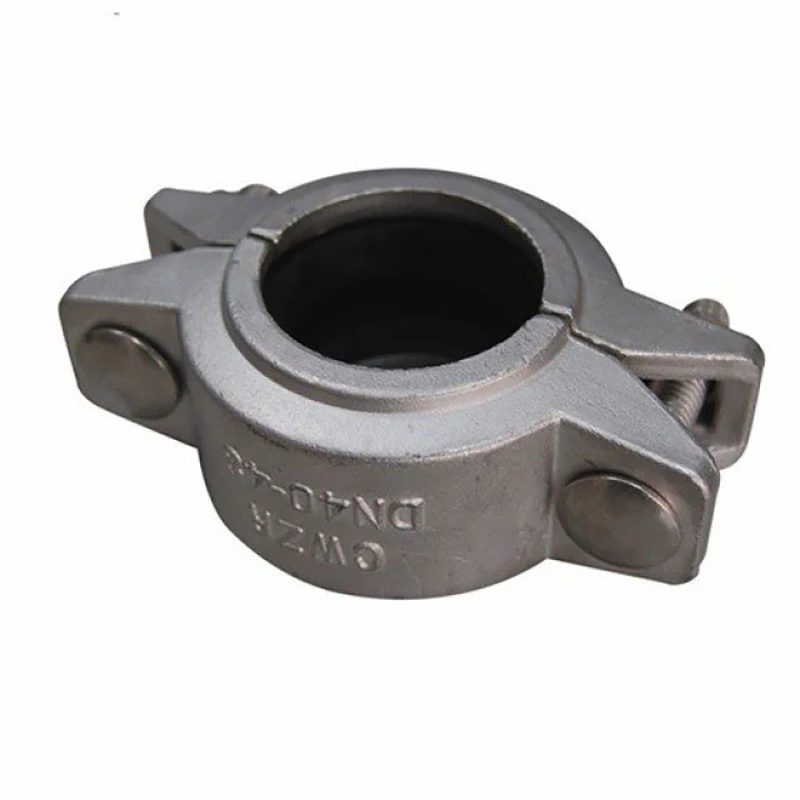
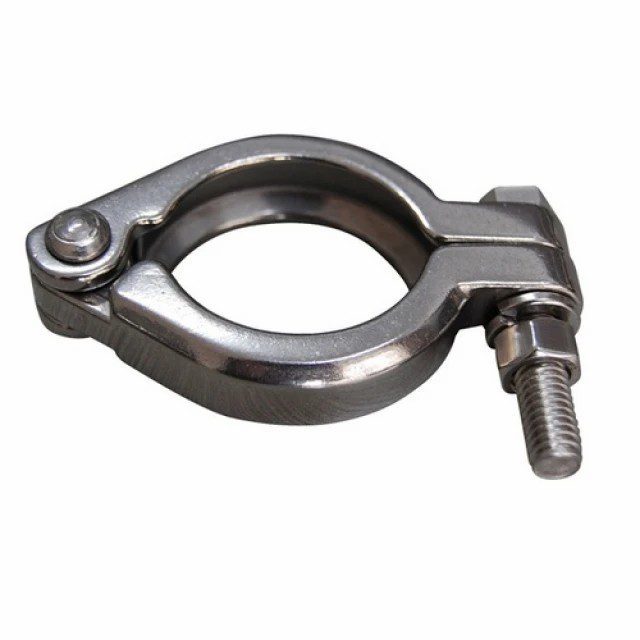
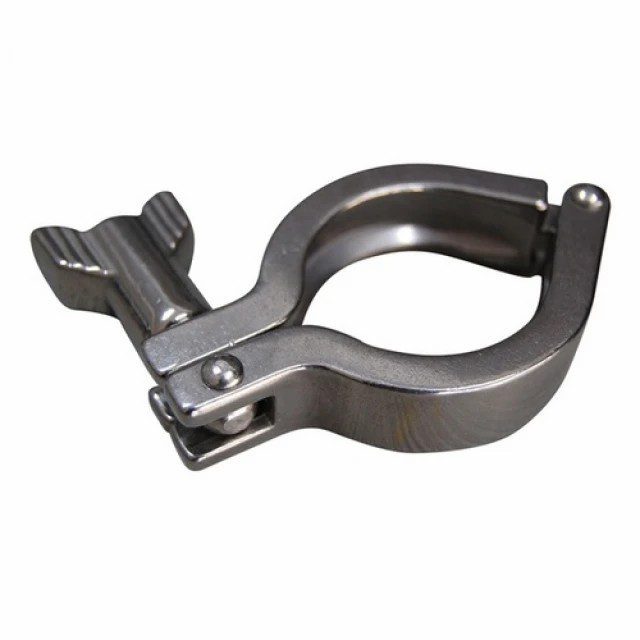
A bolted clamp is a mechanical fastening device used to securely connect two mating fittings, typically with a gasket positioned between them to create a leak-tight seal. Unlike quick-release clamps that use a wing nut or hinged mechanism, bolted clamps utilize one or more bolts and nuts to apply controlled and uniform compression.
Bolted clamps are commonly used in sanitary and industrial piping systems where a stronger and more secure connection is required, especially in applications involving higher pressures, vibration, or frequent cleaning processes.
Most sanitary bolted clamps are manufactured from stainless steel, making them suitable for hygienic environments and corrosion-resistant applications.
A typical bolted clamp assembly consists of several key components:
The clamp body surrounds the ferrules or flanges being connected. It distributes clamping force evenly around the joint.
The bolt and nut generate the tightening force that secures the connection. Tightening the bolt increases compression on the gasket and creates a reliable seal.
Ferrules are the mating pipe-end fittings that connect together within the clamp assembly.
The gasket sits between the ferrules and provides a sanitary, leak-proof seal. Common gasket materials include:
EPDM
Silicone
PTFE
Viton®
Buna-N
The gasket material should be selected based on process temperature, pressure, and chemical compatibility.
The operating principle of a bolted clamp is relatively simple but highly effective.
The two sanitary ferrules are positioned face-to-face with a gasket placed between them.
The bolted clamp is placed around the ferrule flanges, holding the assembly together.
Using a wrench or suitable tool, the bolt is tightened to apply compression force.
As the bolt tightens:
The clamp pulls the ferrules together.
The gasket becomes compressed.
A uniform seal is created around the connection.
Once properly tightened, the clamp maintains continuous pressure on the joint, preventing leaks even during pressure fluctuations, temperature changes, or equipment vibration.
Bolted clamps provide greater holding strength than many quick-connect alternatives. This makes them ideal for applications where accidental loosening cannot be tolerated.
The controlled compression generated by the bolted design ensures consistent gasket sealing, reducing the risk of leaks and product loss.
Industrial processing systems often experience vibration from pumps, mixers, and other rotating equipment. Bolted clamps maintain secure connections even under dynamic operating conditions.
Because they generate greater clamping force, bolted clamps are frequently selected for systems operating at higher pressures than standard sanitary clamp connections.
Manufactured from durable stainless steel, bolted clamps resist corrosion, wear, and repeated cleaning cycles, contributing to long-term reliability.
304 stainless steel offers:
Good corrosion resistance
Excellent strength
Cost-effective performance
It is commonly used in food processing and general industrial applications.
316 stainless steel provides:
Superior corrosion resistance
Better performance in chemical environments
Enhanced resistance to chlorides and aggressive cleaning agents
It is often preferred in pharmaceutical, biotechnology, and marine applications.
Bolted clamps are used in systems handling:
Dairy products
Sauces
Beverages
Edible oils
Processed foods
Their secure sealing helps maintain food safety and hygiene.
Breweries, wineries, and soft drink plants rely on bolted clamps for sanitary fluid transfer and equipment connections.
Pharmaceutical facilities require hygienic, contamination-free systems. Stainless steel bolted clamps support clean and secure process connections.
Bioprocessing operations use sanitary bolted clamps to maintain sterile conditions and protect sensitive products.
Bolted clamps provide reliable sealing in systems exposed to chemicals, cleaning solutions, and corrosive process media.
| Feature | Bolted Clamp | Quick-Release Clamp |
| Connection Strength | Higher | Moderate |
| Pressure Capability | Higher | Lower |
| Vibration Resistance | Excellent | Good |
| Installation Speed | Slower | Faster |
| Maintenance Access | Requires Tools | Tool-Free |
| Heavy-Duty Applications | Ideal | Limited |
For applications requiring maximum security and pressure resistance, bolted clamps are often the preferred choice.
To maximize performance and service life:
Inspect clamps regularly for wear or damage.
Check bolts and nuts for proper tightness.
Replace worn or damaged gaskets promptly.
Clean clamps thoroughly during maintenance cycles.
Verify compatibility with cleaning chemicals and process conditions.
Routine maintenance helps prevent leaks and ensures reliable system operation.
When selecting a bolted clamp, consider:
Ensure the clamp is rated for the system’s maximum pressure.
Choose 304 or 316 stainless steel based on process requirements.
Verify compliance with relevant hygienic standards such as:
3-A Sanitary Standards
FDA requirements
EHEDG guidelines
Select a gasket compatible with your process media, temperature range, and cleaning procedures.
Match the clamp size to the ferrules and pipeline dimensions used in your system.
A bolted clamp is a robust and reliable fastening solution used to create secure, leak-free connections in sanitary and industrial piping systems. By applying controlled compression through a bolt-and-nut mechanism, bolted clamps provide excellent sealing performance, vibration resistance, and long-term durability.
Whether used in food processing, beverage production, pharmaceuticals, biotechnology, or chemical manufacturing, stainless steel bolted clamps help ensure safe, hygienic, and efficient operations. Choosing the right clamp design, material, and gasket combination can significantly improve system reliability and reduce maintenance costs over the life of the equipment.
What is a bolted clamp used for?
A bolted clamp is used to securely connect sanitary ferrules, pipes, valves, pumps, and processing equipment. It creates a tight, leak-resistant seal and is commonly used in food, beverage, pharmaceutical, biotechnology, and chemical processing systems.
How does a bolted clamp create a leak-proof seal?
A bolted clamp works by tightening a bolt and nut assembly around two mating ferrules with a gasket placed between them. The compression force generated by the clamp presses the gasket evenly, creating a secure and leak-tight connection.
What are the advantages of a bolted clamp compared to a quick-release clamp?
Bolted clamps generally provide:
Higher clamping force
Better resistance to vibration
Greater pressure handling capability
More secure connections in demanding environments
Quick-release clamps, however, offer faster installation and easier maintenance access.
What materials are bolted clamps made from?
Most sanitary bolted clamps are manufactured from stainless steel, typically:
304 Stainless Steel – Suitable for general food and beverage applications.
316 Stainless Steel – Offers enhanced corrosion resistance for pharmaceutical, biotechnology, and chemical processing environments.
Are bolted clamps suitable for food-grade applications?
Yes. Stainless steel sanitary bolted clamps are widely used in food and beverage processing because they provide hygienic, easy-to-clean connections that help prevent contamination and support food safety standards.


STAINLESS STEEL&GENCEL;
Privacy Policy | SiteMap
Copyright GENCEL STAINLESS STEEL CO.,LIMITED
 Optimized by Seraphinite Accelerator