- Whatsapp: 8613738300923
- Email: [email protected]


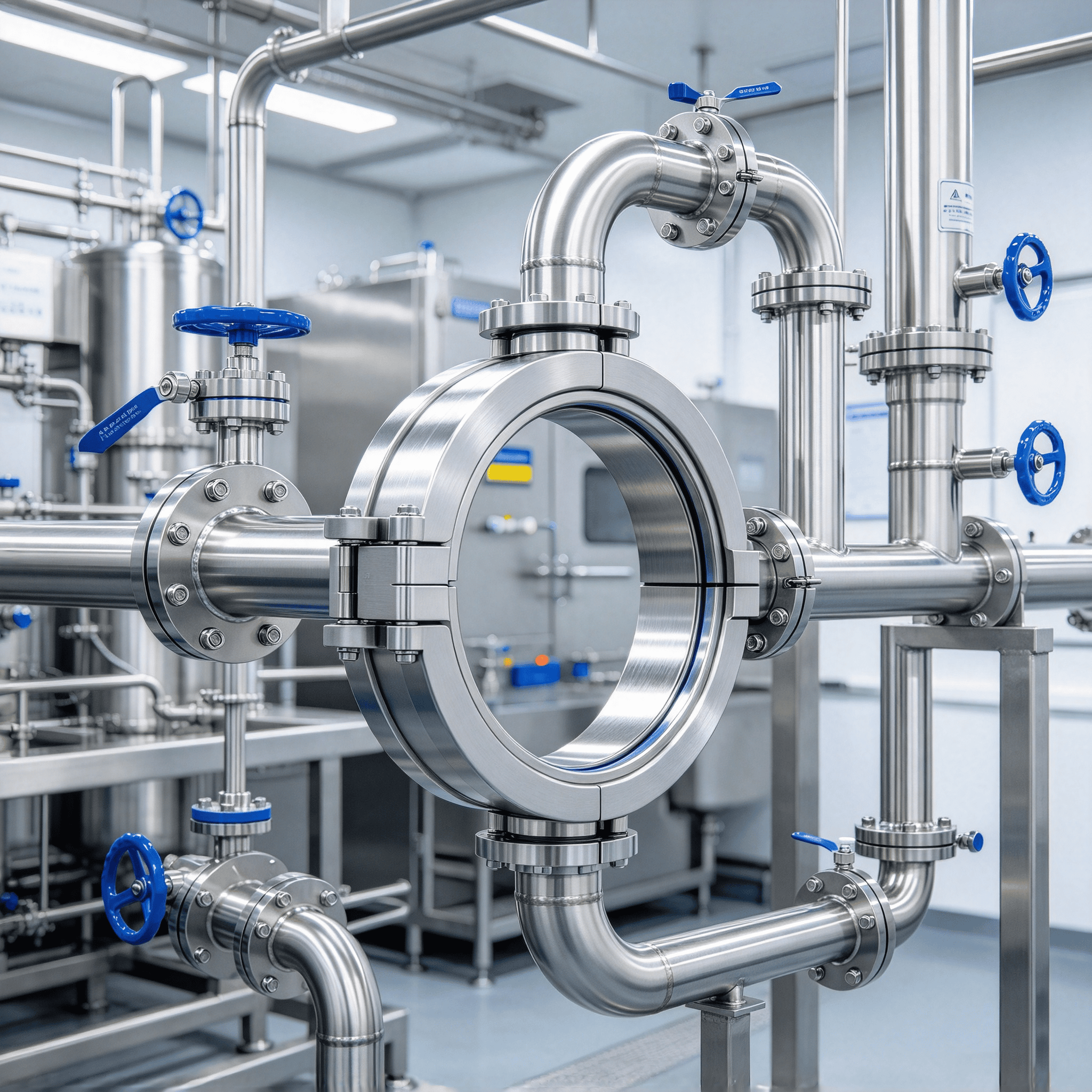
In industries where cleanliness, safety, and product quality are critical, choosing the right piping components is essential. Stainless steel sanitary pipe fittings are widely used in food processing, beverage production, dairy operations, pharmaceuticals, biotechnology, cosmetics, and other hygienic applications. Designed to meet strict sanitary standards, these fittings help maintain clean fluid transfer systems while ensuring long-term reliability.
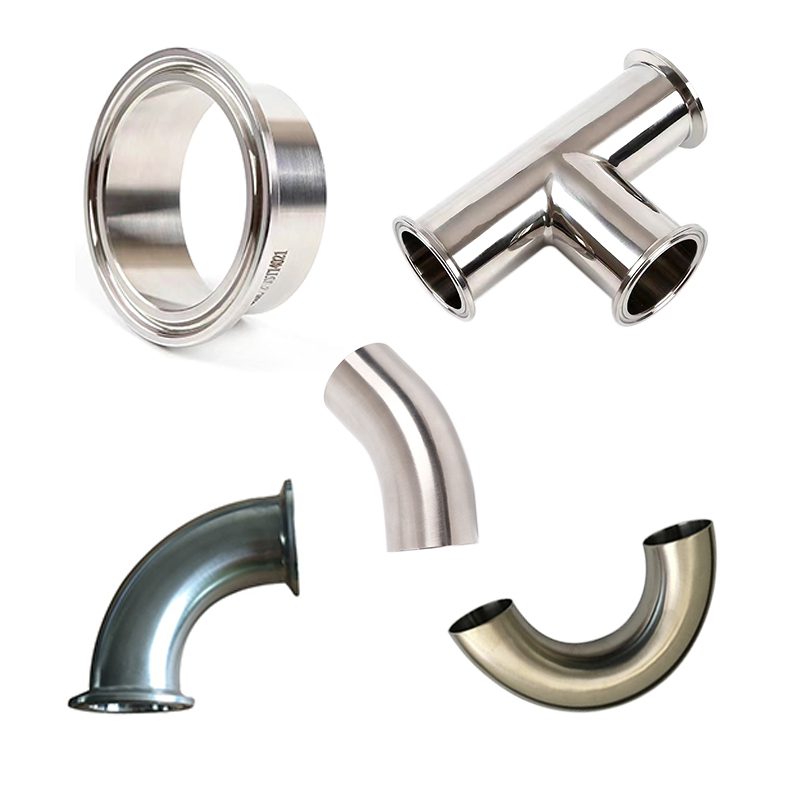
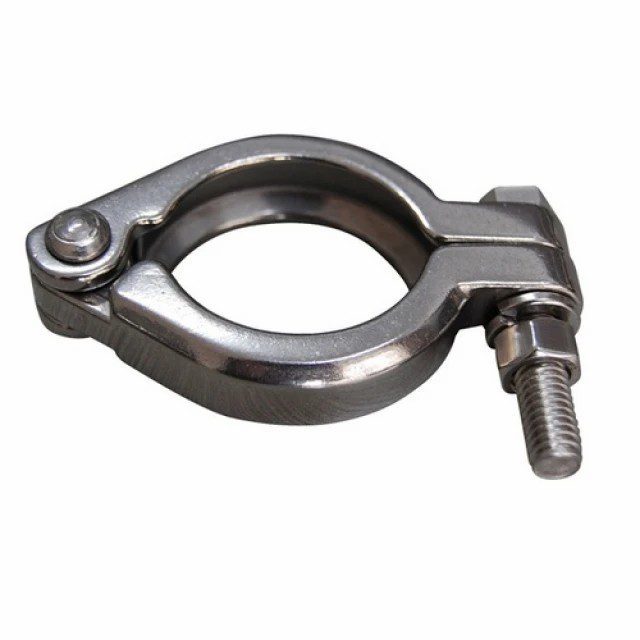
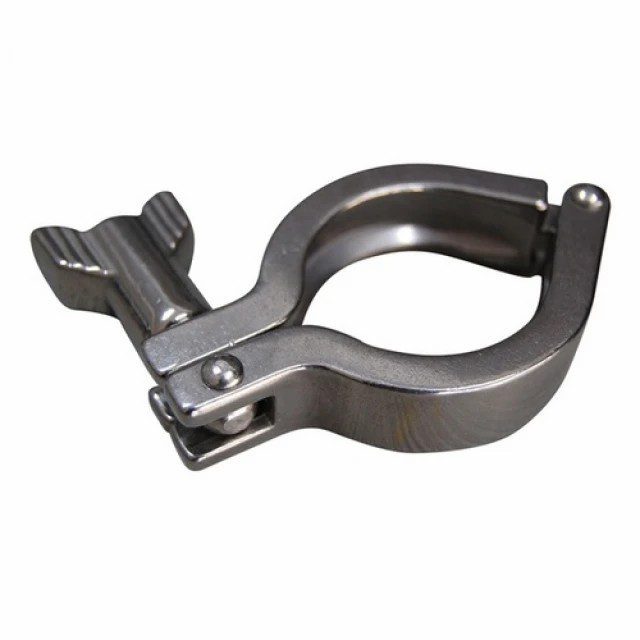
Stainless steel sanitary pipe fittings are specialized components used to connect, redirect, control, or terminate pipelines in hygienic processing systems. Common types include elbows, tees, reducers, ferrules, clamps, unions, and adapters.
Unlike conventional industrial fittings, sanitary fittings feature smooth internal surfaces, crevice-free designs, and corrosion-resistant materials that minimize contamination risks and support effective cleaning procedures.
One of the biggest advantages of stainless steel sanitary pipe fittings is their superior resistance to corrosion.
Processing systems often handle water, cleaning chemicals, acidic products, dairy ingredients, pharmaceuticals, and other substances that can damage ordinary materials. Stainless steel grades such as 304 and 316L provide excellent protection against:
Rust formation
Chemical corrosion
Oxidation
Moisture-related deterioration
This corrosion resistance helps maintain system integrity and prevents contamination caused by material degradation.
Maintaining sanitary conditions is a top priority in food and pharmaceutical production.
Stainless steel sanitary fittings are designed with:
Smooth internal surfaces
Polished finishes
Minimal dead zones
Crevice-free connections
These features reduce the accumulation of bacteria, product residue, and contaminants. As a result, manufacturers can achieve higher levels of hygiene and meet stringent industry requirements.
Efficient cleaning is essential for ensuring product quality and regulatory compliance.
Sanitary pipe fittings are specifically engineered to support:
Clean-in-Place (CIP) systems
Sterilize-in-Place (SIP) processes
Rapid washdown procedures
The smooth surface finish minimizes residue buildup and allows cleaning solutions to flow freely through the system. This improves cleaning efficiency while reducing water, chemical, and labor consumption.
Stainless steel is known for its exceptional mechanical strength and durability.
Sanitary pipe fittings can withstand:
High operating pressures
Temperature fluctuations
Frequent cleaning cycles
Mechanical stress
Because they maintain their structural integrity over time, stainless steel fittings often provide a longer service life than alternative materials, reducing replacement costs and maintenance downtime.
Product contamination can lead to costly recalls, regulatory penalties, and reputational damage.
Using stainless steel sanitary pipe fittings helps protect product quality by:
Preventing bacterial growth
Eliminating rust contamination
Reducing particle generation
Maintaining clean process pathways
This is especially important in industries producing consumable or high-purity products where even minor contamination can have significant consequences.
Many industries must comply with strict sanitary regulations and quality standards.
High-quality stainless steel sanitary pipe fittings can be manufactured to meet requirements such as:
3-A Sanitary Standards
FDA compliance
EHEDG guidelines
GMP requirements
ISO quality standards
Using compliant fittings helps companies maintain regulatory approval and demonstrate commitment to product safety.
Sanitary processing systems often operate under demanding temperature conditions.
Stainless steel fittings can perform reliably in:
Hot water systems
Steam sterilization processes
Pasteurization equipment
Refrigerated production environments
Their ability to withstand both high and low temperatures makes them suitable for a wide range of industrial applications.
Stainless steel sanitary pipe fittings are highly versatile and compatible with numerous products and process fluids, including:
Milk and dairy products
Beverages
Pharmaceutical ingredients
Purified water
Chemicals
Cosmetics
Biotechnology fluids
This flexibility allows manufacturers to standardize equipment across multiple production lines while maintaining hygienic performance.
Contamination risks often arise from rough surfaces, trapped product residues, and corroded components.
The hygienic design of stainless steel sanitary fittings helps minimize these risks by:
Providing smooth flow paths
Eliminating difficult-to-clean areas
Supporting complete drainage
Maintaining material integrity
As a result, manufacturers can improve process reliability and protect product consistency.
Although stainless steel sanitary pipe fittings may have a higher initial cost than some alternatives, they often deliver significant long-term savings through:
Lower maintenance requirements
Reduced downtime
Longer service life
Imroved cleaning efficiency
Fewer contamination incidents
Their durability and reliability make them a cost-effective choice for facilities focused on long-term operational performance.
Used in processing lines for sauces, dairy products, meat products, edible oils, and packaged foods.
Applied in breweries, wineries, soft drink facilities, and juice manufacturing plants.
Supports sterile production environments and high-purity fluid transfer systems.
Ensures contamination-free handling of sensitive biological materials.
Used in the production of creams, lotions, shampoos, and other hygiene-sensitive products.
When selecting sanitary fittings, consider:
Material grade (304 or 316L stainless steel)
Surface finish requirements
Connection type (Tri-Clamp, welded, threaded)
Operating pressure and temperature
Industry certifications
CIP and SIP compatibility
Working with an experienced manufacturer can help ensure the fittings meet your specific process requirements and compliance standards.
Stainless steel sanitary pipe fittings offer numerous advantages, including superior hygiene, corrosion resistance, durability, regulatory compliance, and long-term cost savings. Their ability to support clean, reliable, and efficient processing makes them indispensable in food, beverage, pharmaceutical, biotechnology, and cosmetic industries.
By investing in high-quality stainless steel sanitary pipe fittings, manufacturers can enhance product safety, improve operational efficiency, and maintain the highest standards of hygienic processing.


STAINLESS STEEL&GENCEL;
Privacy Policy | SiteMap
Copyright GENCEL STAINLESS STEEL CO.,LIMITED
 Optimized by Seraphinite Accelerator