- Whatsapp: 8613738300923
- Email: [email protected]


In modern dairy processing, hygiene is one of the most critical factors affecting product safety, quality, and shelf life. Equipment such as storage tanks, mixing vessels, and pipelines must be thoroughly cleaned after every production cycle to prevent bacterial growth and cross-contamination. To achieve this efficiently and consistently, dairy plants widely use tank cleaning balls, an essential component of CIP (Clean-in-Place) systems.
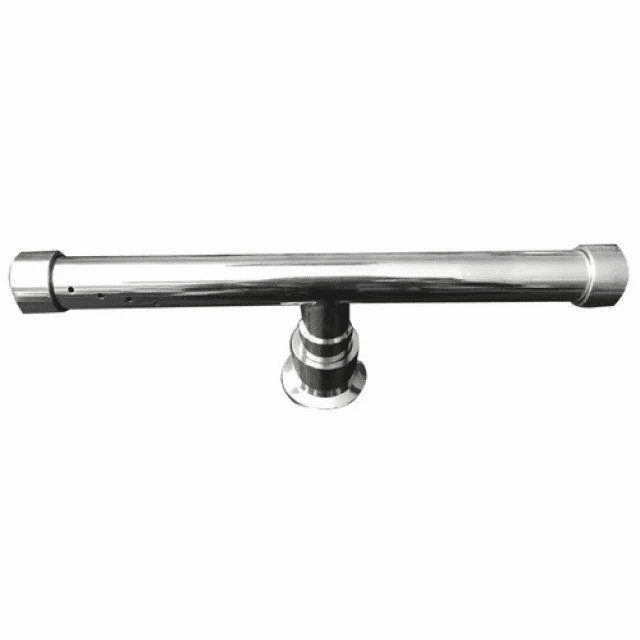
A dairy tank cleaning ball is a sanitary device installed inside tanks or vessels to distribute cleaning fluid in a controlled spray pattern. It is connected to a CIP system that delivers water, detergents, or disinfectants through the ball, which then sprays the solution onto all internal surfaces of the tank.
These cleaning devices are typically made from stainless steel such as SS304 or SS316L and designed with hygienic, polished surfaces to meet food industry standards. Depending on application needs, they are available in static or rotary types, with different spray patterns and cleaning intensities.
Cleaning balls play a central role in ensuring effective and automated cleaning of dairy equipment. Their main function is to guarantee that all internal surfaces of tanks are reached by cleaning fluids without requiring manual intervention.
In dairy production, even small residues of milk, fat, or protein can lead to microbial growth. Cleaning balls help eliminate these residues by providing full-surface coverage inside tanks, ensuring every cleaning cycle achieves the same level of hygiene.
They are also a key enabler of CIP systems, which allow equipment to be cleaned without disassembly. By distributing cleaning solutions evenly, cleaning balls ensure consistent contact between the chemical agents and tank surfaces, improving sanitation efficiency.
Compared to manual cleaning methods, cleaning balls significantly improve operational efficiency. They reduce the need for labor-intensive tank cleaning, minimize water and chemical consumption, and shorten cleaning cycles.
In addition, they enhance food safety by reducing the risk of human contamination. Since cleaning occurs in a closed system, workers do not need to enter tanks, which improves safety and maintains hygienic conditions.
Consistent cleaning performance also helps dairy plants maintain stable production schedules, reducing downtime between batches and improving overall productivity.
Cross-contamination is a major concern in dairy processing, especially when multiple products are produced using the same equipment. Residual materials left in tanks can affect the quality and safety of the next batch.
Cleaning balls help prevent this by ensuring thorough removal of product residues, including milk solids, fats, and microorganisms. This is especially important in facilities producing different dairy products such as milk, yogurt, cream, and cheese.
Modern dairy plants rely heavily on Clean-in-Place systems, which involve a series of automated cleaning steps such as pre-rinse, alkaline wash, acid rinse, and final sanitization. Cleaning balls are responsible for distributing these cleaning solutions effectively inside tanks.
They ensure that each stage of the CIP process achieves full surface coverage, allowing chemicals to break down residues and disinfect equipment efficiently without dismantling the system.
There are two main types of cleaning balls used in dairy processing systems:
Static cleaning balls provide a fixed spray pattern and are suitable for smaller tanks or light cleaning applications. They are simple in design and require minimal maintenance.
Rotary cleaning balls use fluid pressure to rotate and generate a dynamic 360-degree spray pattern. They are more effective for larger tanks and heavy residue removal due to their improved coverage and cleaning intensity.
Cleaning balls offer several important advantages in dairy manufacturing environments.
They ensure high hygiene standards by thoroughly cleaning all internal tank surfaces. They improve operational efficiency by reducing cleaning time and eliminating manual labor inside tanks. They also lower water and chemical consumption, making the cleaning process more cost-effective and environmentally friendly.
In addition, cleaning balls provide consistent and repeatable cleaning performance, which is essential for maintaining product quality across multiple production batches. Their closed-system operation also improves worker safety and reduces contamination risks.
Cleaning balls are widely used in various stages of dairy processing. These include milk storage tanks, yogurt fermentation vessels, cheese production tanks, cream processing systems, and general mixing or holding tanks.
In all these applications, they ensure that equipment remains clean, sanitary, and ready for the next production cycle.
Most dairy tank cleaning balls are made from stainless steel, with SS304 used for general applications and SS316L preferred for higher hygiene or more corrosive environments. The internal surfaces are highly polished to reduce residue adhesion and improve cleaning performance.
Spray patterns and nozzle designs are selected based on tank size, geometry, and cleaning requirements, ensuring optimal coverage and efficiency in different processing conditions.
To maintain optimal performance, cleaning balls should be regularly inspected for clogged spray holes, wear, or damage. In rotary models, the rotation mechanism should be checked to ensure smooth operation. Proper CIP pressure levels must also be maintained to achieve effective spray performance.
Routine maintenance helps extend service life and ensures consistent cleaning efficiency over time.
Dairy tank cleaning balls are a vital component of modern dairy processing systems. By enabling efficient, automated, and hygienic cleaning inside tanks, they play a key role in ensuring product safety, improving operational efficiency, and supporting strict food industry standards.
As dairy production continues to evolve toward higher automation and stricter hygiene requirements, cleaning balls remain an essential technology for maintaining clean, safe, and efficient processing environments.
1. What is a dairy tank cleaning ball used for?
A dairy tank cleaning ball is used to clean the internal surfaces of storage tanks, mixing vessels, and processing equipment in dairy production. It sprays cleaning fluid in a controlled pattern to remove residues such as milk, fat, and protein, ensuring hygienic conditions.
2. How does a cleaning ball work in a dairy tank?
It is connected to a CIP (Clean-in-Place) system. Cleaning fluid is pumped through the ball and sprayed onto all internal tank surfaces. Static models use fixed spray patterns, while rotary models rotate to provide full 360-degree coverage.
3. What is the difference between static and rotary cleaning balls?
Static cleaning balls have a fixed spray direction and are suitable for small tanks or light cleaning tasks. Rotary cleaning balls spin using fluid pressure, offering stronger impact and better coverage for large or heavily soiled tanks.
4. Why are cleaning balls important in dairy processing?
They ensure complete removal of product residues, prevent bacterial growth, reduce cross-contamination risks, and support food safety compliance. They are essential for maintaining hygiene in milk, yogurt, cheese, and cream production.
5. What materials are dairy tank cleaning balls made from?
Most cleaning balls are made from stainless steel, typically SS304 or SS316L, which provide excellent corrosion resistance and meet food-grade hygiene requirements.
6. Can cleaning balls be used with CIP systems?
Yes, cleaning balls are a core component of CIP systems. They distribute cleaning chemicals, water, and disinfectants evenly inside tanks without requiring disassembly.
7. How often should a cleaning ball be maintained?
Regular inspection is recommended. Operators should check for clogged spray holes, wear on moving parts (for rotary types), and ensure proper pressure during each CIP cycle.
8. Do cleaning balls reduce water and chemical usage?
Yes. Because they distribute cleaning fluids efficiently, they reduce waste of water, chemicals, and energy compared to manual cleaning methods.
9. Where are dairy tank cleaning balls commonly used?
They are widely used in milk storage tanks, yogurt fermentation tanks, cheese production equipment, cream processing systems, and other dairy processing vessels.
10. How do cleaning balls improve food safety?
They ensure consistent and thorough cleaning of all internal surfaces, helping eliminate bacteria and residues that could contaminate dairy products, thereby improving overall food safety and compliance.


STAINLESS STEEL&GENCEL;
Privacy Policy | SiteMap
Copyright GENCEL STAINLESS STEEL CO.,LIMITED
 Optimized by Seraphinite Accelerator