- Whatsapp: 8613738300923
- Email: [email protected]


The cosmetic and biotechnology industries operate under some of the strictest hygiene and quality control requirements in modern manufacturing. Every stage of production—from ingredient transfer and mixing to filling and cleaning—must be carefully monitored to ensure product consistency, prevent contamination, and comply with industry regulations.
One essential component that supports these goals is the Cross Type Sight Glass. Designed for hygienic piping systems, this specialized sight glass provides operators with a clear view of fluids flowing through process lines without opening the system. Its cross-shaped configuration also allows multiple pipeline connections, making it ideal for complex processing environments.
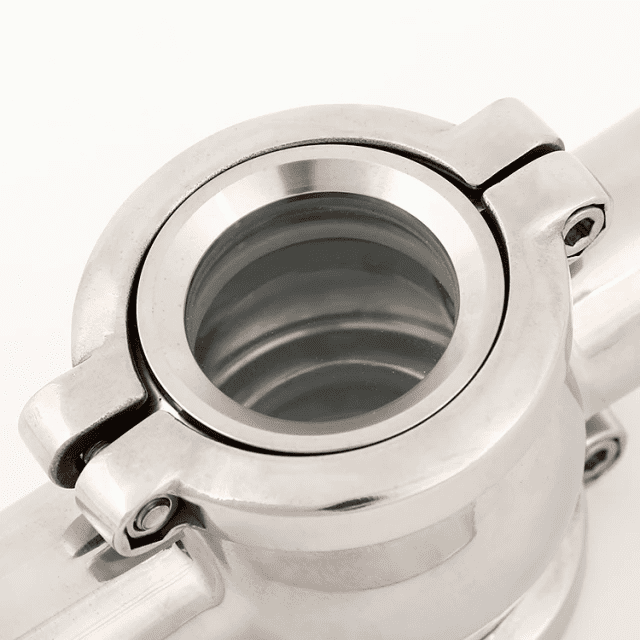
A Cross Type Sight Glass is a sanitary pipeline fitting featuring four interconnected ports arranged in a cross configuration with transparent glass windows for visual inspection.
Unlike conventional inline sight glasses, the cross design provides greater flexibility for connecting multiple process lines while maintaining continuous visibility of the flowing media.
Typical features include:
SS304 or SS316L stainless steel construction
Borosilicate or tempered glass viewing windows
Hygienic Tri-Clamp or welded connections
Food-grade sealing gaskets
Mirror-polished internal surfaces
Compatibility with CIP and SIP cleaning systems
These characteristics make Cross Type Sight Glasses particularly suitable for industries where cleanliness and process reliability are essential.
In cosmetic and biotechnology manufacturing, even minor process deviations can affect product quality, production efficiency, or regulatory compliance.
Real-time visual monitoring helps operators detect:
Flow interruptions
Air bubbles
Foam formation
Product color changes
Mixing consistency
Contamination
Cleaning effectiveness
Residual product during changeovers
Instead of opening the pipeline for inspection, technicians can monitor production safely through the transparent viewing window, reducing contamination risks and minimizing downtime.
Cosmetic production involves handling a wide range of liquid and semi-liquid products that require consistent texture, appearance, and quality.
During the mixing of creams and lotions, operators need to ensure that ingredients are fully blended before transferring the product to filling equipment.
A Cross Type Sight Glass enables operators to monitor:
Product homogeneity
Mixing progress
Air entrainment
Flow stability
This helps maintain a smooth texture and consistent product quality.
Shampoos and liquid soaps often produce foam during mixing and transfer.
Using a Cross Type Sight Glass allows technicians to observe:
Foam generation
Liquid clarity
Flow rate
Product transitions
Early detection of excessive foaming helps optimize production parameters and reduce waste.
Before products enter automatic filling machines, manufacturers use sight glasses to verify that:
Product is flowing normally
No air pockets are present
Product color remains consistent
Pipelines are completely primed
This improves filling accuracy and minimizes rejected products.
Many cosmetic factories transfer oils, fragrances, pigments, and active ingredients through sanitary pipelines.
Cross Type Sight Glasses help operators verify:
Complete ingredient transfer
Absence of contamination
Proper flow direction
No residual material remaining inside the pipeline
Biotechnology manufacturing requires sterile processing environments where contamination must be prevented at every stage.
Cross Type Sight Glasses provide visual inspection without exposing the system to external contaminants.
Culture media must remain sterile throughout transportation between storage tanks and bioreactors.
Sight glasses allow operators to monitor:
Continuous flow
Bubble formation
Media clarity
Transfer completion
This ensures reliable process control while maintaining sterility.
Fermentation processes involve continuous circulation of liquids throughout reactors and auxiliary equipment.
Cross Type Sight Glasses are commonly installed to observe:
Fermentation broth movement
Foam levels
Cleaning cycles
Product transfer between vessels
Visual monitoring helps operators respond quickly to process abnormalities.
Buffers are widely used throughout biotechnology manufacturing.
Sight glasses help verify:
Complete mixing
Correct flow
Absence of particles
Cleaning solution circulation
This contributes to greater process accuracy and product consistency.
Purified water is essential for biotechnology production.
Cross Type Sight Glasses enable operators to inspect:
Water clarity
Flow conditions
Cleaning verification
Pipeline status during maintenance
Operators can observe production without interrupting the manufacturing process.
This enables faster troubleshooting and reduces production delays.
Since inspection is performed externally, the closed process system remains protected from environmental contaminants.
This is especially important in sterile manufacturing environments.
Real-time observation allows operators to identify process deviations before they affect finished products.
Examples include:
Incomplete mixing
Product separation
Foreign particles
Unexpected color changes
Early intervention reduces waste and improves batch consistency.
Cross Type Sight Glasses are designed to withstand frequent cleaning and sterilization.
They help operators visually confirm:
Cleaning solution flow
Removal of product residue
Completion of CIP cycles
Sterilization effectiveness
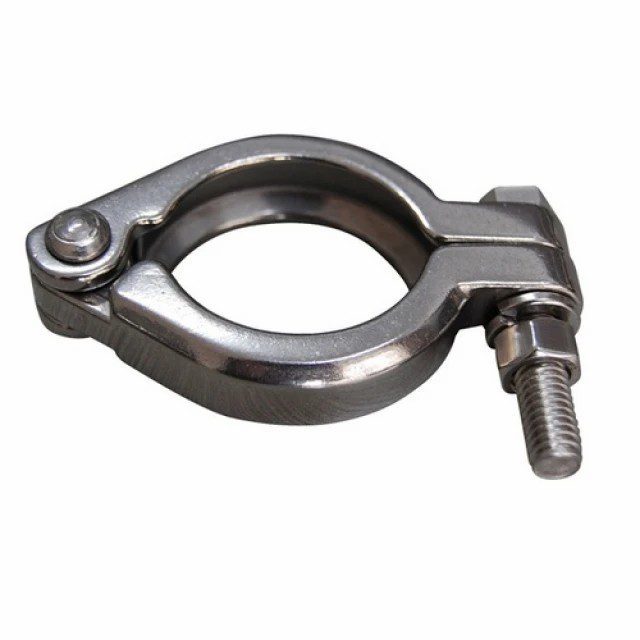
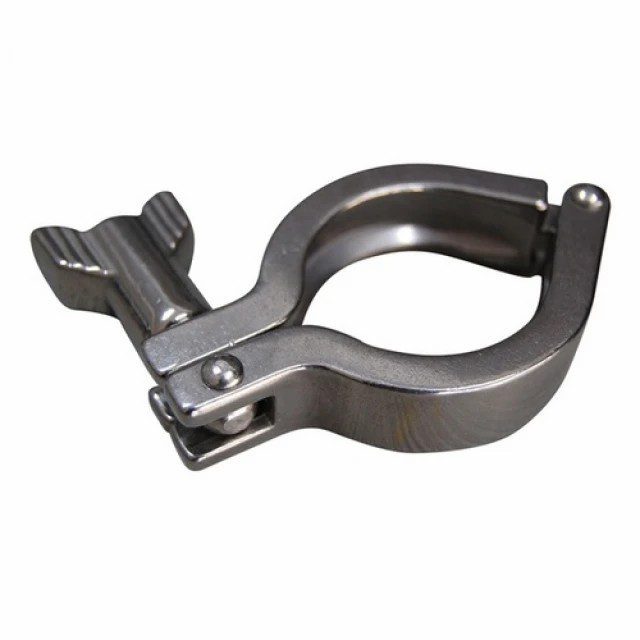
The sanitary clamp design allows quick disassembly for:
Glass replacement
Gasket inspection
Routine maintenance
Periodic cleaning
This reduces maintenance time while maintaining hygiene standards.
Choosing the appropriate materials is essential for long-term performance.
Most manufacturers choose:
SS304 for standard cosmetic production
SS316L for biotechnology and highly corrosive environments
SS316L provides superior corrosion resistance and is widely used in sterile processing systems.
Borosilicate glass is preferred because it offers:
High transparency
Excellent thermal resistance
Chemical resistance
Pressure resistance
Long service life
Common sealing materials include:
Silicone
EPDM
PTFE
Viton
The appropriate gasket depends on the process temperature, cleaning chemicals, and product compatibility.
When selecting a Cross Type Sight Glass, manufacturers should evaluate:
Pipeline diameter
Operating pressure
Process temperature
Connection type
Surface finish
Glass material
Cleaning requirements
Regulatory compliance
Selecting the appropriate configuration helps ensure reliable operation and long-term durability.
To maximize performance:
Install the sight glass in an easily visible location.
Inspect the glass regularly for scratches or cracks.
Replace worn gaskets during scheduled maintenance.
Verify clamp tightness after cleaning cycles.
Avoid sudden temperature changes that may damage the glass.
Perform routine inspections during CIP and SIP procedures.
Preventive maintenance extends service life while ensuring safe and hygienic operation.
Cross Type Sight Glasses play a vital role in cosmetic and biotechnology manufacturing by providing continuous visual monitoring without compromising hygiene or process integrity. Their cross-shaped design supports flexible piping configurations while allowing operators to observe product flow, mixing, cleaning, and transfer in real time.
Whether monitoring lotions, shampoos, fermentation media, purified water, or sterile buffer solutions, these sanitary fittings help improve product quality, reduce contamination risks, shorten maintenance time, and enhance overall production efficiency. As manufacturing standards continue to rise, Cross Type Sight Glasses remain an essential component for achieving safe, reliable, and highly controlled processing environments.
1. Why are Cross Type Sight Glasses commonly used in cosmetic manufacturing?
They allow operators to monitor product flow, mixing quality, foam formation, and filling operations without opening the pipeline, helping maintain consistent product quality and hygienic conditions.
2. Are Cross Type Sight Glasses suitable for sterile biotechnology processes?
Yes. Hygienic models made from SS316L stainless steel with sanitary seals are designed for sterile applications and are compatible with CIP and SIP cleaning procedures.
3. What products can be monitored using a Cross Type Sight Glass?
They are suitable for creams, lotions, shampoos, liquid soaps, purified water, culture media, fermentation broths, buffer solutions, and many other liquid or semi-liquid products.
4. What is the advantage of the cross-shaped design?
The four-way configuration enables multiple pipeline connections while maintaining clear visibility of the process stream, making it ideal for complex processing systems with branching or intersecting flow paths.
5. How does a Cross Type Sight Glass improve production efficiency?
By providing real-time visual inspection, it allows operators to detect flow issues, contamination, air bubbles, or incomplete cleaning early, reducing downtime, minimizing waste, and improving overall process control.



STAINLESS STEEL&GENCEL;
Privacy Policy | SiteMap
Copyright GENCEL STAINLESS STEEL CO.,LIMITED
 Optimized by Seraphinite Accelerator