- Whatsapp: 8613738300923
- Email: [email protected]


In industries where fluid quality, cleanliness, and process control are critical, operators need a reliable way to observe what is happening inside pipelines without interrupting production. This is where a Cross Type Sight Glass plays an important role.
Widely used in food processing, dairy, beverage, pharmaceutical, biotechnology, and cosmetic industries, a Cross Type Sight Glass allows operators to visually inspect liquid flow, product consistency, air bubbles, cleaning cycles, and potential contamination while maintaining a completely sealed sanitary system.
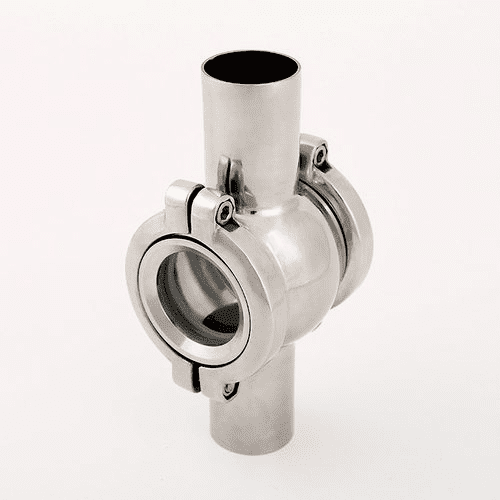
A Cross Type Sight Glass is a sanitary pipeline fitting designed with four connection ports arranged in a cross configuration. It incorporates one or more transparent glass windows that allow direct visual inspection of fluids flowing through the pipeline.
Unlike standard inline sight glasses, the cross-shaped design enables multiple pipeline connections while still providing excellent visibility into the process stream.
Typical construction includes:
Stainless steel body (usually SS304 or SS316L)
Tempered borosilicate glass or toughened safety glass
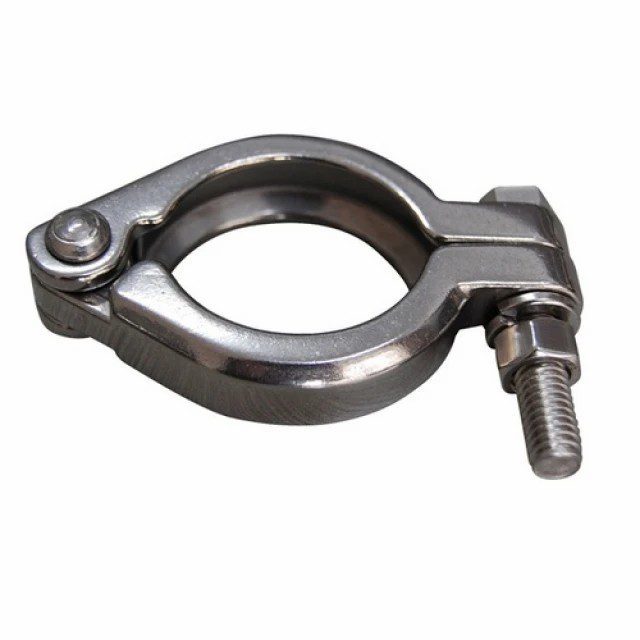
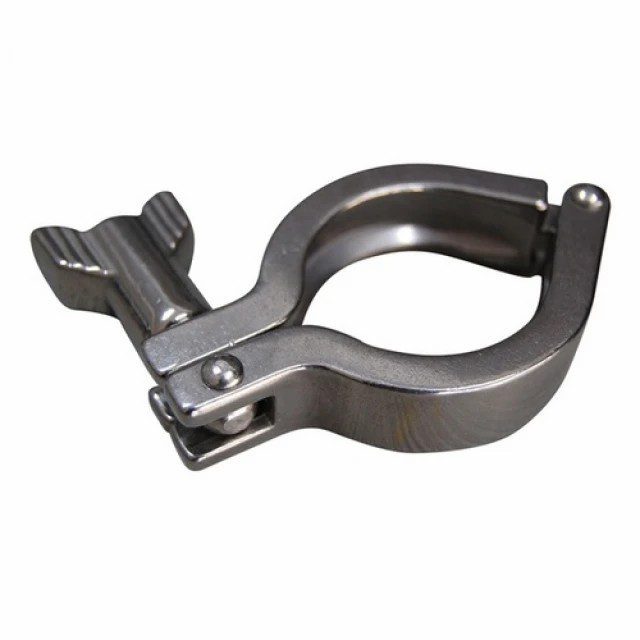
Hygienic clamp, weld, or threaded connections
Food-grade sealing gaskets
Polished internal surfaces for easy cleaning
Its sanitary design minimizes dead zones and supports strict hygiene standards required in clean processing environments.
A Cross Type Sight Glass functions by incorporating a transparent viewing window into the piping system without interrupting fluid flow.
As liquids, cleaning solutions, or gases pass through the sight glass, operators can visually monitor the process in real time.
The sight glass allows users to observe:
Product flow
Flow direction
Flow consistency
Color changes
Air bubbles
Foam formation
Cleaning solution circulation
Product transition during batch changes
Signs of contamination
Because observation occurs externally through the glass window, there is no need to open the system, reducing contamination risks and production downtime.
The body is typically manufactured from 304 or 316L stainless steel, providing:
Excellent corrosion resistance
High mechanical strength
Long service life
Compatibility with hygienic environments
316L stainless steel is especially suitable for pharmaceutical and highly corrosive applications.
The transparent section is commonly made from:
Borosilicate glass
Tempered safety glass
These materials offer:
High temperature resistance
Pressure resistance
Chemical resistance
Excellent transparency
Long-term durability
Food-grade silicone, EPDM, PTFE, or Viton gaskets ensure:
Leak-free operation
Chemical compatibility
High-temperature performance
Easy replacement
The four-way configuration allows multiple process lines to intersect while maintaining clear visibility of the flowing media.
This design is particularly useful for:
Mixing systems
Distribution pipelines
Sampling points
Multi-directional flow control
Operators can instantly observe production conditions without shutting down equipment.
This helps detect:
Blockages
Flow interruptions
Product separation
Foreign particles
Excessive foaming
Continuous visual inspection allows production teams to identify abnormalities before they affect the final product.
Early detection helps reduce waste and improve consistency.
Because the pipeline remains closed during inspection, there is less chance of introducing contaminants into the system.
The polished stainless steel construction also minimizes bacterial growth.
Quick visual inspections eliminate unnecessary dismantling of pipelines, reducing maintenance time and increasing production efficiency.
Cross Type Sight Glasses are designed to withstand:
CIP (Clean-in-Place)
SIP (Sterilize-in-Place)
This makes them ideal for industries requiring frequent cleaning and sterilization.
Manufacturers use Cross Type Sight Glasses to monitor:
Sauces
Syrups
Oils
Liquid ingredients
Processing fluids
Visual inspection ensures product quality throughout production.
Breweries, juice producers, and soft drink manufacturers use them to observe:
Beverage clarity
Foam formation
Filling operations
Cleaning cycles
Applications include monitoring:
Milk
Cream
Yogurt
Whey
Cheese production lines
The hygienic design helps maintain strict sanitary standards.
Cross Type Sight Glasses are commonly installed in:
Purified water systems
Sterile liquid production
Vaccine manufacturing
API processing
Operators can verify flow conditions without compromising sterile environments.
Biotech facilities use them for:
Culture media transfer
Fermentation systems
Buffer preparation
Sterile process monitoring
Ideal for monitoring:
Shampoo production
Lotion mixing
Cream manufacturing
Liquid cosmetic filling
Selecting the right model depends on several factors:
SS304 for general hygienic applications
SS316L for corrosive or pharmaceutical environments
Choose according to your piping system:
Tri-Clamp
Butt weld
Threaded
Flanged
Consider operating pressure, temperature, and chemical compatibility.
Ensure the sight glass matches your system’s maximum operating pressure.
Verify compatibility with both production and CIP/SIP cleaning temperatures.
Electropolished or mirror-polished interiors improve hygiene and facilitate cleaning.
To maximize service life:
Inspect glass regularly for scratches or cracks.
Replace worn or damaged gaskets promptly.
Clean the viewing window during scheduled maintenance.
Check clamp tightness and seals for leaks.
Follow the manufacturer’s pressure and temperature limits.
Avoid sudden thermal shock when operating at high temperatures.
Routine maintenance helps ensure reliable performance and long-term safety.
A Cross Type Sight Glass is an indispensable component in modern hygienic processing systems. Its cross-shaped design enables efficient multi-directional pipeline connections while providing continuous visual monitoring of fluid flow without interrupting production.
By combining durable stainless steel construction, high-strength glass, sanitary sealing, and compatibility with CIP/SIP cleaning systems, Cross Type Sight Glasses help manufacturers improve process control, product quality, operational safety, and maintenance efficiency.
Whether used in food processing, dairy, beverages, pharmaceuticals, biotechnology, or cosmetics manufacturing, investing in a high-quality Cross Type Sight Glass is an effective way to enhance productivity and maintain strict hygiene standards across your production line.
1. What is the main purpose of a Cross Type Sight Glass?
Its primary purpose is to provide real-time visual inspection of fluids inside sanitary pipelines while keeping the system fully sealed.
2. What materials are commonly used for Cross Type Sight Glasses?
Most models feature SS304 or SS316L stainless steel bodies, borosilicate or tempered glass windows, and food-grade gasket materials such as silicone, EPDM, PTFE, or Viton.
3. Can Cross Type Sight Glasses be used with CIP and SIP systems?
Yes. High-quality sanitary models are designed to withstand both Clean-in-Place (CIP) and Sterilize-in-Place (SIP) procedures, making them suitable for hygienic processing industries.
4. Which industries commonly use Cross Type Sight Glasses?
They are widely used in food and beverage processing, dairy production, pharmaceutical manufacturing, biotechnology, cosmetics, and other industries that require hygienic fluid handling.
5. How often should a Cross Type Sight Glass be inspected?
It should be inspected during routine maintenance schedules. Regular checks of the glass, seals, and connections help ensure safe operation and extend the service life of the equipment.



STAINLESS STEEL&GENCEL;
Privacy Policy | SiteMap
Copyright GENCEL STAINLESS STEEL CO.,LIMITED
 Optimized by Seraphinite Accelerator