- Whatsapp: 8613738300923
- Email: [email protected]


In sanitary processing industries, maintaining product quality, ensuring process visibility, and meeting strict hygiene standards are top priorities. Whether handling food, beverages, pharmaceuticals, cosmetics, or biotechnology products, manufacturers need reliable components that can withstand demanding operating conditions while supporting efficient production.
One such component is the Stainless Steel Cross Type Sight Glass. Combining the durability of stainless steel with the functionality of a four-way sight glass, this fitting enables operators to visually inspect product flow without interrupting the process.
Compared with conventional piping fittings, stainless steel Cross Type Sight Glasses offer superior corrosion resistance, long service life, hygienic performance, and compatibility with modern cleaning systems. This article explores their key advantages and explains why they are widely used in sanitary process piping.
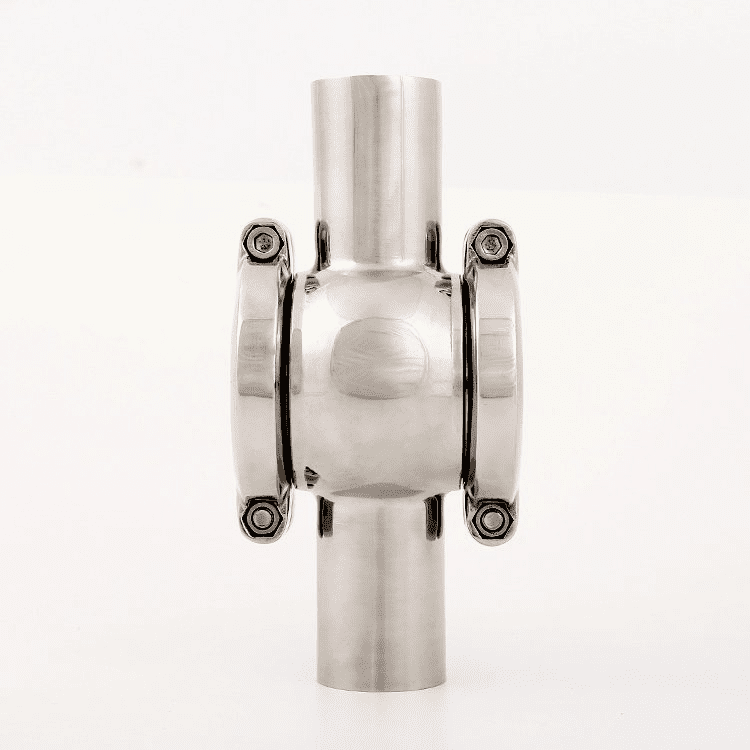
A Stainless Steel Cross Type Sight Glass is a sanitary pipeline fitting featuring four connection ports arranged in a cross configuration with one or more transparent glass viewing windows.
The component allows operators to monitor fluids flowing through interconnected process lines while maintaining a completely sealed system.
Typical construction includes:
SS304 or SS316L stainless steel body
Borosilicate or tempered glass window
Hygienic Tri-Clamp, welded, or threaded connections
Food-grade sealing gaskets
Mirror-polished internal surfaces
Its cross-shaped design makes it suitable for multi-directional pipeline systems where both process flexibility and visual inspection are required.
Stainless steel has become the industry standard for hygienic processing equipment because it offers exceptional mechanical strength and corrosion resistance.
Compared with carbon steel or plastic materials, stainless steel provides:
Better durability
Improved chemical resistance
Higher temperature tolerance
Easier cleaning
Longer service life
Superior hygienic performance
These characteristics make stainless steel ideal for demanding industrial environments.
One of the biggest advantages of stainless steel is its outstanding resistance to corrosion.
During production, sight glasses may be exposed to:
Acidic liquids
Alkaline cleaning solutions
Salt-containing products
Steam sterilization
Moist environments
SS304 performs well in general sanitary applications, while SS316L offers enhanced resistance to chlorides and aggressive chemicals, making it the preferred choice for pharmaceutical, biotechnology, and marine environments.
The corrosion-resistant surface helps prevent rust, contamination, and premature equipment failure.
Hygienic processing systems require components that are easy to clean and resistant to bacterial growth.
Stainless Steel Cross Type Sight Glasses feature:
Smooth polished surfaces
Low surface roughness
Minimal dead zones
Sanitary welds
Hygienic gasket sealing
These features reduce product residue accumulation and make cleaning more effective.
As a result, manufacturers can maintain strict hygiene standards while minimizing contamination risks.
Industrial processing systems often operate under elevated pressures and temperatures.
Stainless steel provides excellent structural strength, allowing Cross Type Sight Glasses to withstand:
High operating pressure
Mechanical vibration
Thermal expansion
Frequent cleaning cycles
Continuous production environments
Its durability reduces the likelihood of deformation or structural failure during long-term operation.
Many sanitary industries perform both production and cleaning under high temperatures.
Stainless steel maintains its strength during:
Hot liquid transfer
Steam sterilization
CIP cleaning
SIP sterilization
Combined with borosilicate glass, the sight glass can operate safely across a wide temperature range without compromising performance.
Because stainless steel resists corrosion, wear, and mechanical damage, Cross Type Sight Glasses typically require less maintenance than alternative materials.
Benefits include:
Lower replacement frequency
Reduced maintenance costs
Improved equipment reliability
Longer operational lifespan
This contributes to a lower total cost of ownership over the life of the equipment.
Modern sanitary manufacturing relies heavily on:
Clean-in-Place (CIP)
Sterilize-in-Place (SIP)
Stainless Steel Cross Type Sight Glasses are specifically designed to withstand repeated exposure to:
High-temperature water
Steam
Cleaning chemicals
Disinfectants
Operators can visually confirm cleaning solution flow and verify that pipelines are free of product residue before production resumes.
The integrated glass window enables real-time monitoring of the production process.
Operators can quickly observe:
Product flow
Flow direction
Air bubbles
Foam formation
Product color
Mixing consistency
Cleaning cycles
Product transitions
Continuous visual monitoring helps identify abnormalities early, reducing waste and preventing production interruptions.
Unlike standard inline sight glasses, the cross configuration supports multiple process connections.
This makes it ideal for:
Distribution manifolds
Mixing systems
Sampling stations
Branch pipelines
Multi-directional process lines
The flexible design simplifies pipeline layouts while maintaining excellent visibility.
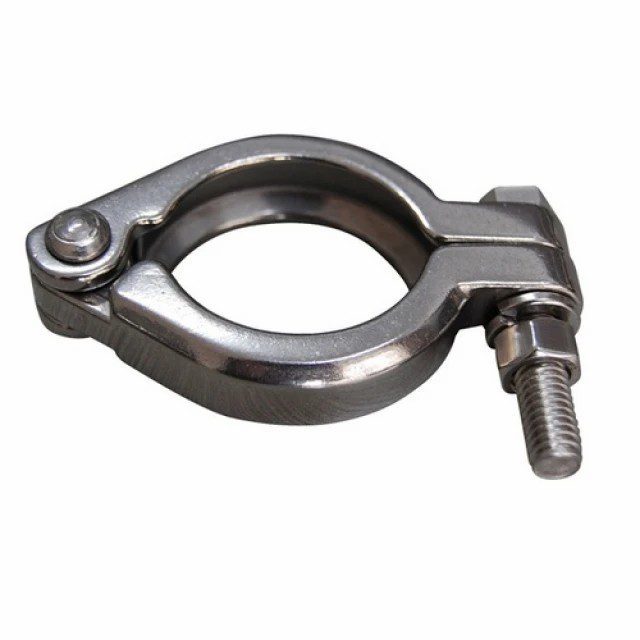
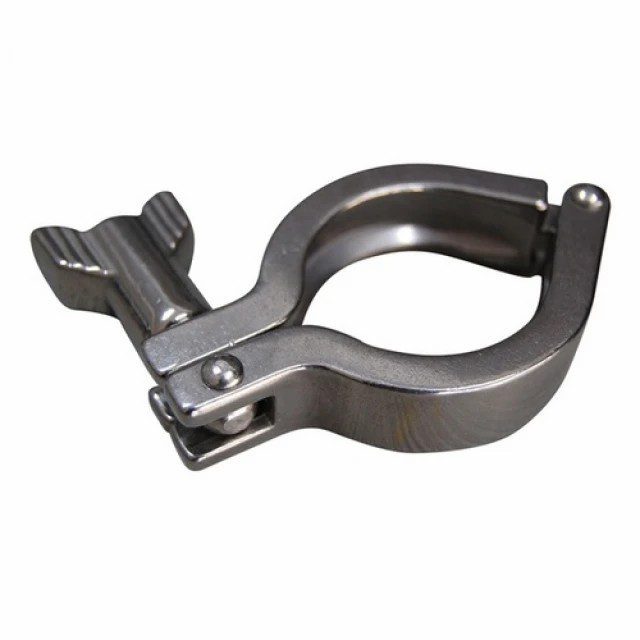
Most sanitary Cross Type Sight Glasses utilize Tri-Clamp connections, allowing fast installation and disassembly.
Routine maintenance becomes easier because operators can quickly:
Replace gaskets
Inspect glass
Clean internal surfaces
Perform routine inspections
Reduced maintenance time helps improve overall production efficiency.
Manufacturers use stainless steel Cross Type Sight Glasses to monitor:
Milk
Juice
Beer
Syrup
Sauces
Edible oils
Continuous inspection ensures consistent product quality.
Sterile pharmaceutical production requires complete process visibility without exposing products to contamination.
Sight glasses are commonly installed in:
Purified water systems
Injectable liquid production
Drug formulation lines
Sterile transfer systems
Biotechnology facilities use them to monitor:
Fermentation media
Buffer solutions
Cell culture transfer
Cleaning cycles
The corrosion-resistant SS316L construction is particularly valuable in these highly controlled environments.
Applications include:
Lotion manufacturing
Shampoo production
Cream mixing
Liquid soap transfer
Cosmetic filling lines
Operators can verify flow conditions and product consistency throughout the production process.
Dairy processors rely on Cross Type Sight Glasses for monitoring:
Milk transfer
Yogurt production
Cream processing
Cheese manufacturing
Their hygienic design supports strict food safety standards.
Suitable for:
Food processing
Beverage production
Cosmetic manufacturing
General sanitary applications
Advantages include excellent corrosion resistance and cost-effectiveness.
Recommended for:
Pharmaceutical manufacturing
Biotechnology
High-purity processing
Corrosive chemical environments
Its added molybdenum content provides enhanced resistance to corrosion and pitting, especially in aggressive cleaning environments.
To maximize service life:
Inspect the glass for scratches or cracks.
Replace damaged gaskets promptly.
Clean the viewing window regularly.
Verify clamp tightness after maintenance.
Avoid sudden thermal shock.
Follow recommended pressure and temperature limits.
Inspect stainless steel surfaces for signs of mechanical damage.
Proper maintenance ensures safe operation and reliable long-term performance.
Stainless Steel Cross Type Sight Glasses offer numerous advantages for hygienic processing systems. Their corrosion resistance, mechanical strength, sanitary design, and compatibility with CIP and SIP cleaning make them an ideal solution for industries that demand reliable process monitoring and strict hygiene standards.
Whether used in food processing, pharmaceuticals, biotechnology, dairy, or cosmetics manufacturing, these sight glasses provide continuous visual inspection while reducing contamination risks, minimizing maintenance, and improving production efficiency. Investing in a high-quality stainless steel Cross Type Sight Glass not only enhances operational reliability but also supports long-term cost savings and consistent product quality.
1. Why is stainless steel preferred for Cross Type Sight Glasses?
Stainless steel offers excellent corrosion resistance, high mechanical strength, superior hygiene, and long service life, making it ideal for sanitary processing environments.
2. What is the difference between SS304 and SS316L?
SS304 is suitable for most food and beverage applications, while SS316L provides enhanced resistance to corrosive chemicals and is commonly used in pharmaceutical and biotechnology industries.
3. Can stainless steel Cross Type Sight Glasses withstand CIP and SIP cleaning?
Yes. They are designed to tolerate repeated exposure to high-temperature water, steam, and cleaning chemicals, making them fully compatible with CIP and SIP systems.
4. Which industries benefit most from stainless steel Cross Type Sight Glasses?
They are widely used in food processing, beverage production, dairy manufacturing, pharmaceuticals, biotechnology, cosmetics, and other hygienic processing industries.
5. How do stainless steel Cross Type Sight Glasses improve production efficiency?
They provide real-time visual monitoring of product flow, mixing, and cleaning without interrupting production, allowing operators to detect problems early, reduce downtime, and maintain consistent product quality.



STAINLESS STEEL&GENCEL;
Privacy Policy | SiteMap
Copyright GENCEL STAINLESS STEEL CO.,LIMITED
 Optimized by Seraphinite Accelerator