- Whatsapp: 8613738300923
- Email: [email protected]


Stainless steel end caps for pipes are commonly used pipe fittings designed to close the end of a piping system. They can help protect pipe openings, prevent fluid or gas from escaping, and provide a finished termination for piping systems. Stainless steel end caps are widely used in industrial, commercial, sanitary, and process piping applications where corrosion resistance, durability, and reliable performance are important.
Different piping systems may require different end cap designs, materials, dimensions, and connection methods. Understanding the available types and selection factors can help buyers choose suitable stainless steel end caps for their applications.
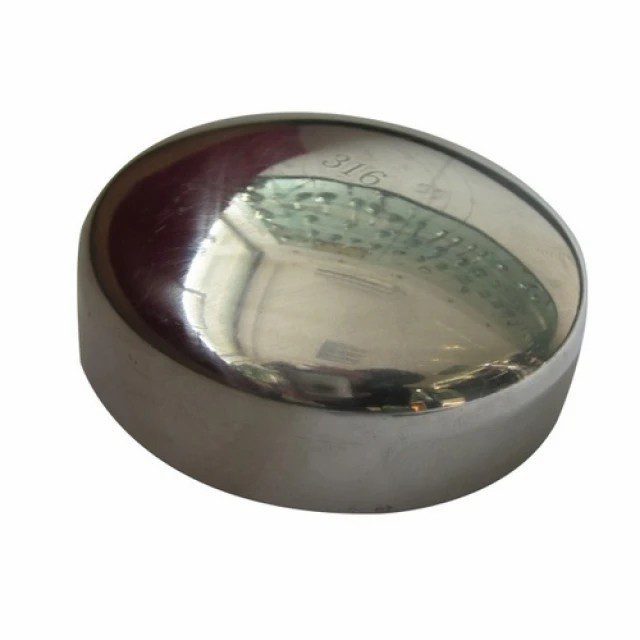
A stainless steel pipe end cap is a fitting installed at the end of a pipe to create a closed termination. Depending on the design, the cap may be welded, threaded, or connected using another suitable method.
Stainless steel is commonly selected because it offers good corrosion resistance, mechanical strength, durability, and resistance to many demanding operating environments. Stainless steel end caps can therefore be found in piping systems used for water, chemicals, food processing, pharmaceuticals, petrochemicals, and other industrial processes.
The appropriate end cap depends on the pipe material, outside diameter, wall thickness, connection method, pressure requirements, temperature, and characteristics of the medium being transported.
Stainless steel end caps are available in several designs to accommodate different piping requirements.
Butt weld end caps are designed to be welded directly to the end of a pipe. The matching pipe and fitting ends are prepared for welding, creating a permanent connection after installation.
These end caps are commonly used in industrial piping systems where a strong and relatively compact connection is required. Butt welding can also provide a smooth internal transition when properly installed, making this type suitable for many process piping applications.
Threaded stainless steel end caps feature internal or external threads that allow the fitting to be connected to a threaded pipe or component.
They can be useful when a piping system requires a removable closure rather than a permanent welded connection. Thread specifications should be matched carefully between the pipe and fitting to ensure proper installation and sealing.
Sanitary stainless steel end caps are designed for hygienic piping systems used in industries such as food and beverage, dairy, pharmaceutical, biotechnology, and cosmetics.
These fittings typically emphasize smooth surfaces, cleanability, and hygienic design. Depending on the system, sanitary end caps may use clamp, weld, or other sanitary connection methods.
Material selection is an important consideration when purchasing stainless steel end caps for pipes. Different stainless steel grades offer different levels of corrosion resistance and mechanical performance.
304 stainless steel is one of the most widely used stainless steel grades for general-purpose piping and fittings. It provides good corrosion resistance and mechanical properties for many water, food processing, architectural, and industrial applications.
For applications with moderate environmental and chemical exposure, 304 stainless steel can be a practical option.
316 stainless steel contains molybdenum, which generally provides improved resistance to certain corrosive environments compared with 304 stainless steel.
It is frequently selected for applications involving more demanding environments, including certain chemical processing, marine, pharmaceutical, and food processing applications.
The choice between 304 and 316 should be based on the actual operating environment rather than material preference alone.
Stainless steel end caps can be used in a wide range of piping systems.
In chemical processing, they may be used to close pipe sections exposed to chemicals or corrosive media. Material selection is particularly important because different chemicals can have significantly different effects on stainless steel.
In food and beverage processing, sanitary end caps can help close process lines while maintaining hygienic piping conditions. Smooth surfaces and suitable connection designs can make cleaning and maintenance easier.
In pharmaceutical and biotechnology facilities, stainless steel fittings are commonly used because piping systems may require corrosion resistance, cleanability, and controlled hygienic conditions.
In water treatment, stainless steel end caps can be used for various water piping and equipment connections where corrosion resistance and durability are required.
They can also be used in oil and gas, petrochemical, HVAC, industrial equipment, and general process piping depending on the specific design and operating requirements.
Selecting the correct end cap requires more than matching the pipe diameter. Buyers should evaluate several technical factors before placing an order.
The end cap must match the pipe dimensions and connection requirements. For butt weld applications, the outside diameter and wall thickness should be compatible with the pipe and welding procedure.
For threaded applications, buyers should verify the thread type, size, and compatibility between the fitting and mating component.
Incorrect dimensions can cause installation difficulties, poor alignment, or connection problems.
The stainless steel grade should be selected according to the operating environment. 304 may be suitable for many general applications, while 316 may be preferred when greater resistance to certain corrosive media is required.
Other stainless steel grades may also be available for specialized applications. Buyers should consider fluid composition, temperature, pressure, and environmental exposure when selecting the material.
The pressure and temperature conditions of the piping system should also be considered. The selected end cap needs to be suitable for the operating conditions of the complete piping system.
For higher-pressure applications, buyers should pay particular attention to fitting design, wall thickness, manufacturing method, material specifications, and applicable standards.
The connection method should match the piping system. Butt weld, threaded, clamp, and other connection types have different installation requirements.
For permanent industrial piping, welded end caps may be preferred in many applications. Threaded or sanitary connections can be more appropriate when installation, maintenance, or hygienic requirements call for a different approach.
Surface finish can be especially important for sanitary and process applications. A smooth, properly finished surface can reduce areas where contaminants or process residue may accumulate.
For general industrial applications, the required finish may be less demanding. Buyers should therefore select the surface treatment according to the application rather than applying the same specification to every piping system.
Stainless steel pipe end caps can be manufactured according to different dimensional and technical standards depending on the product type and target market.
For industrial butt weld fittings, standards such as ASME, ASTM, and related international specifications may be relevant. European projects may use EN or DIN standards, while sanitary fittings can follow industry-specific hygienic requirements.
Buyers should confirm the required standard before ordering and ensure that the manufacturer’s product dimensions and material specifications correspond to that standard.
It is also useful to request technical drawings, material information, dimensional specifications, and inspection documentation when required by the project.
Although stainless steel end caps and pipe plugs can both be used to close piping openings, they are not necessarily interchangeable.
An end cap is generally designed to fit over or connect to the end of a pipe, depending on its configuration. A pipe plug is typically inserted into or connected with an opening and may be designed for temporary or removable closure.
The choice depends on the piping design, installation method, pressure requirements, maintenance needs, and connection type.
Understanding the difference can help buyers avoid selecting a fitting that does not match the intended application.
Stainless steel offers several properties that make it suitable for pipe end fittings.
Corrosion resistance is one of the main advantages. Stainless steel can perform well in many environments where ordinary carbon steel may require additional protection.
Durability is another benefit. Properly selected stainless steel end caps can provide long-term service in industrial piping systems.
Stainless steel also offers good mechanical strength and temperature resistance, depending on the grade and product design. In addition, stainless steel fittings are available in different configurations, allowing them to be used across a wide range of piping systems.
For hygienic industries, stainless steel can also support piping designs that require smooth, cleanable surfaces.
When purchasing stainless steel end caps in bulk, selecting a capable manufacturer is as important as choosing the right product specification.
Buyers should evaluate the manufacturer’s experience with stainless steel pipe fittings, raw material control, machining and forming capabilities, welding processes, dimensional inspection, pressure testing, and final quality control.
For distributors and importers, production capacity and delivery reliability are also important. A manufacturer should be able to maintain consistent dimensions and material specifications across repeat orders.
OEM and customization capabilities may also be useful when buyers require specific dimensions, markings, surface finishes, packaging, or other product requirements.
Before placing a large order, buyers can request product samples, drawings, material certificates, inspection reports, and other relevant documentation to verify that the products meet their requirements.
Stainless steel end caps for pipes are versatile fittings used to close and terminate piping systems across industrial, sanitary, and commercial applications. Butt weld, threaded, and sanitary end caps can serve different installation and operating requirements, while 304 and 316 stainless steel provide options for different environments.
When selecting an end cap, buyers should consider pipe dimensions, material grade, pressure, temperature, connection method, surface finish, and applicable standards. For bulk purchasing, the manufacturer’s production capabilities, quality control, customization services, and delivery reliability should also be evaluated.
By matching the end cap design and material to the actual piping requirements, importers, distributors, engineers, and industrial users can select fittings that provide suitable performance and long-term reliability.
1. What are stainless steel end caps for pipes used for?
Stainless steel end caps are used to close or terminate the end of a pipe. They can help prevent fluids or gases from escaping and protect open pipe ends in industrial, sanitary, commercial, and process piping systems.
2. What are the common types of stainless steel pipe end caps?
Common types include butt weld end caps, threaded end caps, and sanitary end caps. The appropriate type depends on the piping system, connection method, application, and installation requirements.
3. What is the difference between 304 and 316 stainless steel end caps?
304 stainless steel provides good corrosion resistance for many general applications, while 316 stainless steel generally offers better resistance to certain corrosive environments. The appropriate material depends on the fluid, temperature, and operating environment.
4. How do I choose the right stainless steel end caps for pipes?
Consider the pipe size, wall thickness, stainless steel grade, pressure and temperature requirements, connection type, surface finish, and applicable standards. The end cap should be compatible with the complete piping system.
5. Can stainless steel end caps be welded to pipes?
Yes. Butt weld stainless steel end caps are specifically designed to be welded to the end of compatible pipes. They are commonly used where a permanent and strong connection is required.

STAINLESS STEEL&GENCEL;
Privacy Policy | SiteMap
Copyright GENCEL STAINLESS STEEL CO.,LIMITED
 Optimized by Seraphinite Accelerator