- Whatsapp: 8613738300923
- Email: [email protected]


Industrial ball valves play a critical role in controlling the flow of liquids and gases across various industries, including oil and gas, chemical processing, water treatment, power generation, food and beverage, and manufacturing. As essential components in piping systems, the quality, reliability, and performance of ball valves directly affect operational safety and efficiency.
Choosing the right Industrial Ball Valve Manufacturer is therefore a crucial decision for engineers, contractors, and procurement teams. A reliable manufacturer does more than supply valves—they provide consistent quality, technical expertise, customization options, and long-term support to ensure your project runs smoothly.
However, with many valve suppliers available in the global market, selecting the right partner can be challenging. Factors such as manufacturing capabilities, material quality, certifications, testing procedures, delivery capacity, and after-sales service should all be carefully evaluated.
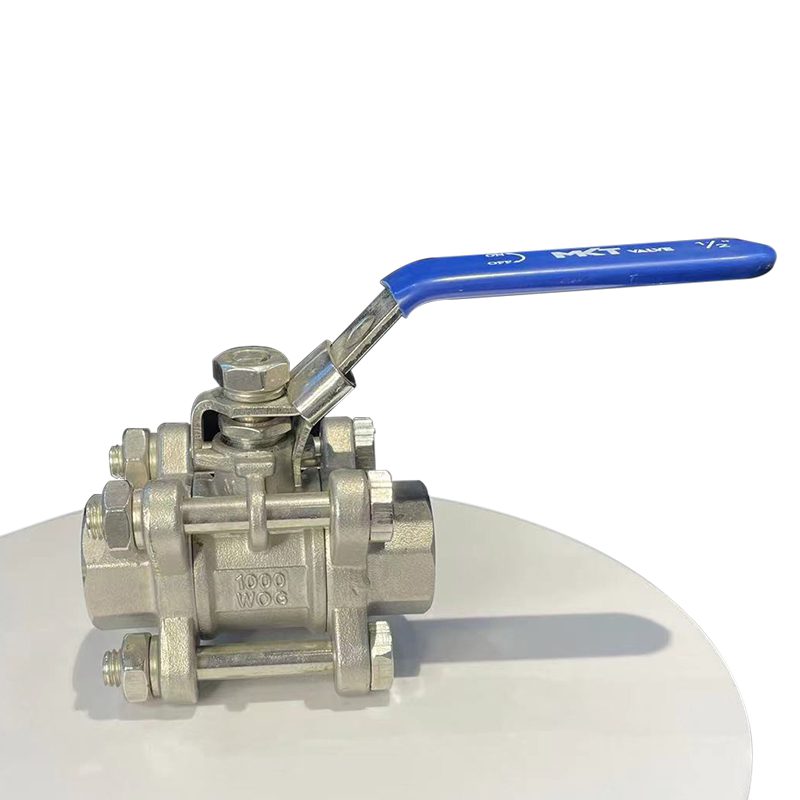
Before selecting a manufacturer, it is important to clearly define your project requirements. A suitable supplier should be able to provide valves that match your specific operating conditions.
Consider Your Application Environment
Different industries require different valve performance characteristics.
Important factors include:
Type of fluid or gas being controlled
Operating temperature
Working pressure
Corrosive conditions
Flow requirements
Installation environment
For example, chemical processing systems may require corrosion-resistant stainless steel valves, while water treatment systems may prioritize durability and cost efficiency.
Determine the Required Valve Type
Industrial ball valves are available in various designs, including:
Two-piece ball valves
Three-piece ball valves
Full port ball valves
Reduced port ball valves
Floating ball valves
Trunnion-mounted ball valves
A professional Industrial Ball Valve Manufacturer should help you select the most suitable valve design based on your application.
Identify Material Requirements
Common industrial ball valve materials include:
Stainless steel
Carbon steel
Brass
Alloy materials
Special corrosion-resistant materials
Material selection directly affects valve lifespan, corrosion resistance, and operating performance.
Experience is one of the most important factors when choosing an industrial valve supplier.
Manufacturing Experience
An experienced manufacturer usually has:
Advanced production processes
Skilled engineering teams
Better quality control systems
Knowledge of different industry requirements
Companies with years of valve manufacturing experience are more likely to understand complex project challenges and provide reliable solutions.
Industry Expertise
A manufacturer familiar with your industry can provide more valuable support.
For example:
Oil and gas applications require pressure-resistant valves
Chemical industries need corrosion-resistant solutions
Food industries require hygienic valve designs
Water treatment projects require reliable long-term operation
Choosing a manufacturer with relevant industry experience reduces project risks.
A reliable Industrial Ball Valve Manufacturer should have strong production capabilities to ensure stable quality and supply.
Evaluate whether the manufacturer has:
Modern machining equipment
Automated production lines
CNC processing capabilities
Assembly facilities
Testing equipment
Advanced manufacturing equipment helps maintain product consistency and accuracy.
Consider whether the supplier can meet your order requirements.
Important factors include:
Monthly production capacity
Lead times
Bulk order capability
Inventory management
A manufacturer with sufficient capacity can prevent project delays caused by supply shortages.
Many industrial projects require customized valve solutions.
A capable manufacturer should offer:
Customized dimensions
Special materials
Different connection types
Logo marking
Packaging customization
OEM and custom manufacturing capabilities are especially valuable for engineering projects and distributors.
Quality control is one of the most important indicators of a reliable valve manufacturer.
High-quality manufacturers inspect raw materials before production to ensure:
Correct material grades
Proper chemical composition
Reliable mechanical properties
During production, manufacturers should monitor:
Machining accuracy
Component dimensions
Assembly quality
Surface finishing
Industrial ball valves must undergo strict testing before delivery.
Common tests include:
Shell pressure testing
Seat leakage testing
Performance testing
Flow testing
These inspections ensure valves can operate safely under demanding conditions.
Look for manufacturers with recognized quality management systems, such as:
ISO 9001
CE certification
Industry-specific standards
Certifications demonstrate the manufacturer’s commitment to consistent quality and production control.
A professional manufacturer should provide a comprehensive product range and technical assistance.
A supplier offering multiple valve options can better support different projects.
Consider manufacturers that provide:
Different valve sizes
Various pressure ratings
Multiple connection options
Different materials
Technical support is valuable when selecting or customizing valves.
A reliable manufacturer should help with:
Product selection
Installation recommendations
Application analysis
Troubleshooting
Strong technical support reduces errors and improves system performance.
Project schedules often depend on reliable delivery.
Ask manufacturers about:
Standard production time
Custom order timelines
Shipping arrangements
Emergency supply options
A dependable manufacturer should have:
Stable raw material suppliers
Efficient production planning
Reliable logistics partnerships
This helps ensure consistent supply for long-term projects.
When purchasing industrial ball valves, buyers often choose between manufacturers and distributors.
| Feature | Industrial Ball Valve Manufacturer | Distributor |
| Product Customization | High | Limited |
| Technical Support | Strong | Moderate |
| Direct Communication | Yes | Usually Indirect |
| Pricing Control | Better | Higher Markups Possible |
| OEM Capability | Available | Limited |
| Bulk Orders | Suitable | Suitable |
For large industrial projects or customized requirements, working directly with a manufacturer often provides greater advantages.
Choosing Only Based on Price
The lowest price does not always mean the best value. Poor-quality valves may lead to leakage, downtime, and expensive repairs.
Ignoring Quality Certifications
Without proper quality control, valve performance and reliability may be inconsistent.
Not Checking Technical Support
A supplier without engineering support may not be able to solve application problems effectively.
Overlooking Manufacturing Capacity
A small supplier may struggle with large orders or urgent delivery requirements.
Failing to Request Product Testing
Testing samples or reviewing inspection reports helps verify product quality before large purchases.
Before placing an order, consider asking:
How many years of experience do you have in valve manufacturing?
What industries do you mainly serve?
What quality certifications do you have?
Can you provide customized ball valve solutions?
What testing procedures do you perform?
What is your production capacity?
Do you provide technical support after delivery?
Can you provide samples or product documentation?
The answers will help determine whether the manufacturer is suitable for your project.
Communicate Technical Requirements Clearly
Provide detailed information about:
Operating conditions
Material requirements
Standards
Application environment
Conduct Regular Quality Reviews
Long-term cooperation benefits from continuous quality monitoring and feedback.
Choose a Manufacturer That Grows With Your Business
A reliable supplier should be capable of supporting future projects, increased demand, and new applications.
What should I look for in an Industrial Ball Valve Manufacturer?
Look for manufacturing experience, quality certifications, production capacity, testing capabilities, customization options, and reliable technical support.
Why should I buy directly from an industrial ball valve manufacturer?
Direct purchasing usually provides better customization, technical communication, competitive pricing, and stronger supply reliability.
How can I verify the quality of a ball valve manufacturer?
Check certifications, factory capabilities, testing procedures, customer experience, and request product samples or inspection reports.
What industries use industrial ball valves?
Industrial ball valves are widely used in oil and gas, chemical processing, water treatment, power generation, food and beverage, pharmaceuticals, and manufacturing industries.
Can industrial ball valve manufacturers provide customized solutions?
Yes. Many professional manufacturers offer OEM and customized valve solutions based on specific project requirements.
How important is after-sales support?
After-sales support is essential for installation guidance, troubleshooting, spare parts supply, and maintaining long-term valve performance.
Choosing the right Industrial Ball Valve Manufacturer is a critical step in ensuring the safety, efficiency, and reliability of your piping system. The ideal supplier should offer high-quality products, strong manufacturing capabilities, strict quality control, technical expertise, and dependable customer support.
Rather than focusing only on initial price, businesses should evaluate the manufacturer’s overall value, including product performance, service capability, delivery reliability, and long-term partnership potential.
By carefully assessing these factors, you can select an industrial ball valve manufacturer that meets your project requirements, reduces operational risks, and provides reliable valve solutions for years to come.



STAINLESS STEEL&GENCEL;
Privacy Policy | SiteMap
Copyright GENCEL STAINLESS STEEL CO.,LIMITED
 Optimized by Seraphinite Accelerator