- Whatsapp: 8613738300923
- Email: [email protected]


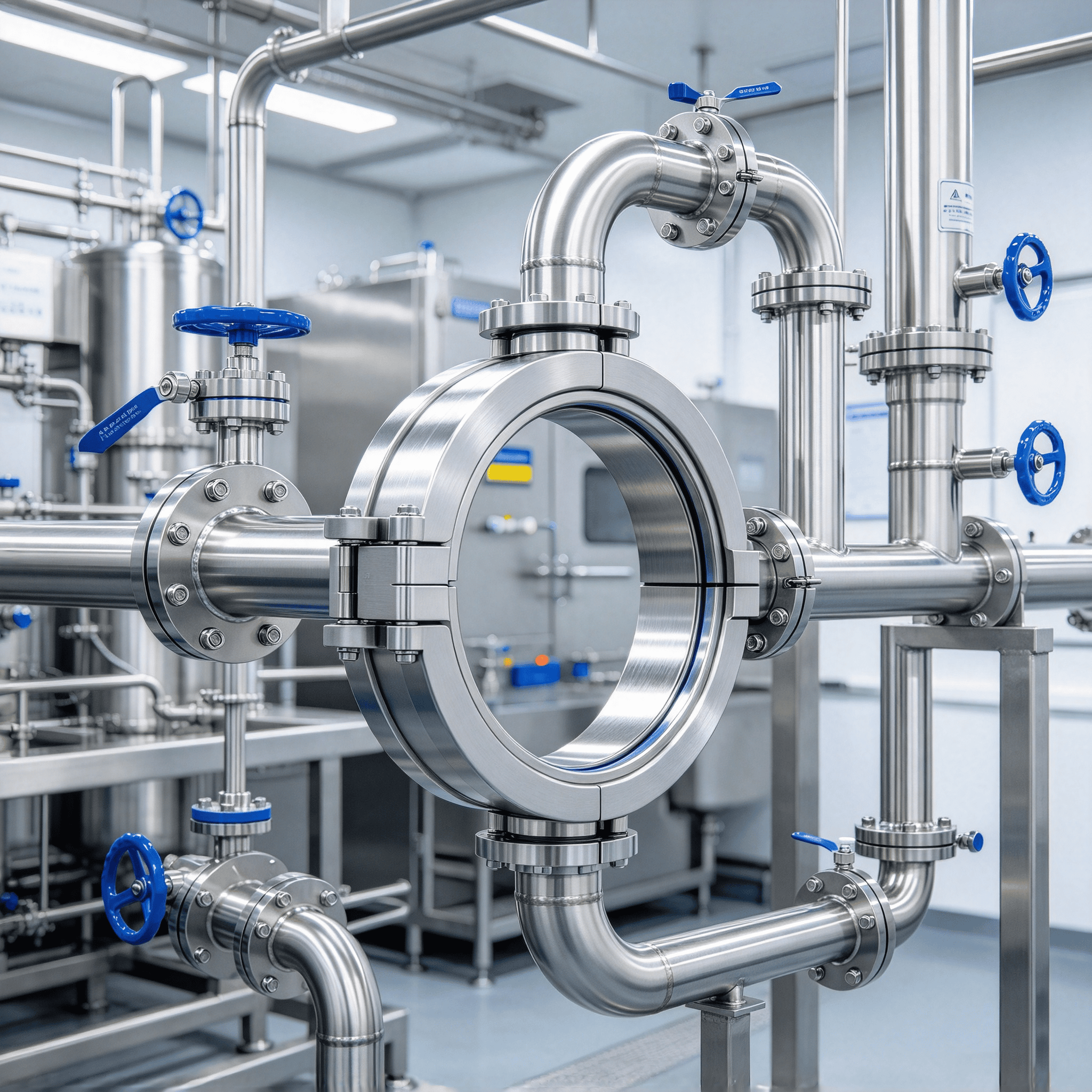
Choosing the right China Sanitary Pipe Fitting supplier is an important step for businesses that need reliable hygienic piping components for food processing, beverage production, dairy manufacturing, pharmaceutical production, biotechnology, and cosmetics applications. Sanitary pipe fittings connect different sections of a piping system while helping maintain hygienic conditions, fluid flow efficiency, and ease of cleaning.
China has a broad manufacturing base for stainless steel sanitary pipe fittings, offering various product types, material grades, dimensions, and connection options. However, product quality, manufacturing processes, surface finish, dimensional accuracy, and quality control can vary between suppliers. Understanding the relevant quality standards and purchasing requirements helps buyers make informed sourcing decisions.

China sanitary pipe fittings are hygienic piping components manufactured by Chinese suppliers for applications where cleanliness, corrosion resistance, and reliable fluid transfer are important. They are commonly produced from stainless steel and designed to connect, redirect, branch, reduce, or terminate piping systems.
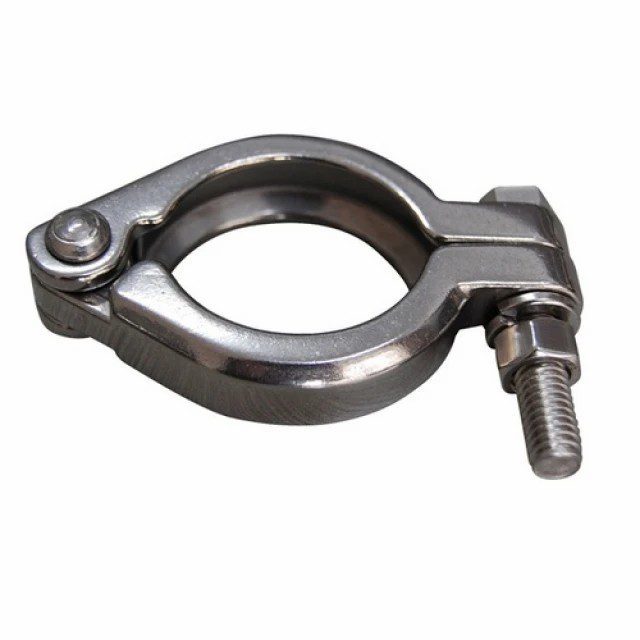
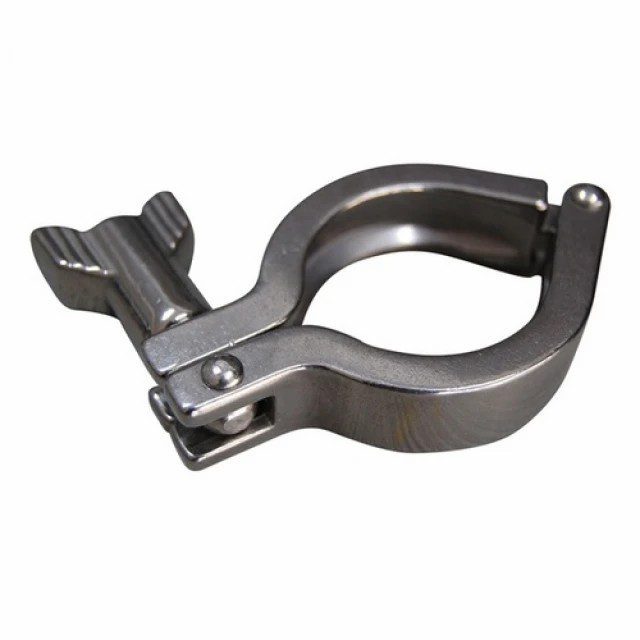
Common types include sanitary elbows, tees, reducers, clamps, ferrules, unions, and end caps. Each component serves a specific function within a hygienic piping system. For example, sanitary elbows change the direction of flow, tees create branch connections, and reducers connect pipes with different diameters.
These fittings are widely used in industries that require regular cleaning and controlled production conditions. Their suitability depends on the material grade, internal surface finish, connection design, dimensional compatibility, and the cleaning procedures used in the facility.
Material selection is one of the most important purchasing considerations because it affects corrosion resistance, service life, maintenance requirements, and compatibility with the process medium.
304 stainless steel is widely used in general food processing, beverage production, and other applications where moderate corrosion resistance is sufficient. It offers a practical balance between performance, availability, and cost.
316L stainless steel contains molybdenum and has improved resistance to certain corrosive environments compared with 304 stainless steel. Its low carbon content also helps reduce the risk of sensitization during welding. It is often selected for pharmaceutical, chemical, and demanding food-processing applications.
However, neither grade is suitable for every operating environment. Buyers should evaluate the process medium, chloride concentration, cleaning chemicals, temperature, and exposure conditions before selecting a material.
When purchasing sanitary pipe fittings from China, request material certificates where required and confirm that the supplied material grade matches the purchase specification. Traceability may also be important for regulated industries or projects with strict documentation requirements.
Quality standards help buyers evaluate whether sanitary pipe fittings meet the dimensional, material, hygienic, and performance requirements of their applications. The appropriate standards depend on the industry, destination market, piping design, and customer specifications.
Several standards and specifications may be relevant:
ASME BPE:Provides requirements for bioprocessing equipment and hygienic components used in applications such as pharmaceutical and biotechnology manufacturing.
3-A Sanitary Standards:Address hygienic design and sanitary equipment requirements for applicable food, dairy, and related processing applications. Certification or acceptance depends on the specific product and applicable standard.
ASTM material standards:Relevant ASTM specifications can help define stainless steel material composition and mechanical properties. The exact specification must match the product form and application.
ISO standards:Applicable ISO standards may support quality management, manufacturing control, or other project requirements. ISO 9001 certification, for example, relates to a manufacturer’s quality management system rather than proving that every product meets a particular sanitary specification.
ASME B16.5 or B16.9:These standards address specific types of industrial flanges and butt-welding fittings, respectively. They should not automatically be treated as sanitary fitting standards; their relevance depends on the actual component and piping design.
Buyers should distinguish between a manufacturer holding a management-system certificate and a product complying with a specific technical standard. Before placing an order, identify the exact standard, edition, dimensional requirements, material specifications, surface finish, and documentation required for the project.
Surface finish is a critical factor in sanitary pipe fitting quality. Rough surfaces, crevices, poorly finished welds, and unsuitable connection designs can make cleaning more difficult and increase the risk of product residue accumulation.
For applications involving food, beverages, pharmaceuticals, or biotechnology, buyers should specify the required internal surface roughness when applicable. Surface roughness is commonly expressed as Ra, but the acceptable value depends on the process, governing standard, and customer requirements. A particular Ra value should not be assumed to apply to every sanitary piping system.
Hygienic design also involves more than surface polishing. Buyers should check the internal geometry, joint alignment, gasket compatibility, drainage characteristics, and potential dead spaces. Components should be compatible with the cleaning-in-place (CIP) or sterilization-in-place (SIP) procedures used by the facility when these processes are required.
When evaluating a China sanitary pipe fitting supplier, request relevant surface finish specifications, inspection records, and product drawings. For demanding applications, confirm whether the manufacturer can provide the required polishing process and verify the finished surface against agreed acceptance criteria.
Sanitary pipe fittings must fit the existing piping system correctly. Differences in outside diameter, wall thickness, ferrule dimensions, connection profiles, or manufacturing tolerances can lead to installation problems and leakage risks.
Before purchasing, confirm the applicable dimensional system and connection standard. Depending on the project, fittings may need to comply with ASME BPE, ISO, DIN, or other specified requirements. These systems should not be assumed to be interchangeable without checking the relevant dimensions.
Connection type is another important consideration. Common options include clamp connections, butt-weld connections, threaded connections, and other application-specific designs. Clamp connections allow convenient disassembly, while butt-weld connections can provide permanent joints when properly designed and welded. The appropriate choice depends on hygiene requirements, maintenance access, operating conditions, and system design.
Buyers should provide detailed drawings or specifications when ordering customized fittings. Confirming dimensions, tolerances, and connection details before production helps reduce errors, rework, and delays.
Selecting a reliable manufacturer involves evaluating technical capability, quality management, production consistency, and communication. A competitive quotation alone does not guarantee that a supplier can meet the project’s requirements.
First, review the manufacturer’s product range and industry experience. A supplier with experience in sanitary elbows, tees, reducers, ferrules, clamps, and related components may be better equipped to support a complete hygienic piping project.
Second, examine the quality control process. Ask how the manufacturer verifies raw materials, dimensions, surface finish, welding quality where applicable, and final product conformity. Depending on the product, relevant inspection methods may include dimensional measurement, visual inspection, material verification, surface roughness measurement, and pressure or leak testing where appropriate.
Third, check manufacturing capacity and customization capabilities. Buyers with recurring orders may need stable production schedules, consistent specifications, private labeling, customized dimensions, or special packaging. Confirm minimum order quantities, sample availability, lead times, and the supplier’s ability to maintain consistent quality across batches.
Finally, evaluate documentation and communication. A reliable supplier should be able to clarify technical questions, confirm specifications in writing, and provide the inspection records and material documentation agreed upon in the purchase contract.
A clear purchasing specification helps both the buyer and manufacturer understand the required product. Before requesting a quotation, prepare the key technical and commercial details.
Product type and quantity:Specify whether you need elbows, tees, reducers, ferrules, clamps, unions, end caps, or other components, together with the required quantities.
Material grade:Identify the required stainless steel grade, such as 304 or 316L, and state any material certification or traceability requirements.
Dimensions and standards:Provide pipe sizes, wall thicknesses, connection types, dimensional standards, tolerances, and technical drawings where necessary.
Surface finish:Define the required internal and external finish, including the specified Ra value if applicable.
Operating conditions:Explain the process medium, working temperature, pressure, and cleaning or sterilization conditions so the supplier can assess suitability.
Quality documentation:Identify the required material certificates, inspection reports, compliance documents, and product test records.
Commercial terms:Confirm pricing, minimum order quantity, production lead time, packaging, shipping terms, payment conditions, and warranty arrangements.
It is also advisable to approve samples or first-article inspection results before proceeding with a large production order when dimensional accuracy or surface quality is particularly important.
International sourcing involves risks related to product inconsistency, communication gaps, shipping delays, and differences between quoted specifications and delivered goods. Buyers can reduce these risks by establishing clear requirements before production begins.
Use a written purchase specification that identifies materials, dimensions, standards, surface finish, inspection methods, and acceptance criteria. Avoid relying on general descriptions such as “food-grade stainless steel” or “high-quality sanitary fittings” without supporting technical details.
For important orders, consider pre-shipment inspection or third-party quality verification. Inspection scope should be agreed in advance and may include quantity checks, dimensional sampling, material documentation, surface condition, packaging, and other product-specific requirements.
Packaging is also important. Sanitary fittings should be protected from scratches, contamination, moisture, and damage during transportation. Protective caps, suitable separators, clean packaging materials, and clear product identification can help preserve product condition before installation.
Finally, confirm that the manufacturer can support repeat orders with consistent specifications. Maintaining approved drawings, material requirements, inspection records, and product identification details makes future purchasing easier and more predictable.
Purchasing China Sanitary Pipe Fitting products requires more than comparing prices. Buyers should evaluate material grades, applicable quality standards, surface finish, hygienic design, dimensional accuracy, connection compatibility, and the manufacturer’s quality control capabilities.
A clear technical specification and a structured supplier evaluation process can help businesses reduce sourcing risks and obtain sanitary pipe fittings that meet their application requirements. By confirming standards, documentation, inspection criteria, and delivery arrangements before production, international buyers can establish more reliable long-term relationships with Chinese manufacturers.
If you are sourcing stainless steel sanitary pipe fittings for food processing, dairy, beverage, pharmaceutical, or other hygienic applications, prepare your technical requirements and request detailed product specifications from potential suppliers before placing an order.
1.What are China sanitary pipe fittings used for?
China sanitary pipe fittings are used to connect, redirect, branch, or terminate piping systems in food processing, beverage production, dairy manufacturing, pharmaceutical, biotechnology, and cosmetics industries. They help maintain hygienic conditions and support efficient fluid transfer.
2.What materials are commonly used for China sanitary pipe fittings?
The most common materials are 304 and 316L stainless steel. Grade 304 is suitable for many general hygienic applications, while 316L offers improved resistance to certain corrosive environments and is often selected for more demanding processing conditions.
3.What quality standards should sanitary pipe fittings meet?
Applicable requirements may include ASME BPE, 3-A Sanitary Standards, relevant ASTM material specifications, and project-specific ISO or DIN standards. Buyers should confirm the exact standard and edition required for their application rather than assuming all standards apply to every fitting.
4.How do I choose a reliable China sanitary pipe fitting manufacturer?
Evaluate the manufacturer’s production capabilities, material traceability, dimensional accuracy, surface finishing processes, quality control procedures, customization services, and export experience. Request product specifications and relevant inspection documents before placing an order.
5.Why is surface finish important for sanitary pipe fittings?
A suitable surface finish helps reduce areas where product residues and contaminants may accumulate, making cleaning easier. The required surface roughness depends on the application, applicable standards, and cleaning procedures.

STAINLESS STEEL&GENCEL;
Privacy Policy | SiteMap
Copyright GENCEL STAINLESS STEEL CO.,LIMITED
 Optimized by Seraphinite Accelerator