- Whatsapp: 8613738300923
- Email: [email protected]


Stainless steel pipes are widely used in industries where strength, corrosion resistance, hygiene, and long-term reliability are essential. They are commonly found in chemical processing, oil and gas, food and beverage, pharmaceutical production, water treatment, construction, marine engineering, and industrial piping systems. Because pipe failure can lead to leakage, production downtime, safety risks, and costly maintenance, product quality should be a major consideration when choosing a supplier.
A professional stainless steel pipe company does more than manufacture pipes according to basic specifications. It establishes a complete quality control system covering raw materials, manufacturing processes, dimensional accuracy, surface quality, mechanical performance, testing, packaging, and final inspection.
Understanding how a professional stainless steel pipe company controls quality can help buyers make better sourcing decisions and build reliable long-term supply relationships.
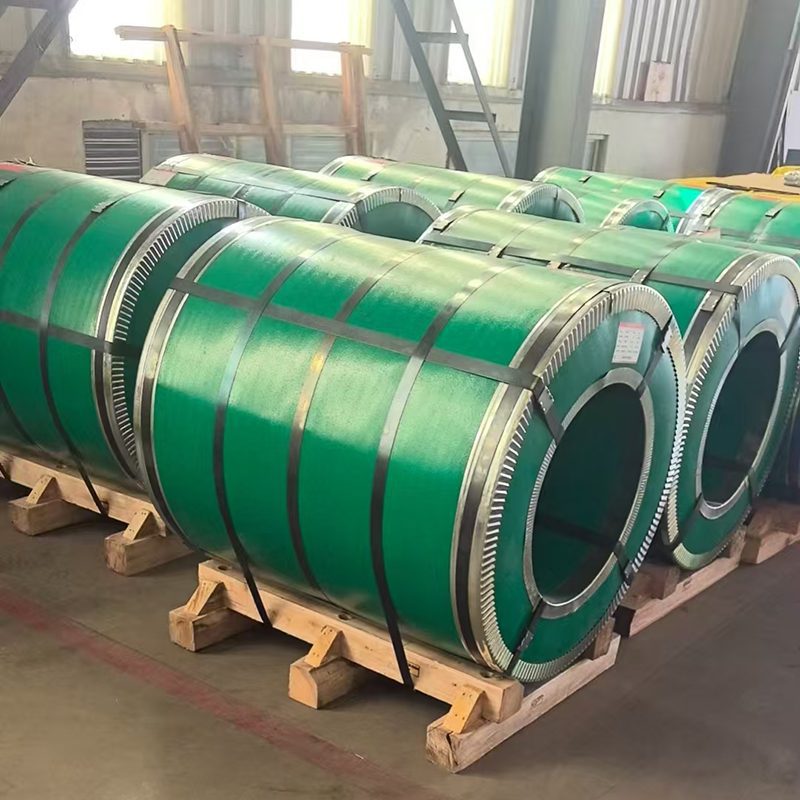
Product quality starts with the raw material. A professional stainless steel pipe company carefully selects stainless steel grades according to the intended application and required performance.
Common grades such as 304 and 316 stainless steel offer different levels of corrosion resistance and chemical performance. Other stainless steel grades may be selected for applications requiring higher temperature resistance, mechanical strength, or specific chemical properties.
Before production begins, the manufacturer should verify important information such as material grade, chemical composition, thickness, and material certificates. Incoming raw materials can also be inspected to ensure they meet the required standards and purchase specifications.
Strict control of raw materials helps prevent problems from entering the manufacturing process at an early stage.
A reliable stainless steel pipe company uses controlled manufacturing processes to maintain consistent product quality. Depending on the pipe type, production may involve forming, welding, heat treatment, sizing, straightening, cutting, surface treatment, and other processes.
Each stage can affect the final performance of the pipe. For welded stainless steel pipes, for example, welding parameters need to be properly controlled to achieve consistent weld quality and structural integrity.
Professional manufacturers establish production procedures and inspection requirements for different processes. Operators and quality control personnel monitor critical production parameters to reduce dimensional variation, surface defects, welding problems, and other manufacturing issues.
Process control is particularly important for large-volume orders because consistent manufacturing helps ensure that every batch meets the same requirements.
Dimensional accuracy is another important part of stainless steel pipe quality. Even when the material and manufacturing process are correct, pipes that do not meet dimensional requirements may cause installation and connection problems.
A professional manufacturer checks parameters such as:
Outside diameter
Wall thickness
Pipe length
Roundness
Straightness
Weld dimensions where applicable
End condition
Inspection equipment is used to verify that products remain within the specified tolerances. Proper dimensional control helps ensure compatibility with fittings, valves, flanges, and other components used in industrial piping systems.
For customers with customized requirements, manufacturers should also be able to produce pipes according to specific dimensions and technical drawings.
Surface condition is especially important for stainless steel pipes because the surface can affect corrosion resistance, cleanliness, appearance, and suitability for specific applications.
A professional stainless steel pipe company carefully inspects pipes for visible defects such as scratches, cracks, dents, pits, scale, weld irregularities, and other surface imperfections.
Depending on the application, different surface finishes may be required. For example, industrial applications may prioritize functional performance, while food processing, pharmaceutical, and architectural applications may require a cleaner and more uniform surface.
Proper surface treatment and inspection help ensure that the finished pipes meet both technical and appearance requirements.
Quality control should not rely only on visual inspection. Professional stainless steel pipe manufacturers use appropriate testing methods to verify the physical and mechanical properties of their products.
Depending on the product specification and application, testing may include tensile testing, hardness testing, flattening testing, flaring testing, hydrostatic testing, or other applicable inspections.
These tests help determine whether the pipe can withstand the mechanical stresses and operating conditions expected in service.
For industrial buyers, testing is particularly important when stainless steel pipes are used in high-pressure, high-temperature, corrosive, or safety-critical environments.
Non-destructive testing can provide additional information about the internal or structural condition of stainless steel pipes without damaging the products.
Depending on the pipe type and applicable standards, manufacturers may use methods such as eddy current testing, ultrasonic testing, radiographic testing, or other inspection techniques.
These methods can help identify potential defects that may not be visible during a conventional surface inspection.
A professional stainless steel pipe company determines the appropriate testing method based on product specifications, manufacturing technology, customer requirements, and applicable industry standards.
Professional manufacturers understand that different markets and industries may have different requirements for stainless steel pipes.
Products may need to comply with applicable ASTM, ASME, EN, DIN, JIS, or other standards depending on the destination market and application.
However, compliance is not simply about placing a standard number on a product document. The manufacturing process, material selection, dimensional tolerances, testing procedures, and inspection records should all be aligned with the relevant requirements.
A reliable supplier should also review customer drawings, technical specifications, inspection requirements, and packaging instructions before production to ensure the order is manufactured correctly.
Traceability is an important characteristic of a professional quality management system.
A reliable stainless steel pipe company should be able to connect finished products with important production information, such as raw material batches, production dates, inspection results, and relevant quality records.
Traceability makes it easier to investigate quality issues and identify affected products if a problem occurs. It also provides customers with greater confidence when purchasing stainless steel pipes for large industrial projects.
For long-term B2B cooperation, good traceability can make quality management more efficient for both the manufacturer and the customer.
Even after quality inspections during production, finished pipes should undergo final inspection before shipment.
Final quality control may include checking product quantity, dimensions, surface condition, markings, packaging, material identification, and documentation.
The manufacturer should also confirm that the finished products match the customer’s purchase order and technical requirements.
This final inspection acts as the last quality checkpoint before products leave the factory and helps reduce the risk of receiving incorrect or non-conforming products.
Product quality can be affected after manufacturing if pipes are not handled, packaged, or transported correctly.
A professional stainless steel pipe company considers the transportation method and destination when designing packaging. Pipes should be properly bundled and protected against impacts, contamination, moisture, and unnecessary surface damage during loading, transportation, and storage.
For stainless steel products, preventing contamination from unsuitable materials is also important because surface contamination can negatively affect appearance and corrosion performance.
Proper packaging therefore forms an important part of the overall quality assurance process rather than being simply a logistics requirement.
Quality systems ultimately depend on people. Experienced production workers, engineers, inspectors, and quality management personnel play an important role in maintaining stable manufacturing performance.
A professional stainless steel pipe company should have clearly defined quality responsibilities and inspection procedures. Staff should understand product specifications, production requirements, inspection methods, and customer expectations.
Continuous training and process improvement can also help manufacturers identify recurring problems and improve production efficiency and product consistency over time.
For industrial buyers, product documentation can be just as important as the physical pipe.
Depending on the order requirements, a professional manufacturer may provide documents such as material certificates, inspection reports, test results, dimensional records, and certificates of conformity.
Clear documentation allows customers to verify that the products meet the agreed requirements and can be particularly important for engineering projects that require quality records for installation, commissioning, and future maintenance.
Choosing a stainless steel pipe company based only on price can create unnecessary risks. Low-quality pipes may result in premature corrosion, dimensional problems, leakage, installation difficulties, or unexpected replacement costs.
A professional supplier focuses on the entire product lifecycle, from raw material selection to manufacturing, testing, inspection, packaging, and after-sales support.
For buyers, important factors to evaluate include manufacturing capabilities, stainless steel grades, quality control procedures, testing equipment, applicable certifications, production capacity, traceability, customization capabilities, and previous experience with similar applications.
A supplier that can demonstrate a systematic approach to quality control is generally better positioned to provide stable and reliable products for long-term industrial use.
A professional stainless steel pipe company ensures product quality through a combination of high-quality raw materials, controlled manufacturing processes, dimensional inspection, surface inspection, mechanical testing, non-destructive testing, standards compliance, batch traceability, final inspection, and proper packaging.
For industrial buyers, understanding these quality control practices is essential when evaluating potential suppliers. Instead of focusing only on unit price, businesses should consider the manufacturer’s production capabilities, quality management system, testing procedures, technical expertise, and ability to provide consistent products over the long term.
By choosing a reliable stainless steel pipe company with a comprehensive quality assurance system, buyers can reduce procurement risks, improve project reliability, and achieve better long-term value.
How does a professional stainless steel pipe company ensure product quality?
A professional stainless steel pipe company controls quality throughout the entire production process, from raw material selection and manufacturing to dimensional inspection, surface inspection, mechanical testing, final inspection, and packaging. A systematic quality control process helps ensure consistent performance and compliance with customer requirements.
What stainless steel grades do pipe companies commonly offer?
Common stainless steel pipe grades include 304 and 316 stainless steel, while some manufacturers also supply other grades for specific applications. The appropriate grade depends on factors such as corrosion resistance, temperature, pressure, chemical exposure, and industry requirements.
What quality tests are performed on stainless steel pipes?
Depending on the product and applicable standards, testing may include tensile testing, hardness testing, hydrostatic testing, flattening testing, dimensional inspection, surface inspection, and non-destructive testing such as ultrasonic or eddy current testing.
How can I verify the quality of a stainless steel pipe supplier?
Buyers can evaluate a supplier by checking its manufacturing capabilities, quality control procedures, testing equipment, certifications, material traceability, inspection reports, production experience, and ability to meet international standards and customer specifications.
Can a stainless steel pipe company provide customized pipes?
Yes. Many professional stainless steel pipe manufacturers can provide customized products based on requirements such as pipe diameter, wall thickness, length, stainless steel grade, surface finish, and applicable standards. Buyers should provide detailed technical specifications before production.



STAINLESS STEEL&GENCEL;
Privacy Policy | SiteMap
Copyright GENCEL STAINLESS STEEL CO.,LIMITED
 Optimized by Seraphinite Accelerator