- Whatsapp: 8613738300923
- Email: [email protected]


Welcome to the world of GENCEL Stainless Steel Ball Valve Factory. If you’re sourcing stainless steel ball valves for industrial or sanitary applications, you know how crucial it is to pick the right manufacturer. From materials to certifications and practical applications, this guide will walk you through everything you need to make informed choices. By the end, you’ll understand why high-quality stainless steel ball valves are essential for your projects and how to evaluate the right solutions for your needs.
When it comes to stainless steel ball valves, materials make all the difference. GENCEL Stainless Steel offers a wide range of alloys including 304, 304L, 316L, 321, 310S, S31803, S32750, S32760, 904L, and C276. Each material is selected for its durability, corrosion resistance, and suitability in different operating conditions.
For example, 316L is often chosen for pharmaceutical and food processing applications because of its superior resistance to corrosion and easy cleaning properties. On the other hand, duplex stainless steels like S31803 and S32750 are preferred in chemical processing where high strength and corrosion resistance are required.
Using the right material isn’t just a technical detail; it directly affects performance, safety, and longevity. Imagine investing in a project only to find valves failing prematurely – that’s why understanding materials is so critical.
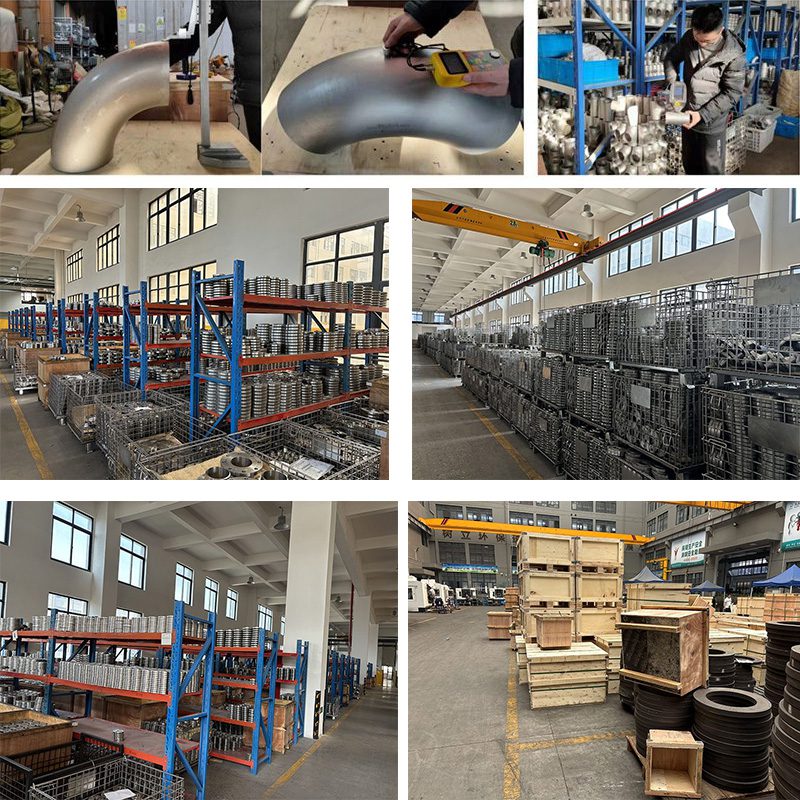
GENCEL ball valves meet international standards including 3A, ISO, and TST, ensuring they perform reliably under strict operating conditions. Every valve undergoes rigorous testing for pressure, leak-proof operation, and material integrity.
Certifications aren’t just labels; they give you confidence that the products are tested against real-world scenarios. When your team installs these valves, you know they can withstand daily industrial use or stringent sanitary requirements.
Whether you need single-port, multi-port, flanged, or welded ball valves, GENCEL offers a range of configurations to suit different piping systems. Valves are designed for easy installation, smooth operation, and long-term reliability.
| Item | Material | Certification | Port Type | Connection | Applications |
| Ball Valve | 304/316L | 3A, ISO | Single, Multi | Flanged, Welded | Food, Pharma, Chemical, Water |
| Ball Valve | 321, 310S | TST | Single, Multi | Flanged | Industrial Fluid Control |
| Ball Valve | S31803, S32750 | ISO | Multi | Welded | High-Pressure Chemical Applications |
| Ball Valve | S32760, 904L | 3A | Single | Flanged | Corrosive Media Handling |
Each configuration is carefully engineered to meet diverse flow control needs. You’ll notice the flexibility – you’re not limited to standard options, and can choose based on your system’s demands.
You might wonder, “Where exactly can I use these valves?” The short answer: almost anywhere fluid control matters.
Industrial applications include chemical plants, petrochemical pipelines, water treatment systems, and HVAC operations. For sanitary-grade valves, think of food and beverage processing, pharmaceuticals, and biotech industries. The ability to handle aggressive fluids, high temperatures, and sanitary requirements makes these valves versatile.
Imagine a beverage line where hygiene is non-negotiable. A sanitary stainless steel ball valve ensures that the flow is smooth, leak-free, and easy to clean. Or consider a chemical plant: a high-strength duplex valve resists corrosion and maintains performance even under harsh chemicals.
In short, choosing the right valve material and design affects not only process efficiency but also safety and compliance. That’s why being informed about applications before making a purchase is key.
Sometimes standard options just don’t cut it. Customizable valves allow you to tailor dimensions, port configurations, and materials to your system. Whether your pipeline requires unusual dimensions or a specialized material like 904L for extreme corrosion resistance, customization ensures a perfect fit.
It’s worth noting that custom solutions don’t mean compromises. Each valve is still manufactured under strict quality checks. For instance, one client in the food industry needed a valve with a unique tri-clamp connection for automated cleaning. Custom design made it possible without sacrificing durability or certification standards.
Quality control is where your investment pays off. GENCEL Stainless Steel Ball Valves undergo extensive testing throughout production. Every valve is inspected for material integrity, dimensional accuracy, pressure resistance, and leak-proof operation.
This multi-step quality control ensures consistent performance, whether the valve ends up in a chemical reactor or a beverage line. Your team can rely on tested and certified valves, reducing the risk of downtime and maintenance issues.
Key points of the process:
● Each valve is traceable from raw material to finished product
● International standard compliance ensures reliability
● Rigorous testing replicates real-world operational stresses
● Certified materials maintain safety and hygiene standards
GENCEL Stainless Steel has supplied valves for a wide range of projects around the globe. From high-pressure chemical plants in Europe to sanitary applications in Southeast Asia, the valves consistently meet expectations.
What materials are available for stainless steel ball valves
● Materials include 304, 304L, 316L, 321, 310S, S31803, S32750, S32760, 904L, and C276.
Can I get sanitary valves for food or pharmaceutical applications?
● Yes, sanitary-grade valves meet 3A and ISO standards.
Are custom designs available?
● Absolutely. Non-standard configurations and special materials can be accommodated.
Which industries use stainless steel ball valves?
● Food & beverage, pharmaceuticals, chemicals, water treatment, HVAC, and more.
What certifications do your valves hold?
● 3A, ISO, TST certifications ensure quality and compliance.
Are valves suitable for high-pressure applications?
● Duplex and high-alloy stainless steels are designed for high-pressure systems.
Is material selection important?
● Critical. Material determines corrosion resistance, durability, and suitability.
Can valves be welded or flanged?
● Both options are available depending on your piping system.
Are there differences between industrial and sanitary valves?
● Yes, sanitary valves focus on cleanliness, leak-proofing, and smooth flow.
Can stainless steel valves handle corrosive media?
● High-alloy options like 904L and duplex stainless steels are designed for corrosive fluids.
Can valves operate at high temperatures?
● Yes, depending on material and design, valves withstand elevated temperatures.
Are valves easy to install?
● Yes, designs consider ease of installation and maintenance.
Choosing the right stainless steel ball valve makes all the difference in your system’s efficiency, safety, and longevity. GENCEL Stainless Steel provides high-quality valves with diverse materials, certifications, and practical applications to meet your specific needs. By understanding materials, configurations, and proper use, you can confidently select the valves that support your operations. Explore
the range, ask questions, and ensure your project flows smoothly with reliable solutions.



STAINLESS STEEL&GENCEL;
Privacy Policy | SiteMap
Copyright GENCEL STAINLESS STEEL CO.,LIMITED
 Optimized by Seraphinite Accelerator