- Whatsapp: 8613738300923
- Email: [email protected]


High pressure clamps are essential fastening components in industrial piping systems, hydraulic equipment, fluid transfer assemblies, and various mechanical installations. They help secure pipes, hoses, and fittings while maintaining connection stability under demanding operating conditions. However, even a high-quality clamp can experience performance problems or premature failure if it is improperly selected, installed, or maintained.
High pressure clamp failure can lead to fluid leakage, connection loosening, equipment downtime, and increased maintenance costs. In more demanding applications, a failed connection may also create serious operational and safety risks.
Understanding the common causes of high pressure clamp failure is essential for engineers, maintenance teams, equipment manufacturers, and purchasing professionals. This article examines the major factors behind clamp failure and provides practical prevention measures to improve connection reliability and service life.
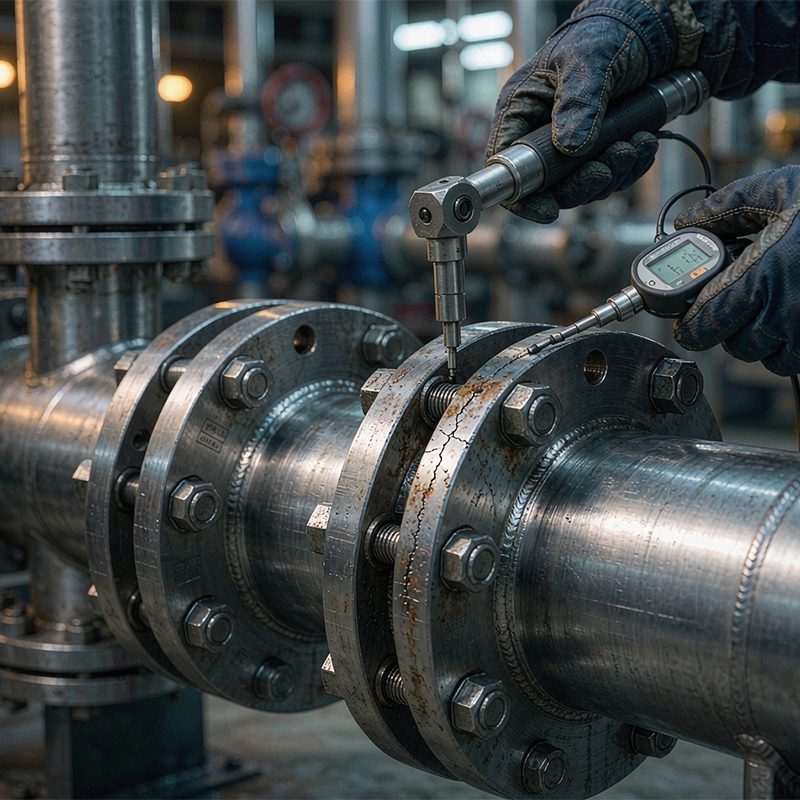
High pressure clamp failure occurs when a clamp can no longer perform its intended fastening or connection-support function under specified operating conditions.
Depending on the clamp design and application, failure may involve structural deformation, bolt loosening, material corrosion, locking mechanism damage, or loss of connection stability.
Common warning signs include:
Visible cracks, bending, or deformation.
Loose bolts, nuts, or locking components.
Fluid leakage around connected components.
Corrosion or surface deterioration.
Damaged threads or fastening elements.
Unusual vibration or movement around the connection.
Identifying these warning signs early can help maintenance teams prevent more serious equipment problems.
Several factors can affect the performance and reliability of high pressure clamps. In many cases, failure results from a combination of material limitations, installation errors, and operating conditions.
Incorrect Clamp Selection
Selecting an unsuitable clamp is one of the most common causes of premature failure. Different clamps are designed for different connection structures, pressure levels, pipe dimensions, and working environments.
For example, a general-purpose hose clamp may not provide the mechanical strength or retention capability required for a high-pressure hydraulic hose assembly. Similarly, a sanitary clamp designed for a specific ferrule connection may not be interchangeable with other connection systems.
How to prevent it:
Before purchasing, evaluate the maximum working pressure, connection type, pipe or hose dimensions, and operating environment. Confirm that the selected clamp is specifically designed and rated for the intended application. For critical systems, verify the specifications of the complete connection assembly rather than relying on the clamp’s appearance or material alone.
Excessive Operating Pressure
High pressure clamps must operate within their specified pressure limits. When system pressure exceeds the rated capacity of the connection assembly, excessive mechanical loads may develop.
Repeated pressure surges can also create additional stress on clamps, fasteners, gaskets, and connected components. Over time, these conditions may contribute to deformation, leakage, or structural damage.
How to prevent it:
Determine the normal operating pressure, maximum allowable pressure, and potential pressure spikes before selecting a clamp. Use pressure-rated components that meet the system requirements and install appropriate pressure control and protection devices where necessary.
Improper Installation and Tightening
Incorrect installation can significantly reduce clamp performance. Under-tightening may result in insufficient fastening force, allowing connected components to move or leak. Excessive tightening can damage threads, deform clamp structures, compress gaskets improperly, or damage flexible hoses.
Uneven tightening may also cause uneven load distribution across the connection.
How to prevent it:
Follow the manufacturer’s installation instructions and recommended tightening procedures. Use suitable tools, apply the specified torque where applicable, and ensure that fastening components are correctly positioned. For multi-bolt clamps, tighten fasteners according to the recommended sequence to achieve balanced clamping force.
Material Corrosion
Corrosion is another important cause of high pressure clamp deterioration, particularly in outdoor installations, chemical processing facilities, and environments exposed to moisture or aggressive substances.
Carbon steel clamps without suitable protective coatings may rust when exposed to water or humid conditions. Even stainless steel can experience corrosion under certain conditions, including exposure to high chloride concentrations or unsuitable cleaning chemicals.
How to prevent it:
Choose clamp materials according to the working environment and chemical exposure. Stainless steel grades such as 304 and 316 may be suitable for different applications, depending on corrosion requirements. Consider protective surface treatments for carbon steel components and conduct regular inspections to identify early signs of corrosion.
Material Fatigue and Mechanical Stress
High pressure clamps may experience repeated mechanical loading caused by pressure fluctuations, vibration, thermal expansion, and equipment movement.
Over time, repeated stress can contribute to material fatigue, particularly when clamps are exposed to continuous vibration or cyclic loading. Cracks may develop around fastening points, bends, or other areas of stress concentration.
How to prevent it:
Select clamps with suitable mechanical properties and fatigue resistance for the intended operating conditions. Reduce excessive equipment vibration, provide adequate pipe support, and avoid unnecessary mechanical stress on connection points. Regularly inspect high-stress areas for cracks and deformation.
Excessive Vibration
Industrial pumps, compressors, engines, and hydraulic systems can generate continuous vibration. If a clamp is not properly designed or installed for these conditions, vibration may cause fasteners to loosen or connected components to shift.
Prolonged vibration can also accelerate wear and fatigue in the clamp assembly.
How to prevent it:
Use suitable vibration-resistant fastening designs where required. Install additional pipe supports or vibration isolation components when appropriate. Check bolt tightness and connection stability during scheduled maintenance, following the manufacturer’s inspection and retightening recommendations.
Incorrect Clamp Dimensions
A clamp that does not match the pipe, hose, or fitting dimensions may fail to provide sufficient fastening force. An oversized clamp may allow excessive movement, while an undersized clamp may create uneven loading or damage the connected component.
Dimensional incompatibility is particularly important in sanitary piping systems, where clamp size, ferrule dimensions, and gasket compatibility must work together.
How to prevent it:
Measure the outer diameter and connection dimensions accurately before ordering. Confirm the relevant dimensional standards and compatibility of the clamp with the connected components. For customized applications, provide detailed drawings or technical specifications to the manufacturer.
Poor Manufacturing Quality
Manufacturing defects can weaken the structural integrity of high pressure clamps. Inconsistent material composition, inadequate heat treatment, dimensional deviations, poor welding quality, and defective threads may affect product performance.
These problems may not always be visible during a basic visual inspection but can become apparent under demanding operating conditions.
How to prevent it:
Purchase clamps from manufacturers with established quality control procedures. Review material certificates, dimensional inspection records, manufacturing processes, and relevant product testing documentation. For critical applications, request appropriate mechanical or pressure-related test reports based on the product design.
Temperature Fluctuations
High and low temperatures can affect the mechanical properties of clamp materials and the performance of associated sealing components.
Repeated temperature changes may also cause thermal expansion and contraction, creating additional stress at connection points. In sanitary clamp assemblies, temperature variations can affect gasket flexibility and sealing performance.
How to prevent it:
Check the manufacturer’s recommended operating temperature range for the clamp and all associated components. Select suitable materials and gasket compounds for the actual working conditions. Consider thermal expansion when designing piping supports and connection layouts.
Preventive maintenance helps identify potential problems before they develop into equipment failures. A structured inspection program should consider the clamp’s condition, operating environment, and service history.
Conduct Regular Visual Inspections
Inspect clamps for cracks, corrosion, deformation, loose fasteners, and other visible damage. Pay particular attention to areas exposed to vibration, moisture, chemicals, and repeated mechanical loading.
Check Fastener Conditions
Examine bolts, nuts, threads, and locking components for wear or loosening. Follow the manufacturer’s maintenance instructions rather than applying additional tightening force without checking the cause of the problem.
Monitor Operating Conditions
Keep track of pressure fluctuations, temperature changes, vibration levels, and unusual equipment behavior. Changes in operating conditions may indicate that the existing clamp assembly requires further evaluation.
Replace Damaged Components Promptly
Do not continue using clamps with visible cracks, severe corrosion, permanent deformation, or damaged locking mechanisms. Replace defective components with products that meet the original technical requirements.
Maintain Accurate Inspection Records
Record inspection dates, identified defects, replacement activities, and relevant operating conditions. Maintenance records help identify recurring failure patterns and support better purchasing and equipment selection decisions.
Choosing a reliable manufacturer is an important part of reducing clamp failure risks. Product performance depends not only on material selection but also on manufacturing accuracy, quality control, and technical support.
When evaluating a high pressure clamp manufacturer, consider the following factors:
Material quality: Confirm that the manufacturer uses suitable raw materials and can provide relevant material documentation.
Manufacturing capabilities: Evaluate machining accuracy, forming processes, welding quality, and surface treatment capabilities where applicable.
Quality control: Check whether the manufacturer conducts dimensional inspections and appropriate product testing.
Product customization: Look for suppliers capable of providing customized dimensions, materials, and structural designs.
Technical support: A knowledgeable manufacturer should be able to assist with product selection and technical specification confirmation.
Industry experience: Experience in relevant industrial applications can help manufacturers better understand different connection requirements.
Working with a qualified supplier helps reduce the risk of purchasing unsuitable products and improves the consistency of industrial connection components.
High pressure clamp failure can result from incorrect product selection, excessive pressure, improper installation, corrosion, material fatigue, vibration, dimensional incompatibility, manufacturing defects, and temperature fluctuations.
Most of these problems can be reduced through proper engineering evaluation, suitable material selection, correct installation, and regular preventive maintenance. Equally important is choosing a manufacturer that can provide reliable product quality, accurate dimensions, and technical support.
For industrial equipment manufacturers, engineers, and purchasing teams, understanding these failure factors helps improve connection reliability, minimize unexpected downtime, and reduce long-term maintenance costs. Selecting the right high pressure clamp is not simply a purchasing decision but an important part of maintaining safe and efficient industrial operations.
1.What are the most common causes of high pressure clamp failure?
Common causes include incorrect clamp selection, excessive operating pressure, improper installation, material corrosion, mechanical fatigue, excessive vibration, dimensional incompatibility, and poor manufacturing quality.
2.How can I tell if a high pressure clamp is failing?
Common warning signs include visible cracks, deformation, corrosion, loose bolts, damaged threads, fluid leakage, and unusual movement around the connection. Regular inspections can help identify these problems early.
3.Can excessive tightening cause high pressure clamp failure?
Yes. Excessive tightening can damage threads, deform the clamp structure, compress gaskets improperly, or damage connected hoses. Always follow the manufacturer’s recommended tightening procedures and torque specifications.
4.How does vibration affect high pressure clamp performance?
Continuous vibration can loosen fasteners, increase mechanical stress, and accelerate material fatigue. Using suitable fastening designs, installing additional supports, and conducting regular inspections can help reduce vibration-related failures.
5.Which materials are best for preventing high pressure clamp corrosion?
Stainless steel grades such as 304 and 316 are commonly used for corrosion resistance. Grade 316 generally offers better resistance to chloride-containing environments. The appropriate material depends on the working medium and environmental conditions.

STAINLESS STEEL&GENCEL;
Privacy Policy | SiteMap
Copyright GENCEL STAINLESS STEEL CO.,LIMITED
 Optimized by Seraphinite Accelerator