- Whatsapp: 8613738300923
- Email: [email protected]


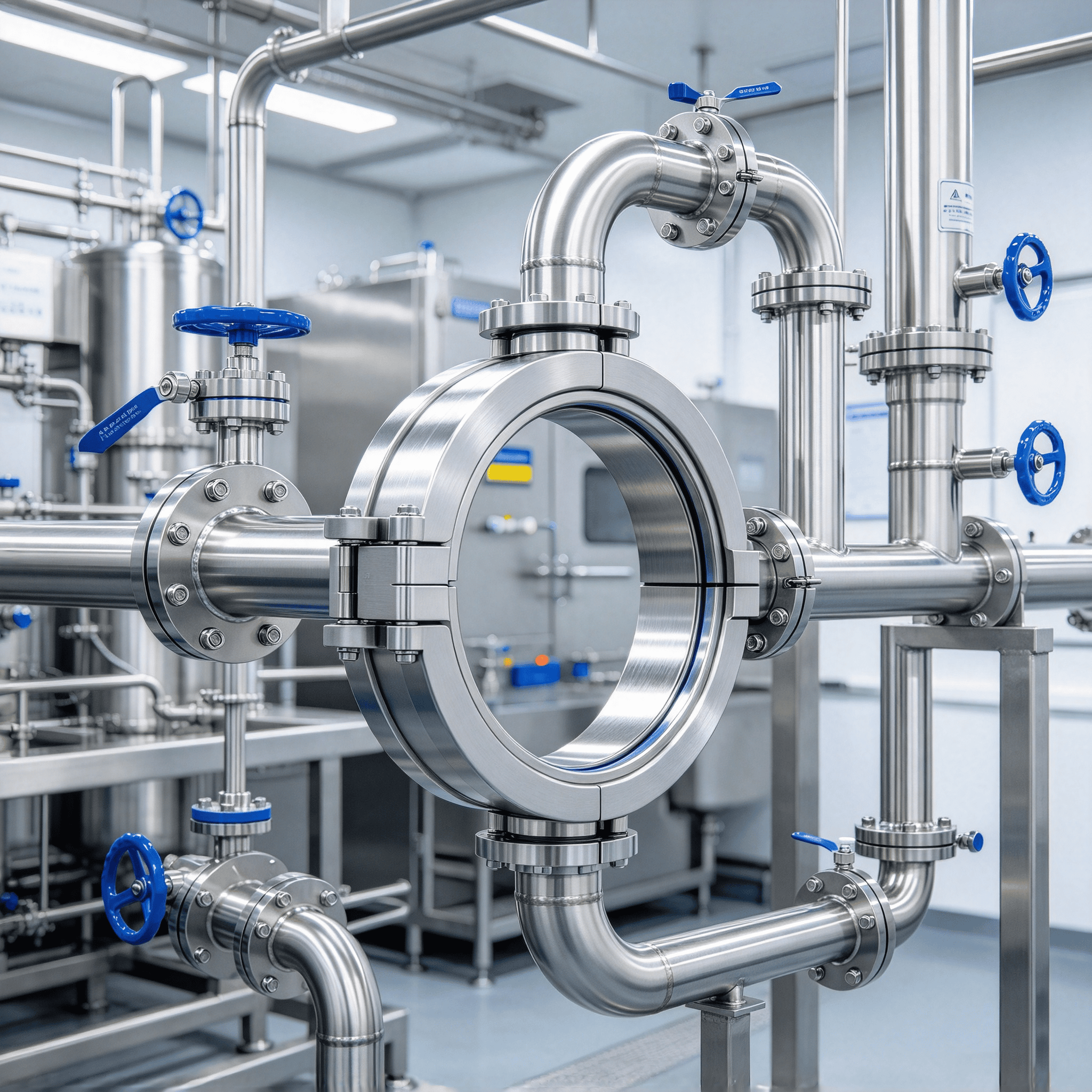
Hygiene is a critical requirement in industries where fluids, ingredients, chemicals, or other process materials must be transported through piping systems. Food and beverage processing, dairy production, pharmaceuticals, biotechnology, cosmetics, and other hygienic industries require piping components that can support cleanliness, reliable fluid transfer, and efficient maintenance.
SS Sanitary Pipe Fittings are an important part of these systems. Manufactured from stainless steel and designed for hygienic applications, sanitary fittings connect pipes, change flow direction, create branches, and transition between different pipe sizes while helping maintain the cleanliness of the process environment.
Compared with conventional pipe fittings, sanitary fittings are designed with greater attention to surface finish, connection design, cleanability, corrosion resistance, and contamination control.
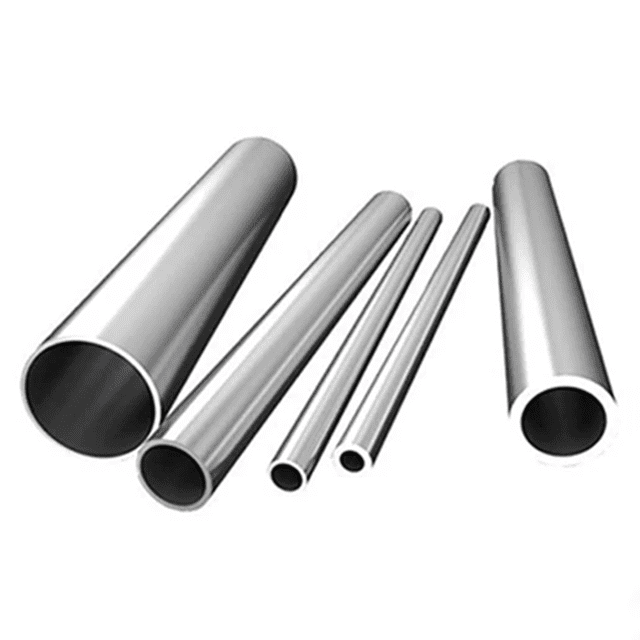
SS Sanitary Pipe Fittings are stainless steel fittings specifically designed for hygienic and clean processing environments.
Common types include:
Sanitary elbows
Sanitary tees
Sanitary reducers
Sanitary crosses
Sanitary unions
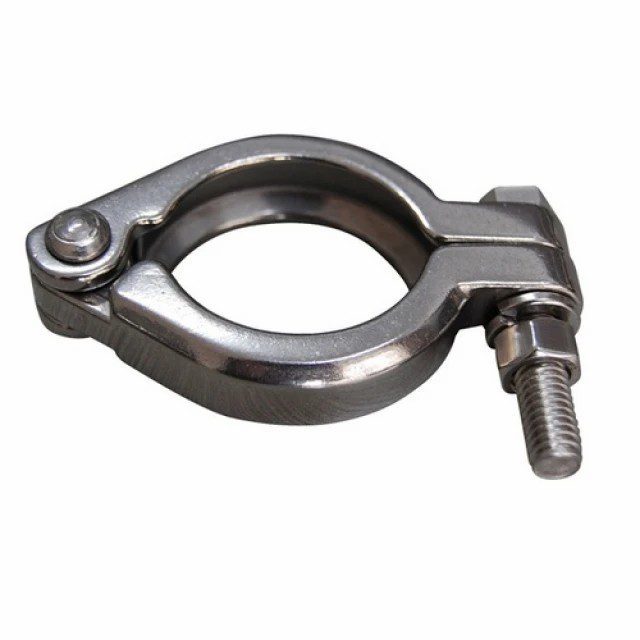
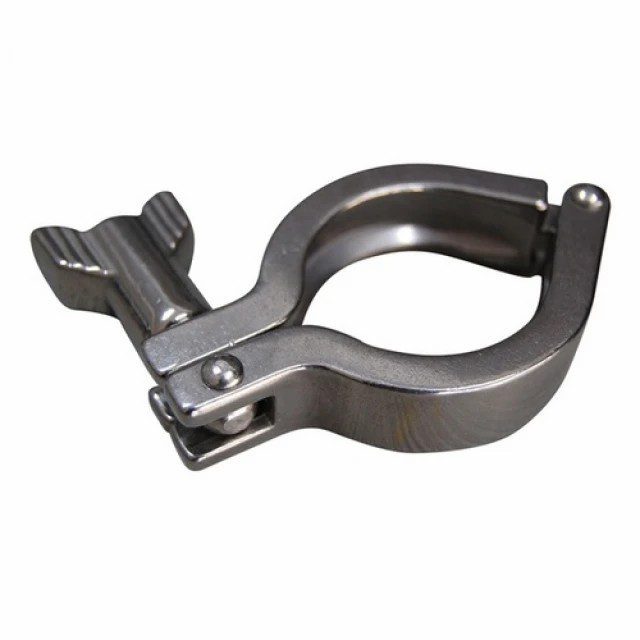
Sanitary clamps
Sanitary caps
Weld fittings
These components are used to connect and configure piping systems while maintaining appropriate hygienic conditions.
Depending on the application, fittings may be manufactured from stainless steel grades such as 304, 316, or 316L. Different grades offer different levels of corrosion resistance and suitability for specific processing environments.
One of the primary reasons stainless steel is widely used in hygienic processing systems is its resistance to corrosion.
Processing environments can expose piping components to:
Water
Moisture
Cleaning chemicals
Sanitizing agents
Food acids
Salts
Process fluids
Temperature fluctuations
Corrosion can damage fittings and potentially introduce unwanted particles or contaminants into a process.
SS Sanitary Pipe Fittings can provide strong corrosion resistance when the appropriate stainless steel grade is selected for the operating environment. This helps extend component service life and maintain system reliability.
For more demanding environments, SS 316 or SS 316L may be considered because of their enhanced corrosion resistance compared with SS 304.
Surface finish is a key consideration in sanitary piping.
Rough or poorly finished surfaces can create areas where product residues, microorganisms, or other contaminants may accumulate. These areas can make cleaning more difficult and potentially affect product quality.
Quality SS Sanitary Pipe Fittings are typically manufactured and finished with hygienic applications in mind. Smooth internal surfaces can help:
Reduce product buildup
Improve cleanability
Minimize contamination risks
Support effective sanitization
Maintain consistent process conditions
For applications with strict hygiene requirements, internal surface quality should therefore be considered alongside material grade and fitting dimensions.
Hygienic processing systems often require regular cleaning and sanitization.
Many food, beverage, dairy, pharmaceutical, and biotechnology facilities use CIP (Clean-in-Place) processes to clean internal piping without completely dismantling the system.
Sanitary fittings should therefore support efficient cleaning by minimizing areas where residue can remain trapped.
Appropriate sanitary fitting designs can contribute to:
Better fluid drainage
Easier cleaning
Reduced residue accumulation
More efficient sanitization
Lower maintenance requirements
The fitting design should always be evaluated together with the overall piping layout and cleaning procedure.
Contamination control is one of the most important objectives of hygienic processing.
In food and beverage production, contamination can affect product safety and quality. In pharmaceutical and biotechnology applications, contamination can have even more serious consequences for product integrity and manufacturing processes.
SS Sanitary Pipe Fittings can help reduce contamination risks through:
Hygienic internal surfaces
Appropriate connection designs
Corrosion-resistant materials
Cleanable geometries
Reduced areas for residue accumulation
However, fittings are only one part of contamination control. Proper system design, installation, cleaning procedures, and maintenance are also essential.
A hygienic piping system needs secure and reliable connections between pipes and equipment.
Sanitary fittings are available with connection methods such as:
Clamp connections
Butt weld connections
Union connections
Other application-specific configurations
Clamp connections are particularly useful where frequent disassembly is required for inspection or maintenance.
Welded connections can provide permanent connections in fixed process piping systems when properly designed and installed.
Selecting the correct connection method can improve system reliability while supporting maintenance and cleaning requirements.
Many hygienic processing systems operate at elevated temperatures.
Examples include:
Pasteurization
Heat treatment
Sterilization
Hot water cleaning
Steam-based processes
Stainless steel can maintain its mechanical and corrosion-resistant properties across a wide range of processing conditions.
However, the actual temperature capability of a piping system depends on the material, fitting design, connection method, pressure, and other components. Buyers should always confirm that the selected fittings are appropriate for their specific operating conditions.
Sanitary fittings need to withstand the mechanical demands of industrial piping systems.
These demands may include:
Internal pressure
Thermal expansion
Vibration
Mechanical loads
Repeated cleaning cycles
Frequent assembly and disassembly
Stainless steel provides a combination of strength, durability, and corrosion resistance that makes it suitable for many industrial hygienic applications.
High-quality manufacturing and accurate dimensions are also important because even a suitable material can perform poorly if the fitting has manufacturing defects or does not properly match the piping system.
SS Sanitary Pipe Fittings are used across many industries because they can meet diverse hygienic processing requirements.
Food manufacturers use sanitary piping systems to transport ingredients, sauces, oils, water, and other food products.
Breweries, beverage manufacturers, and bottling facilities require clean and reliable fluid transfer systems.
Milk and dairy products require piping systems designed to support frequent cleaning and strict hygiene control.
Pharmaceutical processes require careful contamination control and appropriate materials and components.
Biotechnology facilities often use hygienic piping systems for sensitive biological and process fluids.
Cosmetic production also benefits from cleanable and corrosion-resistant piping components.
Industrial piping systems need regular inspection and maintenance to remain reliable.
Sanitary fittings with suitable connection designs can make maintenance easier by allowing technicians to inspect, clean, replace, or reconfigure sections of the system.
For example, removable clamp connections can be particularly convenient in systems where components need to be frequently accessed.
Better maintainability can help reduce downtime and improve overall operational efficiency.
Although high-quality SS Sanitary Pipe Fittings may have a higher initial purchase price than some conventional alternatives, their long-term performance can provide economic advantages.
Durable stainless steel fittings can help reduce:
Replacement frequency
Corrosion-related maintenance
Unexpected downtime
Cleaning difficulties
Component failures
When evaluating sanitary fittings, businesses should consider total cost of ownership rather than focusing only on the initial purchase price.
A fitting that provides reliable performance for a longer period may be more cost-effective over the life of the piping system.
Hygienic processing systems can have complex layouts. Different sections may need different pipe directions, branch connections, and diameter transitions.
SS Sanitary Pipe Fittings provide a wide range of configurations that allow engineers to create practical piping layouts.
Common components include:
| Fitting | Main Function |
| Sanitary Elbow | Changes flow direction |
| Sanitary Tee | Creates a branch connection |
| Sanitary Reducer | Connects different pipe sizes |
| Sanitary Union | Allows convenient pipe connection and maintenance |
| Sanitary Clamp | Provides a removable hygienic connection |
| Sanitary Cap | Closes a pipe or fitting end |
| Sanitary Cross | Creates multiple branch connections |
Choosing the appropriate fitting combination helps optimize piping layout, maintenance access, and process flow.
Not every stainless steel fitting is suitable for every hygienic application.
SS 304 is commonly used for general sanitary applications because it provides good corrosion resistance and cost efficiency.
SS 316 and SS 316L may be preferred for applications involving more aggressive chemicals, chlorides, or demanding hygienic requirements.
When selecting a material, consider:
Process medium
Cleaning chemicals
Operating temperature
Chloride exposure
Required corrosion resistance
Industry requirements
Expected service life
Correct material selection can significantly influence the reliability of the entire piping system.
Material grade alone does not determine sanitary performance.
The quality of manufacturing and finishing can also affect fitting performance. Buyers should pay attention to:
Internal surface finish
Welding quality
Dimensional accuracy
Surface uniformity
Polishing quality
Material consistency
Inspection procedures
For critical hygienic applications, suppliers should be able to provide appropriate quality documentation and inspection records where required.
Selecting a qualified manufacturer is an important step when purchasing SS Sanitary Pipe Fittings.
A reliable supplier should demonstrate capabilities in:
Stainless steel material control
Precision manufacturing
Sanitary fitting production
Surface polishing
Welding
Dimensional inspection
Quality control
Product testing
Customized manufacturing
Buyers should also consider whether the manufacturer has experience serving their specific industry.
A supplier familiar with food processing may understand different requirements from one specializing in pharmaceutical or biotechnology applications.
Before purchasing, buyers should evaluate several factors:
Application
Identify the industry and process where the fittings will be used.
Material
Select an appropriate stainless steel grade based on corrosion and process requirements.
Size
Confirm pipe diameter, fitting dimensions, and compatibility with existing equipment.
Connection
Choose clamp, welded, union, or another suitable connection method.
Surface Finish
Confirm the required internal and external surface finish.
Temperature and Pressure
Ensure that the fittings are suitable for actual operating conditions.
Cleaning Method
Consider CIP, manual cleaning, sterilization, and other cleaning procedures.
Standards and Documentation
Check applicable industry requirements and required material or quality documentation.
Several mistakes can reduce the performance of a hygienic piping system.
Choosing Only by Price
The lowest-cost fitting may not provide the required material quality or surface finish.
Ignoring the Cleaning Process
Fittings should be compatible with the cleaning and sanitization strategy of the system.
Selecting the Wrong Material
Using an unsuitable stainless steel grade can increase corrosion risks.
Overlooking Connection Compatibility
The fitting must match the pipes and other process components.
Neglecting Surface Quality
Poor surface finishing can make cleaning more difficult and increase residue accumulation.
Failing to Verify Supplier Quality
A reliable manufacturer should have appropriate production, inspection, and quality-control processes.
SS Sanitary Pipe Fittings are essential for hygienic processing systems because they combine corrosion resistance, durability, cleanability, and flexible connection options. They help create piping systems that can support strict hygiene requirements across food and beverage, dairy, pharmaceutical, biotechnology, cosmetics, and other industries.
However, simply choosing stainless steel is not enough. The material grade, fitting design, surface finish, dimensions, connection method, operating conditions, cleaning requirements, and manufacturer quality all need to be considered.
By selecting properly designed SS Sanitary Pipe Fittings and working with an experienced manufacturer, businesses can build piping systems that are more reliable, easier to maintain, and better suited to demanding hygienic processing environments.
What are SS Sanitary Pipe Fittings used for?
They are used to connect and configure hygienic piping systems for industries such as food and beverage, dairy, pharmaceutical, biotechnology, and cosmetics.
Why is stainless steel commonly used for sanitary fittings?
Stainless steel offers good corrosion resistance, mechanical strength, durability, and cleanability, making it suitable for many hygienic processing environments.
Is SS 304 suitable for sanitary applications?
Yes. SS 304 is commonly used for many general sanitary applications. However, SS 316 or 316L may be more appropriate for environments with higher corrosion risks or more demanding process requirements.
Why is surface finish important for sanitary pipe fittings?
A smooth internal surface can reduce product residue accumulation and make cleaning and sanitization more effective.
What are the most common SS sanitary fittings?
Common products include sanitary elbows, tees, reducers, unions, clamps, caps, and other specialized fittings.
How do I choose a reliable SS Sanitary Pipe Fittings supplier?
Consider the supplier’s material control, manufacturing capabilities, surface finishing, dimensional accuracy, quality-control procedures, documentation, customization capabilities, and experience in hygienic industries.


STAINLESS STEEL&GENCEL;
Privacy Policy | SiteMap
Copyright GENCEL STAINLESS STEEL CO.,LIMITED
 Optimized by Seraphinite Accelerator