- Whatsapp: 8613738300923
- Email: [email protected]


Stainless steel ball valves play an important role in industrial piping systems where reliable flow control, corrosion resistance, and long service life are required. They are widely used in chemical processing, oil and gas, water treatment, food and beverage, pharmaceuticals, marine engineering, power generation, and other demanding applications.
Although stainless steel ball valves are available from many suppliers, not every manufacturer can provide the same level of quality, consistency, technical support, and production reliability. For industrial buyers, choosing a professional stainless steel ball valve factory can make a significant difference in system performance and long-term operating costs.
A professional factory provides more than standard valve products. It combines controlled manufacturing processes, quality inspection, material management, testing capabilities, customization, and technical support to meet the requirements of different industrial applications.
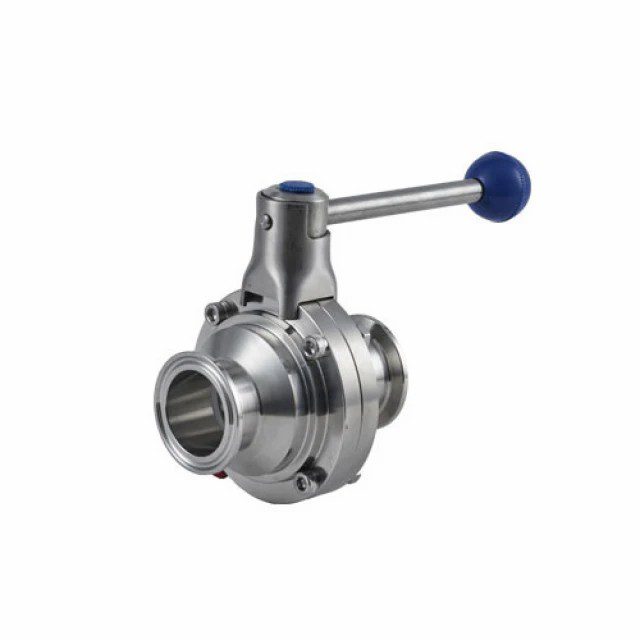
Material quality is one of the most important factors affecting the performance of stainless steel ball valves.
Professional manufacturers carefully select and control stainless steel materials according to the application requirements. Common options include 304 and 316 stainless steel, while other grades may be available for specific operating conditions.
The appropriate material depends on factors such as the working medium, temperature, pressure, corrosion environment, and industry requirements.
A professional stainless steel ball valve factory should have procedures for inspecting incoming materials and verifying material specifications. Material certificates and traceability records may also be available when required.
Proper material control helps ensure that the finished valve provides the expected corrosion resistance, mechanical strength, and service life.
Industrial valves must perform consistently, especially when they are installed in systems operating continuously or under demanding conditions.
A professional factory uses standardized manufacturing processes to reduce variations between production batches. Depending on the valve design, manufacturing may involve casting or forging, CNC machining, drilling, threading, grinding, polishing, assembly, and testing.
Machining accuracy is particularly important because valve components need to fit together correctly to achieve reliable sealing and smooth operation.
By controlling critical manufacturing parameters and using appropriate inspection equipment, professional manufacturers can improve product consistency and reduce the risk of dimensional or assembly problems.
A reliable stainless steel ball valve factory should have a comprehensive quality control system covering the entire production process.
Quality control may begin with raw material inspection and continue through machining, component inspection, assembly, pressure testing, leakage testing, and final inspection.
Depending on product specifications and applicable standards, inspections may include:
Material inspection
Dimensional inspection
Surface inspection
Pressure testing
Seat leakage testing
Functional testing
Assembly inspection
Final product inspection
A systematic inspection process helps identify potential problems before products are shipped to customers.
Ball valves are often used to isolate or control fluid flow, making sealing performance particularly important.
A professional factory conducts appropriate pressure and leakage tests to verify that valves can meet specified performance requirements.
Testing may include shell pressure tests, seat leakage tests, and operational checks. The specific procedures depend on valve design, pressure rating, applicable standards, and customer requirements.
Reliable testing helps reduce the risk of leakage after installation and provides greater confidence when valves are used in industrial piping systems.
Industrial customers often require valves to meet specific international or industry standards.
Depending on the application and target market, stainless steel ball valves may need to comply with standards such as API, ASME, ISO, EN, DIN, or other applicable specifications.
A professional stainless steel ball valve factory should understand these requirements and have experience manufacturing products according to relevant standards.
Standards compliance can help ensure that valve dimensions, materials, pressure ratings, testing procedures, and other technical characteristics meet project requirements.
Different industrial applications require different valve configurations.
A professional factory may offer stainless steel ball valves in different sizes, pressure ratings, connection types, body constructions, port designs, seat materials, and handle configurations.
Common product structures may include one-piece, two-piece, and three-piece ball valves. Depending on the manufacturer, customers may also have access to different threaded, flanged, or other connection options.
A wider product range allows customers to source multiple valve specifications from one manufacturer, simplifying procurement and supply chain management.
Standard valves may not always meet the requirements of specialized industrial projects.
Customers may need customized dimensions, materials, connection types, pressure ratings, seals, handles, markings, or packaging.
A professional stainless steel ball valve factory usually has engineering and manufacturing capabilities that allow it to review customer drawings and technical specifications.
This is particularly useful for OEM customers, equipment manufacturers, engineering contractors, and distributors that require valves designed or configured according to specific requirements.
Customization also allows manufacturers to address application-specific challenges rather than forcing customers to select from a limited range of standard products.
Supply reliability is an important consideration for industrial projects.
Delays in valve delivery can affect equipment installation, commissioning, construction schedules, and production planning.
A professional factory with sufficient production capacity, experienced workers, organized production processes, and stable raw material sourcing can provide better control over manufacturing schedules.
Direct cooperation with a manufacturer may also make it easier to communicate production requirements, expected quantities, and delivery deadlines.
This can be particularly valuable for customers with recurring orders or large-volume requirements.
Selecting the correct ball valve requires more than choosing a size.
Customers may need to consider material grade, pressure rating, working temperature, connection type, sealing material, working medium, and operating conditions.
A professional factory with an experienced technical team can help customers understand these factors and select an appropriate valve configuration.
Technical support can reduce the risk of purchasing unsuitable products and can help customers optimize their valve selection for specific industrial applications.
Traceability is an important part of professional manufacturing.
A reliable manufacturer should be able to connect finished products with relevant production and quality information. This may include raw material batches, production records, inspection results, and product identification.
Good traceability makes it easier to investigate quality issues and identify affected products if a problem occurs.
For customers working on large industrial projects, traceability can also support documentation and quality management requirements.
Valve quality can be affected if products are not properly handled during transportation.
A professional factory uses suitable packaging to protect stainless steel ball valves from scratches, impacts, moisture, contamination, and other potential sources of damage.
Depending on the order, products may be individually protected, securely packed in cartons, or arranged on pallets for transportation.
Proper labeling and shipping marks can also make warehouse management and receiving operations easier for customers.
Working with a professional factory does not necessarily mean paying the highest price.
In many cases, direct cooperation with a manufacturer can provide competitive pricing by reducing unnecessary intermediary costs and improving purchasing efficiency.
More importantly, buyers should consider total cost rather than only the initial purchase price.
High-quality valves can reduce the likelihood of leakage, premature failure, replacement, maintenance, and unexpected downtime. Therefore, a reliable valve with a reasonable price may provide better long-term value than a cheaper product with inconsistent performance.
Industrial customers often require stainless steel ball valves repeatedly rather than purchasing them only once.
A professional manufacturer can become a stable supply partner by providing consistent specifications, predictable quality, reliable production capacity, and organized delivery.
Long-term cooperation can also make communication more efficient because the supplier becomes familiar with the customer’s preferred specifications, packaging requirements, documentation, and purchasing schedules.
This can reduce procurement complexity and improve supply chain stability over time.
After-sales service is another important advantage of working with a professional factory.
If customers encounter questions related to installation, product specifications, quality, or operation, an experienced manufacturer should be able to provide appropriate technical assistance.
A professional factory should also have a clear process for handling quality claims, product replacement, and other after-sales issues when necessary.
Strong after-sales support helps customers resolve problems more efficiently and provides greater confidence in long-term cooperation.
Professional stainless steel ball valve factories are particularly valuable when valves are used in demanding environments.
Applications may include:
Chemical processing
Oil and gas systems
Water treatment
Food and beverage processing
Pharmaceutical manufacturing
Marine engineering
Power generation
Industrial equipment
General process piping
These industries may require reliable corrosion resistance, accurate machining, dependable sealing, and consistent product performance.
Choosing an experienced manufacturer can therefore reduce procurement risks and improve the reliability of the overall piping system.
Before selecting a manufacturer, buyers should evaluate several important factors rather than focusing only on product price.
Consider the company’s:
Manufacturing capabilities
Stainless steel material options
Quality control system
Pressure and leakage testing
Applicable standards
Product range
Customization capabilities
Production capacity
Lead times
Technical expertise
Material traceability
Packaging methods
After-sales service
Industry experience
Requesting samples or placing a trial order can also help buyers evaluate actual product quality, communication, documentation, packaging, and delivery performance before establishing a long-term relationship.
Choosing a professional stainless steel ball valve factory can provide significant advantages for industrial applications. Professional manufacturers offer controlled material selection, consistent production processes, strict quality inspection, reliable pressure and leakage testing, standards compliance, customization capabilities, technical support, and stable supply.
For industrial buyers, the decision should not be based solely on the lowest product price. Product reliability, manufacturing capabilities, delivery performance, technical support, and long-term service can have a much greater impact on the total value of the purchase.
By working with a professional stainless steel ball valve factory, businesses can obtain more consistent products, reduce procurement risks, improve piping system reliability, and establish a stable supply relationship for future projects.
1. Why should I choose a professional stainless steel ball valve factory?
A professional factory can provide better control over material quality, manufacturing processes, testing, product consistency, customization, and delivery. These advantages can help industrial customers reduce quality and supply risks.
2. What stainless steel materials are commonly used for ball valves?
304 and 316 stainless steel are commonly used for ball valves. The appropriate material depends on the working medium, temperature, pressure, corrosion environment, and application requirements.
3. How does a professional factory ensure stainless steel ball valve quality?
Quality can be controlled through raw material inspection, precision machining, component inspection, assembly control, pressure testing, leakage testing, functional testing, and final inspection.
4. Can a stainless steel ball valve factory provide customized products?
Yes. Many professional manufacturers can customize valve size, materials, connection types, pressure ratings, seals, handles, markings, and packaging according to customer requirements.
5. What industries use stainless steel ball valves?
Stainless steel ball valves are commonly used in chemical processing, oil and gas, water treatment, food and beverage, pharmaceuticals, marine engineering, power generation, and industrial piping systems.
6. Why is pressure and leakage testing important?
Pressure and leakage testing helps verify the valve’s sealing and structural performance before shipment. Proper testing can reduce the risk of leakage and premature failure after installation.
7. How can I evaluate a stainless steel ball valve factory?
Buyers should review manufacturing capabilities, quality control, testing procedures, material traceability, certifications, production capacity, product range, customization capabilities, technical support, delivery performance, and after-sales service.

STAINLESS STEEL&GENCEL;
Privacy Policy | SiteMap
Copyright GENCEL STAINLESS STEEL CO.,LIMITED
 Optimized by Seraphinite Accelerator