- Whatsapp: 8613738300923
- Email: [email protected]


In industries where piping systems are essential for safe and efficient operations, choosing the right industrial pipe fittings supplier can significantly impact project success. Pipe fittings may appear to be small components, but they play a critical role in connecting pipelines, controlling fluid flow, maintaining pressure stability, and ensuring long-term system reliability.
With increasing demand from industries such as oil and gas, chemical processing, power generation, marine engineering, food processing, and construction, many suppliers compete in the global market. However, only professional suppliers can consistently deliver high-quality products, technical expertise, and dependable service.
A professional industrial pipe fittings supplier stands out through advanced manufacturing capabilities, strict quality control, extensive product knowledge, customization ability, and commitment to long-term customer partnerships.
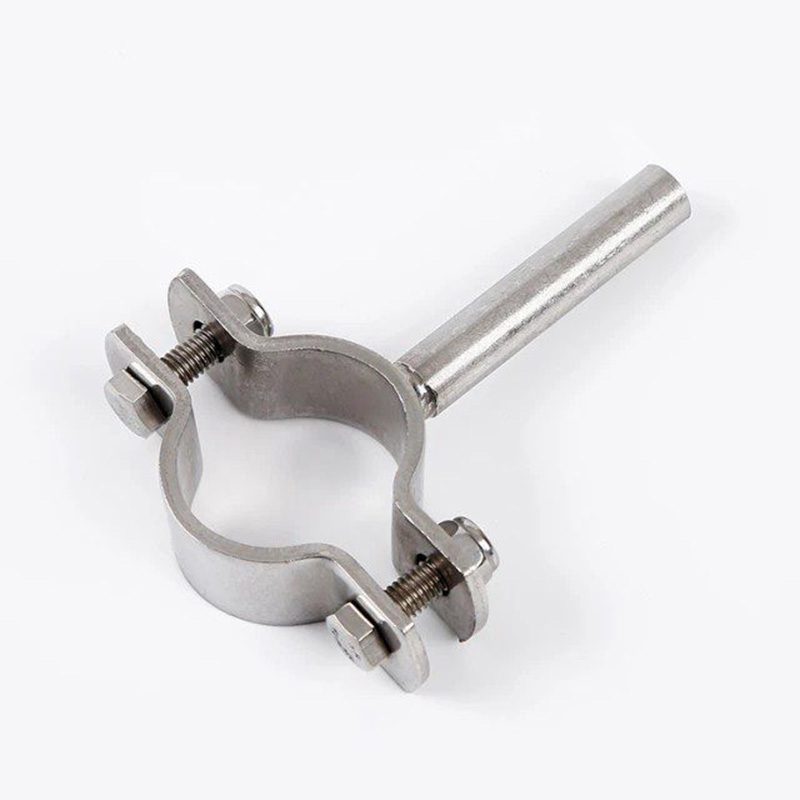
One of the most important characteristics of a professional industrial pipe fittings supplier is extensive manufacturing experience. Years of industry involvement allow suppliers to develop mature production processes and a deep understanding of different application requirements.
Experienced suppliers understand that various industries have different expectations for pipe fittings. For example:
Oil and gas projects require high-pressure and high-temperature resistance.
Chemical industries require excellent corrosion resistance.
Food and pharmaceutical industries require hygienic materials and surface finishes.
Marine applications require strong protection against saltwater corrosion.
A professional supplier can provide suitable solutions based on operating conditions, helping customers select the right materials, designs, and specifications for their projects.
A reliable industrial pipe fittings supplier should offer a wide range of products to meet different pipeline requirements.
Common industrial pipe fittings include:
Stainless steel elbows
Tees
Reducers
Couplings
Flanges
Caps
Cross fittings
Customized pipe components
A broad product portfolio allows customers to source multiple products from a single supplier, improving procurement efficiency and reducing supply chain complexity.
In addition to standard products, professional suppliers often provide customized solutions, including special dimensions, unique designs, different material grades, and project-specific requirements.
Material quality directly determines the durability and safety of industrial pipe fittings. Professional suppliers pay close attention to raw material selection and maintain strict control throughout the manufacturing process.
Common materials include:
Stainless steel fittings are widely used because of their excellent corrosion resistance, mechanical strength, and long service life.
Popular grades include:
304 stainless steel: Suitable for general industrial applications.
316 stainless steel: Provides better corrosion resistance for chemical and marine environments.
316L stainless steel: Commonly used in pharmaceutical and food processing applications.
Duplex stainless steel: Designed for demanding conditions requiring high strength and corrosion resistance.
A professional supplier should provide material certificates and ensure full traceability from raw materials to finished products.
Manufacturing technology is another factor that differentiates professional suppliers from ordinary vendors.
Advanced production equipment and skilled manufacturing teams help ensure:
Accurate dimensions
Smooth surface finishes
Consistent product quality
Stable production efficiency
Reduced manufacturing defects
Professional suppliers continuously improve their manufacturing processes by adopting automation, precision machining equipment, and modern inspection technologies.
These capabilities allow them to handle both standard orders and complex industrial requirements.
Quality assurance is one of the strongest indicators of a professional industrial pipe fittings supplier.
A reliable supplier implements quality control throughout every production stage, including:
Raw materials are checked for chemical composition, mechanical properties, and compliance with required standards.
During manufacturing, suppliers monitor dimensions, forming processes, welding quality, and surface conditions.
Before shipment, products may undergo:
Dimensional inspection
Pressure testing
Hardness testing
Mechanical testing
Non-destructive testing
Surface quality inspection
These procedures ensure that every fitting meets customer specifications and international standards.
Global industrial projects often require products that meet strict technical standards. Professional suppliers understand these requirements and manufacture products according to recognized specifications.
Common standards include:
ASTM
ASME
ANSI
DIN
EN
ISO
Compliance with international standards demonstrates a supplier’s commitment to quality and allows customers to use products confidently in global projects.
Certifications and inspection documents also help simplify project approval, quality audits, and international procurement processes.
A professional industrial pipe fittings supplier understands that delivery reliability is essential for project schedules.
Strong suppliers usually have:
Efficient production planning
Adequate manufacturing capacity
Inventory management systems
Professional export experience
Reliable logistics coordination
For international customers, suppliers with global shipping experience can provide better support with packaging, documentation, customs requirements, and transportation arrangements.
Reliable delivery reduces project delays and improves overall supply chain efficiency.
Beyond manufacturing products, professional suppliers provide valuable technical support to help customers solve engineering challenges.
Technical services may include:
Material selection recommendations
Product specification guidance
Application consultation
Custom solution development
Technical documentation support
This expertise helps customers avoid incorrect product selection and ensures that pipe fittings perform effectively in their intended environment.
Industrial projects often have unique requirements that cannot be fulfilled by standard products alone.
Professional suppliers stand out by offering customized manufacturing services, such as:
Special sizes
Different wall thicknesses
Customized connection types
Specific surface treatments
Special packaging requirements
The ability to provide customized solutions demonstrates a supplier’s technical capability and flexibility.
A professional industrial pipe fittings supplier does not focus only on individual transactions. Instead, they aim to build long-term partnerships with customers.
Long-term cooperation provides benefits such as:
Stable product quality
Faster communication
Better understanding of customer needs
More efficient order processing
Continuous technical support
Reliable suppliers become strategic partners who help customers improve procurement efficiency and achieve successful project outcomes.
Price is an important factor, but professional buyers understand that the lowest quotation does not always provide the best value.
A professional supplier creates value through:
Higher product reliability
Longer service life
Lower maintenance costs
Fewer project risks
Better technical support
Choosing a supplier based on overall value rather than short-term price can help companies achieve better long-term results.
A professional industrial pipe fittings supplier stands out through a combination of manufacturing expertise, high-quality materials, advanced technology, strict quality control, reliable delivery, and excellent customer support.
For industries that depend on safe and efficient piping systems, selecting the right supplier is a strategic decision that directly affects project performance and operational reliability.
By partnering with an experienced and professional industrial pipe fittings supplier, companies can ensure consistent product quality, reduce procurement risks, and build a reliable foundation for long-term industrial success.
What makes an industrial pipe fittings supplier professional?
A professional supplier should have strong manufacturing experience, strict quality control systems, international certifications, reliable delivery capabilities, and technical expertise.
What industries use industrial pipe fittings?
Industrial pipe fittings are widely used in oil and gas, chemical processing, power generation, food processing, pharmaceuticals, marine engineering, construction, and water treatment industries.
Why is quality control important for pipe fittings?
Quality control ensures that fittings meet required standards for strength, pressure resistance, corrosion resistance, and long-term reliability.
Can industrial pipe fittings suppliers provide customized products?
Yes. Professional suppliers can provide customized sizes, materials, designs, and processing solutions according to specific project requirements.
How do I choose a reliable industrial pipe fittings supplier?
Consider factors such as manufacturing experience, product quality, certifications, production capacity, customization capabilities, delivery performance, and customer service.


STAINLESS STEEL&GENCEL;
Privacy Policy | SiteMap
Copyright GENCEL STAINLESS STEEL CO.,LIMITED
 Optimized by Seraphinite Accelerator