- Whatsapp: 8613738300923
- Email: [email protected]


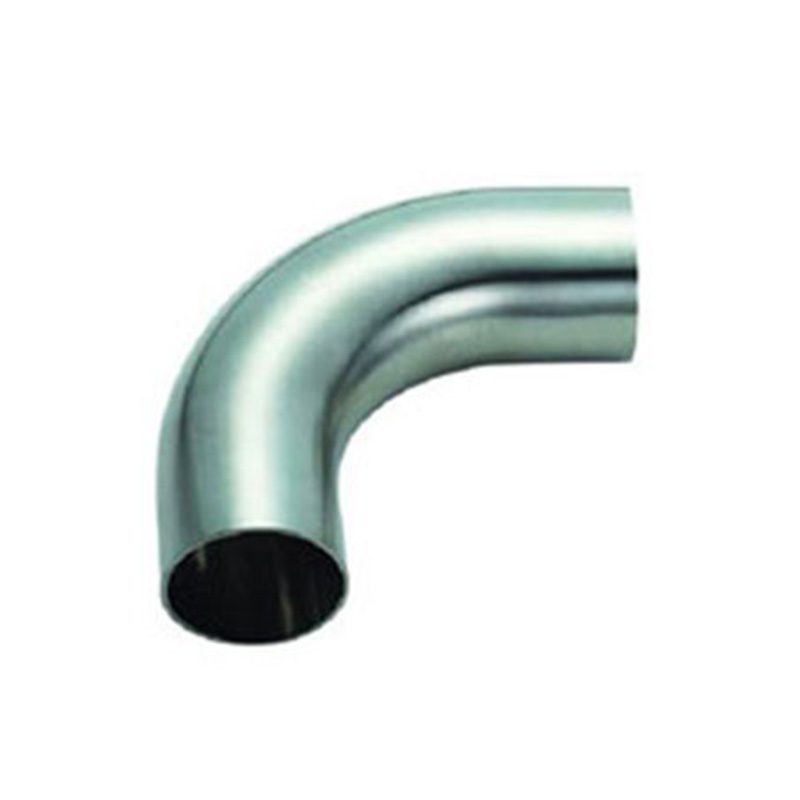
A 90 degree stainless steel elbow is a pipe fitting used to change the direction of a piping system by approximately 90 degrees. It is widely used in industrial pipelines where pipes need to be redirected while maintaining a secure and reliable flow connection.
Made from stainless steel, these elbows provide a combination of mechanical strength, corrosion resistance, durability, and resistance to demanding operating conditions. They are commonly used in chemical processing, food and beverage, pharmaceutical, water treatment, oil and gas, petrochemical, and general industrial piping systems.
90 degree stainless steel elbows are available in different sizes, wall thicknesses, connection types, radii, and stainless steel grades. Understanding their structure and different configurations can help engineers, contractors, distributors, and industrial buyers select the appropriate fitting for a specific piping application.
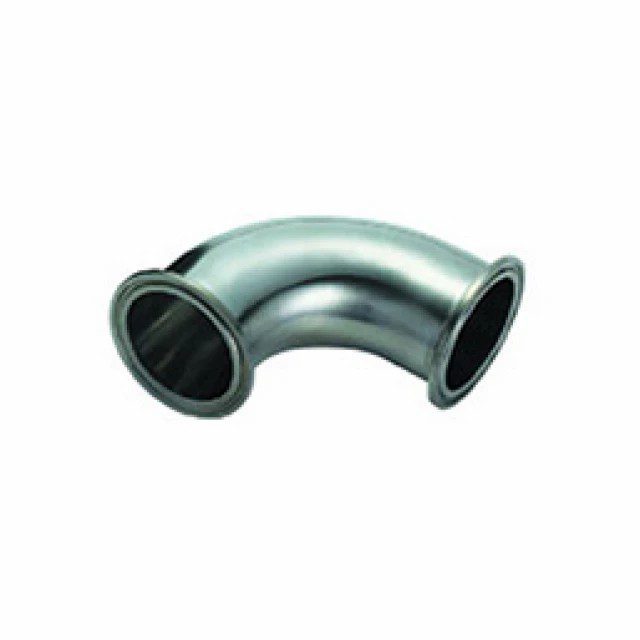
A 90 degree stainless steel elbow is a curved pipe fitting designed to change the direction of a pipeline by 90 degrees. Instead of connecting two straight pipes directly, the elbow creates a controlled change in direction while maintaining a continuous internal flow path.
The fitting is normally manufactured with two connection ends. These ends can be designed for butt welding, socket welding, threading, or other connection methods depending on the application and product design.
The 90-degree configuration is one of the most commonly used elbow designs because it can provide a relatively compact way to redirect piping. The exact geometry of the elbow, including its radius and internal diameter, can affect flow characteristics, pressure loss, installation space, and overall system performance.
Although a 90 degree stainless steel elbow has a relatively simple appearance, several structural features determine its performance.
The curved body is the main part of the elbow. It creates the 90-degree change in direction while providing a continuous passage for the process medium.
The body can be manufactured using different forming methods depending on the material, size, wall thickness, and production requirements. Proper forming is important for maintaining consistent dimensions and avoiding excessive deformation.
The two ends of the elbow connect to the pipes or other fittings in the system. Common configurations include butt weld, socket weld, and threaded ends.
The connection dimensions must match the corresponding pipe or fitting. Incorrect dimensions can make installation difficult and may increase the risk of leakage or connection failure.
The internal diameter of the elbow determines the available flow passage. A properly formed internal passage helps maintain consistent flow through the change in direction.
Internal geometry can also influence pressure drop and turbulence. For applications with demanding flow requirements, buyers may need to consider the elbow’s radius, internal diameter, and surface condition.
The radius refers to the curvature of the elbow. Long-radius and short-radius configurations are commonly available.
A long-radius elbow has a larger centerline radius and generally provides a smoother change in flow direction. A short-radius elbow has a tighter bend and can be useful where installation space is limited.
90 degree stainless steel elbows can be classified according to radius, connection method, manufacturing method, and application.
A long-radius elbow has a centerline radius that is typically greater than that of a short-radius design. The larger curve provides a more gradual change in flow direction.
This configuration is commonly considered for industrial piping systems where reducing flow disturbance and pressure loss is important.
Long-radius elbows are widely used in process piping, chemical systems, water treatment, and other applications where sufficient installation space is available.
A short-radius elbow has a tighter curvature than a long-radius elbow. Its compact design can be useful in applications where available installation space is restricted.
However, the tighter bend can create different flow characteristics compared with a long-radius configuration. The appropriate option should therefore be selected according to both piping layout and flow requirements.
Butt weld elbows are designed to be welded directly to the pipe. This connection method can provide a continuous and secure joint when properly installed.
Butt weld 90 degree stainless steel elbows are commonly used in industrial piping systems, including chemical processing, food and beverage, pharmaceutical, petrochemical, and other applications.
Threaded elbows have internal or external threads that allow them to connect to compatible threaded pipes or fittings.
They can be convenient for certain smaller piping systems where welding is not preferred or where threaded installation is appropriate.
The thread type, size, pressure requirements, and applicable standards should be confirmed before selection.
Socket weld elbows are designed for applications where the pipe is inserted into a socket before welding. They are often used in smaller industrial piping systems.
The appropriate socket dimensions and welding requirements should be compatible with the pipe and relevant specifications.
The stainless steel grade used for a 90 degree elbow affects corrosion resistance, mechanical properties, temperature capability, and service life.
304 stainless steel is widely used for general industrial and commercial applications. It provides good corrosion resistance and mechanical properties for many water, food, chemical, and general piping systems.
It can be a practical choice when the operating environment does not require the additional corrosion resistance associated with certain higher-alloy grades.
316 stainless steel contains molybdenum, which can improve resistance to certain corrosive environments compared with 304 stainless steel.
It is commonly considered for applications involving more aggressive media, marine environments, chemical processing, food processing, and pharmaceutical systems, depending on the actual service conditions.
316L is a low-carbon version of 316 stainless steel. Its lower carbon content can be beneficial for certain welded applications because it can reduce the risk of corrosion associated with welding under appropriate conditions.
The choice between 304, 316, 316L, or another stainless steel grade should be based on the process medium, temperature, pressure, corrosion conditions, and applicable standards.
A 90 degree stainless steel elbow changes the direction of the pipeline while allowing the medium to continue flowing through the system.
When fluid reaches the curved section, its direction changes along the internal curvature of the elbow. The design of the curvature influences how smoothly this change occurs.
Long-radius elbows generally provide a more gradual directional change, while short-radius elbows provide a more compact bend. The choice between them depends on the available installation space, flow requirements, pressure considerations, and system design.
The elbow itself does not normally control flow in the same way as a valve. Its primary purpose is to redirect the piping route while maintaining a suitable flow passage.
90 degree stainless steel elbows are used across many industries because stainless steel can provide useful corrosion resistance and durability.
Stainless steel elbows are widely used in food and beverage piping systems where corrosion resistance, cleanability, and hygienic conditions are important.
Depending on the application, elbows may require specific surface finishes, dimensions, and hygienic connection designs.
Pharmaceutical and biotechnology facilities often require carefully controlled piping systems. Stainless steel elbows can be used to connect process piping while meeting specified material, surface finish, cleanability, and dimensional requirements.
For hygienic applications, the complete fitting specification should be evaluated rather than selecting an elbow based on material grade alone.
Chemical processing systems may handle corrosive or aggressive fluids. Stainless steel elbows can be used when the selected grade is compatible with the process medium and operating conditions.
The chemical concentration, temperature, pressure, and exposure time should be considered when selecting the material.
90 degree stainless steel elbows can be used in water supply, filtration, wastewater treatment, and industrial water systems.
Material selection depends on factors such as water chemistry, pressure, temperature, and the surrounding environment.
Stainless steel elbows can be used in selected oil and gas applications, process systems, and supporting piping. The appropriate material, wall thickness, pressure rating, connection, and applicable standards should be determined according to project requirements.
Industrial facilities use 90 degree stainless steel elbows in compressed-air systems, process lines, utility piping, equipment connections, and other applications where a change in pipeline direction is required.
One of the main advantages of stainless steel elbows is their corrosion resistance. This can make them suitable for applications where carbon steel or other materials may require additional corrosion protection.
Stainless steel also provides good mechanical strength and durability. When the correct grade and dimensions are selected, the fitting can provide reliable performance over extended service periods.
Another advantage is versatility. 90 degree stainless steel elbows are available in different sizes, radii, wall thicknesses, and connection configurations, allowing them to be used across a wide range of piping systems.
For hygienic industries, stainless steel can also provide a smooth and cleanable surface when manufactured and finished according to the required specifications.
Selecting the correct elbow requires consideration of several technical factors.
First, confirm the stainless steel grade. The material should be compatible with the process medium and environmental conditions.
Next, determine the required nominal size and wall thickness based on the connected pipe and system requirements.
The pressure and temperature conditions should also be reviewed. The fitting must be suitable for the expected operating conditions and applicable design requirements.
The elbow radius is another important consideration. Long-radius elbows may be appropriate where smoother flow characteristics are desired, while short-radius elbows can help save installation space.
The connection type must match the piping system. Butt weld, socket weld, and threaded configurations have different installation requirements.
Finally, buyers should verify the applicable dimensions, standards, surface finish, inspection requirements, and documentation before ordering.
The manufacturing process depends on the elbow design, material, size, wall thickness, and required production volume.
Common manufacturing stages may include stainless steel material preparation, cutting, forming, heat treatment when required, sizing, end preparation, surface treatment, cleaning, dimensional inspection, and final quality control.
Forming accuracy is particularly important because excessive thinning, deformation, or dimensional variation can affect the performance of the fitting.
For industrial applications, manufacturers may also perform inspections such as dimensional measurement, visual inspection, material verification, surface inspection, and other tests required by the applicable standards or customer specifications.
Before purchasing a 90 degree stainless steel elbow, industrial buyers should confirm that the product specifications match the piping system.
Important information may include stainless steel grade, nominal size, wall thickness, elbow radius, connection type, dimensions, pressure and temperature requirements, surface finish, applicable standards, and inspection documentation.
For large projects or customized requirements, buyers should also confirm material traceability, production capabilities, sample approval procedures, and quality-control requirements with the manufacturer.
Working with a manufacturer that understands both standard and customized stainless steel elbows can help reduce dimensional and compatibility issues during installation.
A 90 degree stainless steel elbow is a commonly used pipe fitting designed to change the direction of a pipeline by approximately 90 degrees. Its curved body, flow passage, connection ends, radius, material, and dimensions all contribute to its suitability for a particular piping system.
Common configurations include long-radius, short-radius, butt weld, socket weld, and threaded elbows. Stainless steel grades such as 304, 316, and 316L are also available for different operating environments.
When selecting a 90 degree stainless steel elbow, buyers should evaluate the material, size, wall thickness, radius, connection type, pressure, temperature, surface finish, applicable standards, and manufacturing quality. Matching these specifications with the actual application can help achieve reliable and long-lasting piping performance.
A 90 degree stainless steel elbow is a pipe fitting designed to change the direction of a pipeline by approximately 90 degrees. It is commonly used to redirect piping while maintaining a continuous flow path.
What are the common types of 90 degree stainless steel elbows?
Common types include long-radius, short-radius, butt weld, socket weld, and threaded 90 degree stainless steel elbows. The appropriate type depends on the piping layout, connection method, flow requirements, and application.
What is the difference between long-radius and short-radius 90 degree elbows?
A long-radius elbow has a larger curvature and provides a more gradual change in flow direction. A short-radius elbow has a tighter bend and requires less installation space but can have different flow characteristics.
What stainless steel grades are commonly used for 90 degree elbows?
Common grades include 304, 316, and 316L stainless steel. The appropriate grade depends on the process medium, corrosion conditions, temperature, pressure, and applicable requirements.
Where are 90 degree stainless steel elbows used?
They are commonly used in food and beverage, pharmaceutical, chemical processing, water treatment, oil and gas, petrochemical, HVAC, and general industrial piping systems.



STAINLESS STEEL&GENCEL;
Privacy Policy | SiteMap
Copyright GENCEL STAINLESS STEEL CO.,LIMITED
 Optimized by Seraphinite Accelerator