- Whatsapp: 8613738300923
- Email: [email protected]


Sanitary ball valves are essential components in hygienic processing systems where cleanliness, product purity, and reliable flow control are critical. They are widely used in industries such as food and beverage, dairy, pharmaceuticals, biotechnology, cosmetics, and breweries.
However, choosing the right sanitary ball valve manufacturer involves more than simply comparing product prices. A professional manufacturer is responsible for product design, material selection, precision machining, quality control, certification, customization, and technical support—all of which directly affect valve performance and long-term reliability.
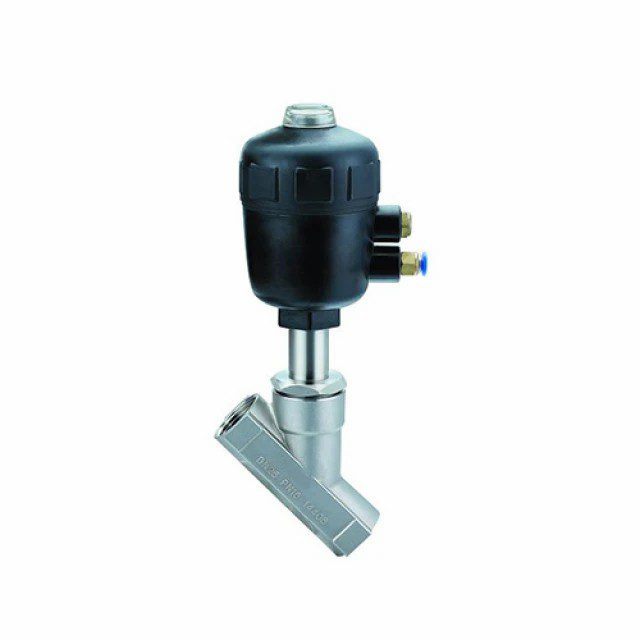
A sanitary ball valve is a hygienic shut-off valve designed to control the flow of liquids, gases, or semi-fluid products in sanitary piping systems.
Unlike conventional industrial ball valves, sanitary ball valves feature:
Smooth internal surfaces
Dead-space-free design
Food-grade materials
Easy cleaning and sterilization
CIP (Clean-in-Place) compatibility
SIP (Sterilization-in-Place) compatibility
These characteristics help prevent bacterial growth and product contamination while ensuring compliance with strict hygiene regulations.
A professional manufacturer provides far more than valve production. Their responsibilities cover the entire product lifecycle.
Every sanitary ball valve begins with engineering design.
Manufacturers develop products based on:
Industry requirements
International sanitary standards
Pressure ratings
Temperature ranges
Fluid characteristics
Customer application needs
Modern manufacturers often use 3D CAD software and simulation technology to optimize valve structure before production begins.
Material quality directly determines valve performance.
Professional manufacturers typically offer:
304 Stainless Steel
316 Stainless Steel
316L Stainless Steel
Among these, 316L stainless steel is the preferred choice for pharmaceutical and biotechnology applications because of its superior corrosion resistance and excellent cleanability.
Additional material options include:
PTFE seats
EPDM seals
Silicone seals
FKM (Viton) seals
All materials should meet food-grade and sanitary requirements.
High-quality sanitary valves require precise machining.
Manufacturers perform:
CNC turning
CNC milling
Precision drilling
Thread machining
Welding
Assembly
Every component—including the valve body, ball, stem, and sealing surfaces—is machined to tight tolerances for smooth operation and leak-free performance.
Surface finish is critical in hygienic applications.
Manufacturers perform:
Mechanical polishing
Electro polishing
Internal surface polishing
External mirror polishing
Typical roughness values include:
Ra ≤ 0.8 μm
Ra ≤ 0.6 μm
Ra ≤ 0.4 μm
Smoother surfaces reduce bacterial adhesion and improve cleaning efficiency.
Reliable manufacturers inspect every production stage.
Common inspections include:
Raw Material Inspection
Verifies:
Chemical composition
Material certificates
Traceability
Dimensional Inspection
Ensures:
Accurate dimensions
Proper tolerance
Connection compatibility
Pressure Testing
Each valve is tested for:
Leakage
Pressure resistance
Operational performance
Surface Inspection
Checks for:
Scratches
Burrs
Weld quality
Polishing consistency
Professional manufacturers produce valves that comply with international standards such as:
FDA
3-A Sanitary Standards
EHEDG
ISO 9001
CE
PED
These certifications increase buyer confidence and facilitate international market access.
Many customers require valves tailored to specific systems.
OEM manufacturers often provide:
Custom sizes
Special connection types
Different handle styles
Pneumatic actuators
Electric actuators
Laser logo marking
Customized packaging
Private labeling
Customization enables distributors and equipment manufacturers to strengthen their own brands.
Most manufacturers offer a complete range of sanitary valves.
Common products include:
Suitable for manual operation in food and beverage processing.
Pneumatic Sanitary Ball Valves
Ideal for automated production lines.
Electric Sanitary Ball Valves
Provide precise automated control through electric actuators.
Three-Way Sanitary Ball Valves
Designed for diverting or mixing product flow.
Full-Port Ball Valves
Provide maximum flow with minimal pressure loss.
Mini Sanitary Ball Valves
Used in compact process systems and laboratory equipment.
Sanitary valves are used across numerous hygienic industries.
Used for:
Milk
Juice
Sauces
Cooking oil
Process water
Applications include:
Milk processing
Cheese production
Yogurt manufacturing
Suitable for:
Beer
Wine
Soft drinks
Bottled water
Used for:
Sterile fluid transfer
Vaccine production
Drug manufacturing
Supports highly sterile production environments requiring contamination control.
Suitable for:
Shampoo
Lotion
Cream
Liquid soap production
Leading manufacturers implement comprehensive quality management systems.
Quality assurance typically includes:
Incoming material inspection
CNC precision machining
Welding inspection
Surface roughness testing
Leak testing
Pressure testing
Assembly inspection
Final performance testing
Packaging inspection
Many manufacturers maintain complete production traceability from raw material to finished product.
Many sanitary ball valve manufacturers provide flexible manufacturing services.
OEM customers can customize:
Brand logo
Product labels
Packaging
Instruction manuals
Product markings
ODM services include:
New valve development
Custom structural design
Mold development
Prototype manufacturing
Engineering optimization
These services help customers launch proprietary products more quickly.
Selecting the right manufacturer requires evaluating several key factors.
Look for companies with extensive industry expertise and proven production capabilities.
Ensure the supplier can handle both standard and high-volume orders while maintaining consistent quality.
Verify compliance with:
ISO 9001
FDA
3-A
EHEDG
CE
Choose manufacturers with comprehensive inspection procedures and testing equipment.
A strong OEM/ODM program allows products to meet your exact specifications.
Reliable suppliers offer engineering assistance before and after purchase.
Consistent lead times are essential for maintaining production schedules.
Responsive customer support simplifies installation, troubleshooting, and future orders.
Partnering with an experienced manufacturer provides several advantages:
Consistent product quality
International certifications
Reliable supply chain
Competitive pricing
OEM and ODM support
Advanced manufacturing technology
Faster delivery
Technical expertise
Long-term cooperation opportunities
A trusted manufacturer becomes more than a supplier—it becomes a strategic partner in maintaining hygienic, efficient production systems.
A sanitary ball valve manufacturer plays a vital role in delivering reliable, hygienic flow control solutions for industries where cleanliness and safety are non-negotiable. From engineering and precision machining to quality testing, certification, and customization, every stage of the manufacturing process contributes to the performance and durability of the final product.
When selecting a manufacturer, look beyond price. Evaluate production capabilities, quality management systems, international certifications, customization services, and technical support. Choosing the right partner ensures you receive high-quality sanitary ball valves that meet regulatory requirements, improve operational efficiency, and provide long-term value for your business.
1. What does a sanitary ball valve manufacturer do?
A sanitary ball valve manufacturer designs, manufactures, tests, and supplies hygienic ball valves for industries such as food processing, dairy, pharmaceuticals, biotechnology, and beverages. Many also provide OEM and ODM services.
2. What materials are commonly used for sanitary ball valves?
Most sanitary ball valves are made from 304, 316, or 316L stainless steel, with 316L offering superior corrosion resistance for pharmaceutical and hygienic applications.
3. What certifications should a sanitary ball valve manufacturer have?
Reliable manufacturers often comply with ISO 9001, FDA, 3-A, EHEDG, CE, and PED standards to ensure product quality and international market acceptance.
4. Do sanitary ball valve manufacturers offer customization?
Yes. Many manufacturers provide OEM and ODM services, including custom sizes, connection types, actuator options, laser logo marking, private labeling, and custom packaging.
5. Which industries use sanitary ball valves?
Sanitary ball valves are widely used in food and beverage processing, dairy production, pharmaceuticals, biotechnology, cosmetics, breweries, and other hygienic processing industries.
6. How can I choose a reliable sanitary ball valve manufacturer?
Consider the manufacturer’s experience, certifications, quality control system, production capacity, customization capabilities, technical support, delivery performance, and after-sales service to ensure a dependable long-term partnership.


STAINLESS STEEL&GENCEL;
Privacy Policy | SiteMap
Copyright GENCEL STAINLESS STEEL CO.,LIMITED
 Optimized by Seraphinite Accelerator