- Whatsapp: 8613738300923
- Email: [email protected]


In modern construction, ensuring clean, efficient, and durable plumbing systems is more important than ever. Sanitary stainless steel pipes and fittings have become a preferred choice for residential, commercial, and industrial buildings due to their unmatched hygiene, corrosion resistance, and long-lasting performance. Unlike traditional materials like PVC, cast iron, or cement, stainless steel provides a robust solution for wastewater management and hygienic plumbing. In this article, we explore the advantages, applications, and features of stainless steel sanitary pipes and fittings, and why choosing Gencel Stainless Steel products ensures long-term reliability and safety.
Sanitary stainless steel pipes are specialized plumbing components designed to safely carry wastewater and sewage away from buildings. Unlike conventional water supply pipes, these systems handle non-pressurized flow while preventing leaks, backflow, and contamination.
They are essential for maintaining a hygienic environment, avoiding foul odors, and reducing health risks associated with poor wastewater disposal.

A typical stainless steel sanitary piping system includes:
By incorporating these components, sanitary systems efficiently manage wastewater while preserving the safety and comfort of the building’s occupants.
A properly designed stainless steel sanitary plumbing system is crucial for health and hygiene. Poor drainage can contaminate water sources, promote bacterial and fungal growth, and create unpleasant odors. Using stainless steel ensures:
In addition to hygiene, stainless steel piping contributes to structural integrity and long-term reliability:
In short, hygienic stainless steel plumbing systems protect both public health and building infrastructure.
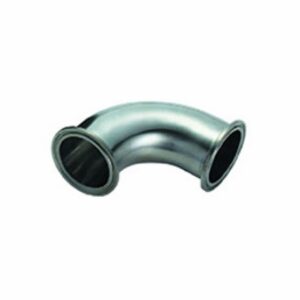
Stainless steel pipes and fittings offer exceptional mechanical strength and impact resistance. Unlike plastic or traditional metal pipes, they can withstand high pressures, mechanical stress, and heavy usage, making them ideal for industrial and commercial plumbing systems.
Stainless steel is highly resistant to corrosion and chemical exposure, which is critical for wastewater and industrial effluents. This makes stainless steel systems particularly suitable for:
Sustainability is increasingly a priority in construction. Stainless steel is:
By choosing stainless steel sanitary pipes, architects and builders can achieve both performance and environmental responsibility.
1. Residential Buildings
Used in bathrooms, kitchens, and roof drainage systems, stainless steel pipes ensure reliable and hygienic wastewater management for homes and apartments.
2. Commercial Complexes
Hotels, malls, and office buildings rely on stainless steel sanitary systems for long-lasting, low-maintenance plumbing solutions.
3. Industrial Facilities
Factories and manufacturing plants require heavy-duty stainless steel pipes for chemical waste, effluent management, and robust drainage systems.
4. Hospitals and Healthcare Centres
Sanitary systems in medical facilities must meet strict hygiene standards. Stainless steel piping prevents contamination and ensures safe wastewater disposal.
5. Public Infrastructure
Schools, airports, and other public buildings benefit from the durability and corrosion resistance of stainless steel systems, guaranteeing reliable drainage and minimal maintenance over decades.
When selecting stainless steel sanitary pipes and fittings, certain features are essential for long-term performance:
These features make stainless steel sanitary systems superior to traditional alternatives like PVC, cast iron, or cement pipes.
Gencel stainless steel pipes are designed for quick and straightforward installation:
This reduces labor costs, installation time, and disruption during construction.
Stainless steel sanitary systems are virtually maintenance-free:
This combination of durability and hygiene makes stainless steel pipes an economical choice over the system’s lifespan.
Gencel Stainless Steel is a trusted manufacturer and supplier of premium sanitary pipes and fittings. By choosing Gencel products, you benefit from:
Gencel’s commitment to quality and innovation ensures that every plumbing project achieves optimal performance, safety, and hygiene.
Sanitary stainless steel pipes and fittings are a critical component of modern plumbing infrastructure. They provide unmatched hygiene, durability, and sustainability compared to traditional materials. By investing in Gencel Stainless Steel products, architects, builders, and engineers can ensure:
Whether for residential, commercial, or industrial projects, Gencel stainless steel sanitary systems offer the smart, sustainable solution for modern infrastructure.
Q1. Are stainless steel pipes suitable for hot water?
Ans: Yes, stainless steel pipes can safely handle hot water and maintain long-term performance without deformation or corrosion.
Q2. How long do Gencel stainless steel pipes last?
Ans: With proper installation, Gencel stainless steel pipes can last several decades, outperforming traditional piping materials.
Q3. Can stainless steel replace PVC SWR systems?
Ans: Yes, stainless steel provides superior durability, corrosion resistance, and hygiene, making it a reliable alternative to PVC in most applications.
Q4. Are stainless steel pipes suitable for industrial wastewater?
Ans: Absolutely. Their corrosion and chemical resistance make them ideal for industrial effluent and heavy-duty plumbing systems.
Q5. What makes Gencel stainless steel pipes superior to traditional materials?
Ans: Gencel pipes offer leak-proof joints, smooth internal surfaces, long service life, corrosion resistance, and eco-friendly construction, ensuring reliable and hygienic plumbing solutions.
Q6. Can stainless steel pipes be used outdoors?
Ans: Yes, stainless steel pipes are UV-resistant and suitable for both indoor and outdoor plumbing applications.
Q7. Do stainless steel systems require special maintenance?
Ans: Minimal maintenance is needed thanks to corrosion resistance and smooth flow surfaces, reducing the risk of blockages.
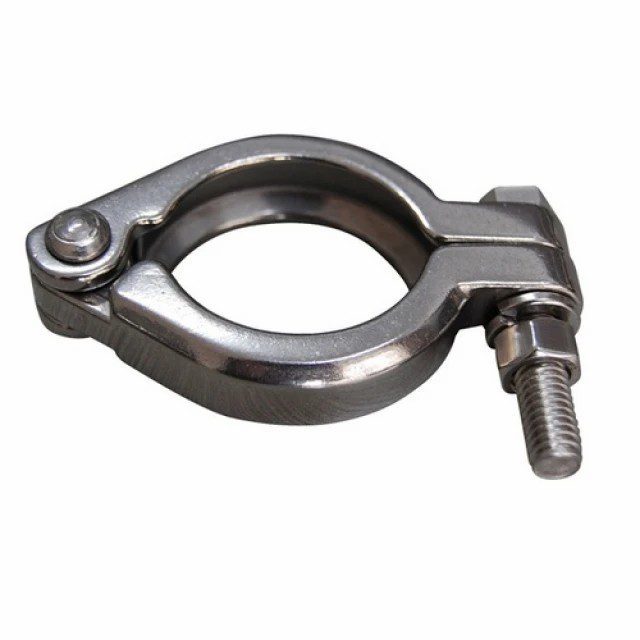
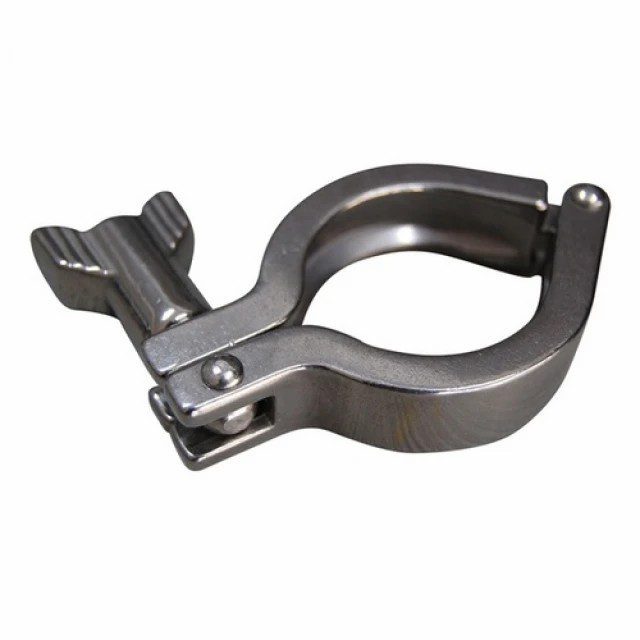
Q8. What types of fittings are available for stainless steel systems?
Ans: Elbows, tees, couplers, floor traps, and vent pipes are commonly used in stainless steel sanitary systems.
Q9. Are Gencel pipes cost-effective?
Ans: Yes, despite higher initial investment, stainless steel pipes reduce long-term maintenance and replacement costs.
Q10. Can Gencel pipes be customized?
Ans: Yes, Gencel provides custom lengths, diameters, and fittings to match project specifications.


STAINLESS STEEL&GENCEL;
Privacy Policy | SiteMap
Copyright GENCEL STAINLESS STEEL CO.,LIMITED
 Optimized by Seraphinite Accelerator