- Whatsapp: 8613738300923
- Email: [email protected]


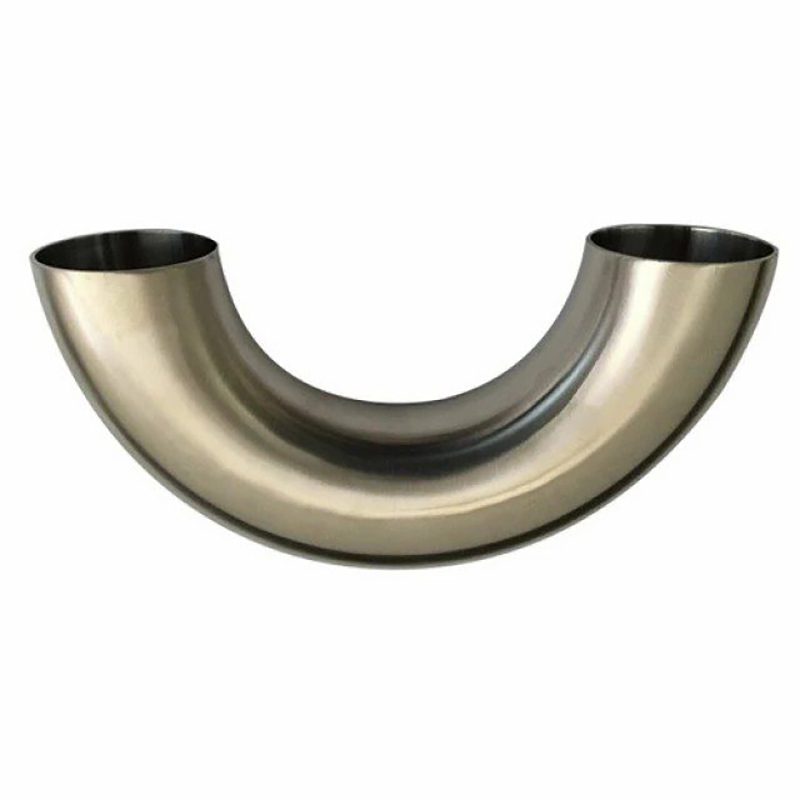
180 degree bends are widely used in electrical, industrial, and utility applications to provide efficient routing of conductors, cables, pipes, and structural components. Because these bends often operate under mechanical stress and environmental exposure, proper selection, installation, and maintenance are essential for maximizing their service life. By following best practices, operators can reduce failures, lower maintenance costs, and improve overall system reliability.
The longevity of a 180 degree bend depends on several factors, including:
Material quality
Environmental conditions
Mechanical loads
Corrosion exposure
Installation practices
Maintenance frequency
Identifying and managing these factors can significantly improve the durability of the component.
Material selection is one of the most important factors influencing service life. Different applications require different levels of strength, conductivity, and corrosion resistance.
Common materials include:
Galvanized steel for outdoor utility installations
Stainless steel for corrosive environments
Copper for electrical conductivity applications
Aluminum for lightweight installations
Selecting a material that matches the operating environment helps prevent premature wear and degradation.
Incorrect installation can place unnecessary stress on a 180 degree bend, leading to deformation, cracking, or connection failure.
To ensure proper installation:
Follow manufacturer specifications
Use the correct mounting hardware
Avoid excessive tightening
Maintain proper alignment
Verify load distribution across the connection
Proper installation reduces mechanical stress and supports long-term performance.
Outdoor and industrial environments expose components to moisture, chemicals, salt spray, UV radiation, and temperature fluctuations.
To minimize environmental damage:
Use corrosion-resistant materials
Apply protective coatings when necessary
Inspect coatings regularly for damage
Clean accumulated dirt and contaminants
Replace damaged components before corrosion spreads
Preventing corrosion helps preserve structural integrity and extends operational life.
180 degree bends are designed to handle specific load capacities. Exceeding these limits can cause permanent deformation and reduce service life.
Common sources of excessive stress include:
Overloaded conductors or cables
Improper support structures
Vibration from machinery
Thermal expansion and contraction
Repeated mechanical impact
Proper system design and support can help minimize these stress factors.
Routine inspections help identify potential issues before they become major failures.
Inspection points should include:
Signs of corrosion
Surface cracks
Deformation or bending
Loose fasteners
Coating damage
Wear caused by vibration
Early detection allows for timely corrective action and reduces repair costs.
In electrical applications, poor connections can generate heat, which may accelerate material deterioration.
To maintain optimal performance:
Ensure tight and secure connections
Check for signs of overheating
Monitor contact surfaces for oxidation
Replace worn or damaged hardware
Good electrical contact helps prevent thermal damage and improves reliability.
Vibration is a common cause of fatigue failure in industrial and utility installations.
Methods for reducing vibration-related wear include:
Using appropriate support brackets
Installing vibration-dampening components
Securing cables and conductors properly
Periodically checking connection tightness
Reducing vibration extends component life and improves system stability.
A preventive maintenance schedule can greatly increase the lifespan of 180 degree bends.
An effective program should include:
Scheduled inspections
Cleaning procedures
Corrosion monitoring
Hardware replacement when necessary
Documentation of maintenance activities
Consistent maintenance helps ensure long-term reliability and minimizes unexpected failures.
For installations in particularly harsh environments, upgrading to higher-performance materials or protective finishes may provide significant benefits.
Examples include:
Hot-dip galvanized coatings
Marine-grade stainless steel
Specialized anti-corrosion treatments
UV-resistant protective finishes
These enhancements can substantially increase service life in demanding conditions.
Extending the service life of 180 degree bends requires a combination of proper material selection, correct installation, environmental protection, and regular maintenance. By reducing mechanical stress, preventing corrosion, conducting routine inspections, and following preventive maintenance practices, operators can maximize the durability and performance of their systems. Investing in high-quality components and proactive care not only extends service life but also improves safety, reliability, and overall operational efficiency.
What is the most common cause of failure in 180 degree bends?
Corrosion, excessive mechanical stress, improper installation, and vibration are among the most common causes of premature failure.
Which material offers the best corrosion resistance?
Stainless steel generally provides excellent corrosion resistance, especially in marine and chemical environments.
How often should 180 degree bends be inspected?
Inspection frequency depends on the application and environment, but critical installations typically benefit from regular scheduled inspections.
Can protective coatings increase service life?
Yes. Galvanized, powder-coated, and other protective finishes help prevent corrosion and environmental damage.
Why is proper installation important?
Correct installation minimizes mechanical stress, ensures proper load distribution, and reduces the risk of premature wear or failure.

STAINLESS STEEL&GENCEL;
Privacy Policy | SiteMap
Copyright GENCEL STAINLESS STEEL CO.,LIMITED
 Optimized by Seraphinite Accelerator