- Whatsapp: 8613738300923
- Email: [email protected]


Choosing the right stainless pipe suppliers is essential for ensuring the quality, reliability, and long-term performance of your piping systems. Stainless steel pipes are widely used in industries such as oil and gas, chemical processing, food and beverage, pharmaceuticals, construction, water treatment, and energy. Because these applications often involve demanding operating conditions, selecting a dependable supplier is just as important as selecting the right product.
While many suppliers offer similar products, their manufacturing capabilities, quality standards, certifications, and customer support can vary significantly. A reliable supplier not only delivers high-quality stainless steel pipes but also provides technical expertise, consistent supply, and responsive after-sales service.
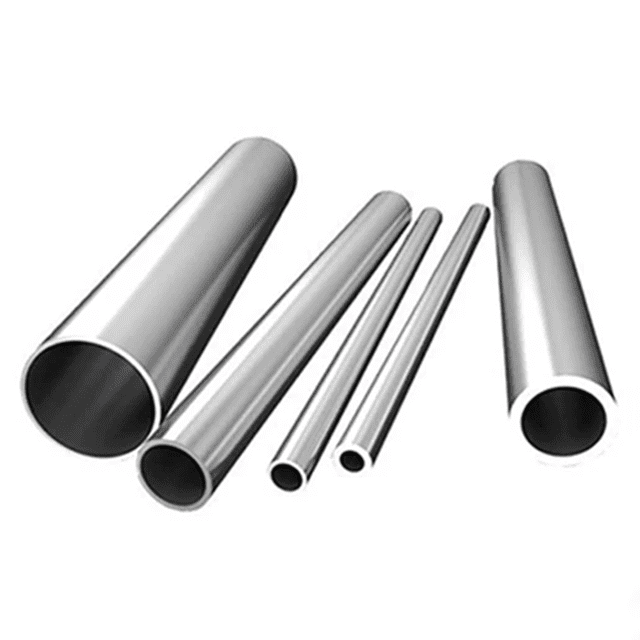
The performance of your piping system depends heavily on the quality of the pipes you purchase. Poor-quality products can lead to corrosion, leakage, production downtime, and increased maintenance costs.
Working with a trusted supplier offers several advantages:
Consistent product quality
Reliable delivery schedules
Compliance with international standards
Lower maintenance costs
Better project efficiency
Long-term technical support
Stable supply for future orders
A professional supplier becomes a valuable business partner rather than simply a product vendor.
Before contacting suppliers, clearly identify your application requirements.
Consider the following:
Industry Application
Different industries require different pipe specifications.
Examples include:
Food and beverage processing
Pharmaceutical manufacturing
Chemical plants
Oil and gas
Water treatment
Construction
Power generation
Pipe Specifications
Determine:
Pipe diameter
Wall thickness
Length
Schedule (SCH)
Pressure rating
Temperature range
Material Grade
Common stainless steel grades include:
304 Stainless Steel
304L Stainless Steel
316 Stainless Steel
316L Stainless Steel
Duplex Stainless Steel
Selecting the appropriate grade ensures corrosion resistance and long service life.
Manufacturing Type
Choose the pipe type that fits your application:
Seamless stainless steel pipes
Welded stainless steel pipes
Sanitary stainless steel pipes
Precision stainless steel tubes
Providing complete specifications helps suppliers recommend the most suitable products.
Experience is one of the strongest indicators of supplier reliability.
Professional stainless pipe suppliers typically have:
Many years of manufacturing or export experience
Skilled engineering teams
Extensive industry knowledge
Stable production processes
Global customer references
Experienced suppliers understand international standards and can provide practical recommendations for different applications.
Quality should always be the top priority.
Reliable suppliers implement strict quality control throughout production.
Important quality indicators include:
High-Quality Raw Materials
Ensure the supplier uses certified stainless steel from reputable steel mills.
Request:
Material certificates
Mill Test Certificates (MTC)
Chemical composition reports
Precision Manufacturing
Modern production equipment should include:
CNC machinery
Automatic welding systems
Precision cutting equipment
Straightening machines
Polishing equipment
Advanced manufacturing improves dimensional accuracy and product consistency.
Surface Finish
Depending on your application, suppliers should offer different surface finishes, such as:
Pickled
Bright Annealed (BA)
Mirror polished
Mechanical polished
Electropolished
For hygienic industries, smoother surface finishes improve cleanliness and corrosion resistance.
Reliable stainless pipe suppliers comply with recognized international standards.
Common certifications include:
ISO 9001 Quality Management System
ASTM Standards
ASME Standards
EN Standards
PED Certification
CE Certification
FDA Compliance (for sanitary applications)
These certifications demonstrate a commitment to product quality and regulatory compliance.
Professional suppliers conduct multiple inspections before shipment.
Typical testing includes:
Chemical Composition Testing
Confirms material grade.
Mechanical Property Testing
Measures:
Tensile strength
Yield strength
Elongation
Hardness
Dimensional Inspection
Ensures compliance with specified tolerances.
Hydrostatic Testing
Verifies pressure resistance and leak-free performance.
Non-Destructive Testing (NDT)
Depending on the application, suppliers may perform:
Ultrasonic testing
Eddy current testing
X-ray inspection
Comprehensive testing reduces the risk of installation and operational failures.
Reliable suppliers should have sufficient production capacity to support both small and large orders.
Consider:
Factory size
Number of production lines
Monthly output
Inventory levels
Export capacity
A supplier with strong production capabilities can better meet project deadlines and urgent requirements.
Many industrial projects require customized products.
Professional stainless pipe suppliers often provide:
Custom lengths
Special diameters
Unique wall thicknesses
Surface treatment options
End processing
Laser marking
Custom packaging
OEM branding
Customization helps meet specific project and branding requirements.
Reliable delivery is critical for project success.
Ask suppliers about:
Standard production lead times
Inventory availability
Shipping methods
Export documentation
Emergency production capability
Consistent delivery minimizes project delays and inventory shortages.
Professional suppliers provide technical assistance throughout the purchasing process.
Support may include:
Material selection
Product recommendations
Engineering drawings
Technical documentation
Installation guidance
Application advice
Troubleshooting support
Strong technical support improves purchasing confidence and reduces project risks.
Choosing the lowest-priced supplier may result in higher long-term costs.
Instead, evaluate total value by considering:
Product quality
Material authenticity
Manufacturing capability
Certifications
Inspection procedures
Delivery reliability
Warranty
Technical support
After-sales service
The best supplier offers the highest value—not necessarily the lowest price.
Before placing an order, ask these important questions:
How long have you been supplying stainless steel pipes?
What material grades do you offer?
Can you provide Mill Test Certificates (MTC)?
Which international standards do your products meet?
What testing procedures are performed?
Do you offer OEM or custom manufacturing?
What is your production lead time?
Can I request product samples?
What warranty do you provide?
How do you handle quality claims?
The answers help you evaluate the supplier’s professionalism and reliability.
Many buyers make avoidable mistakes when selecting stainless pipe suppliers.
Choosing Based Only on Price
Low-cost products may compromise material quality and manufacturing standards.
Ignoring Certifications
Certified products are more likely to meet international requirements.
Not Requesting Material Certificates
Material verification is essential for critical applications.
Overlooking Quality Control
Comprehensive inspection helps prevent costly failures.
Ignoring After-Sales Service
Technical support is valuable throughout the product lifecycle.
Avoiding these mistakes reduces procurement risks.
An experienced supplier offers long-term advantages, including:
High-quality stainless steel pipes
Stable supply chain
International certifications
Advanced manufacturing technology
Strict quality inspection
Flexible OEM services
Competitive pricing
Reliable delivery
Responsive technical support
Building a long-term partnership improves procurement efficiency and product consistency.
Selecting reliable stainless pipe suppliers is about much more than comparing prices. The right supplier should offer certified materials, advanced manufacturing capabilities, comprehensive quality control, international certifications, flexible customization, dependable delivery, and strong technical support.
By carefully evaluating suppliers before placing an order, you can reduce procurement risks, improve project efficiency, and ensure your piping systems deliver reliable performance for years to come. Whether you need seamless pipes, welded pipes, or sanitary stainless steel tubing, partnering with a trusted supplier is a smart investment in the success of your business.
1. What should I look for in stainless pipe suppliers?
Look for suppliers with extensive industry experience, certified materials, advanced manufacturing facilities, international certifications, strict quality control, and reliable customer support.
2. Which certifications are important when buying stainless steel pipes?
Common certifications include ISO 9001, ASTM, ASME, EN, PED, CE, and FDA compliance for sanitary applications.
3. Why are Mill Test Certificates (MTC) important?
Mill Test Certificates verify the material’s chemical composition and mechanical properties, ensuring the stainless steel pipes meet the required specifications and quality standards.
4. Can stainless pipe suppliers provide customized products?
Yes. Many professional suppliers offer OEM and custom services, including special dimensions, wall thicknesses, surface finishes, laser marking, and private-label packaging.
5. How can I verify the quality of stainless steel pipes?
Request material certificates, review inspection reports, ask about testing methods such as hydrostatic and non-destructive testing, and evaluate product samples before placing a bulk order.
6. Why is after-sales support important when choosing a supplier?
Reliable after-sales service provides technical guidance, warranty assistance, troubleshooting, and timely solutions, helping ensure smooth installation and long-term product performance.


STAINLESS STEEL&GENCEL;
Privacy Policy | SiteMap
Copyright GENCEL STAINLESS STEEL CO.,LIMITED
 Optimized by Seraphinite Accelerator