- Whatsapp: 8613738300923
- Email: [email protected]


Understanding the different types of sanitary fittings and their applications is essential for engineers, plant managers, and procurement professionals seeking high-quality solutions that meet demanding standards.
Sanitary fittings are specialized components designed for hygienic piping systems. Unlike standard plumbing fittings, these fittings are engineered to minimize contamination risk, withstand harsh cleaning procedures, and ensure smooth, crevice-free fluid flow. Below are the most commonly used types of sanitary fittings and their key features:
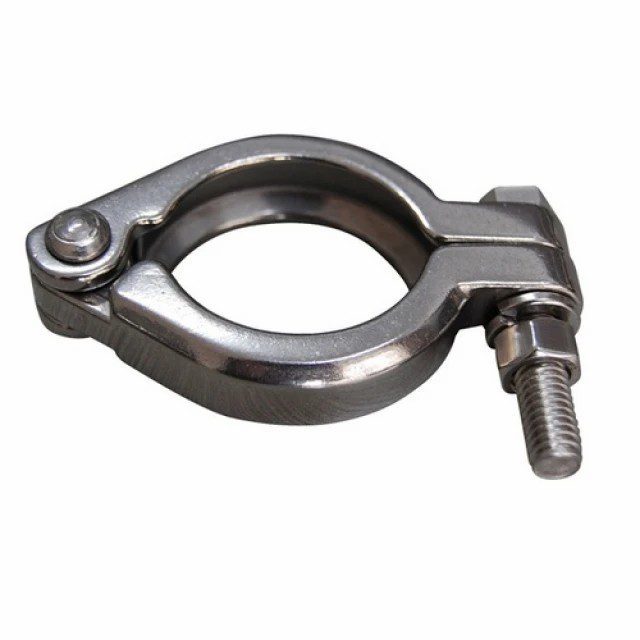
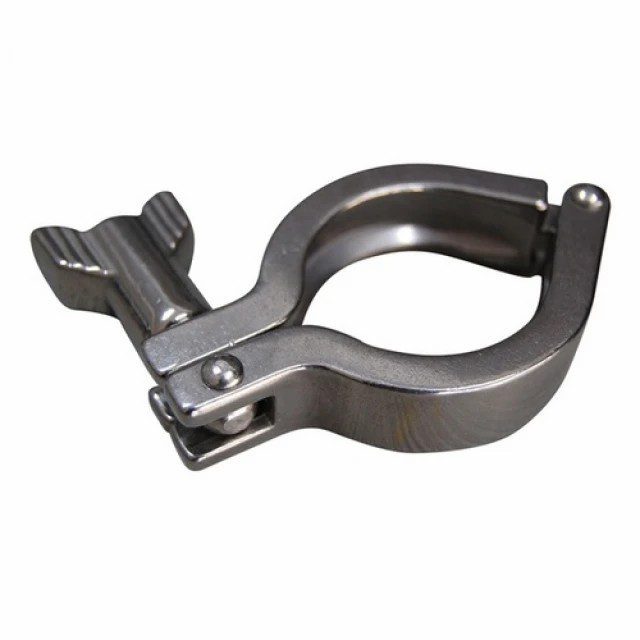
Tri-clamp fittings, also known as tri-clover fittings, are among the most widely used types of sanitary fittings. They consist of a clamp, ferrule, and gasket, creating a secure, leak-proof connection between pipes or process equipment.

Tri-clamp fittings excel in applications where ease of maintenance and compliance with hygiene standards are critical.
These fittings are essential for directing or splitting fluid flow in hygienic piping systems.
Elbows, tees, and crosses are critical for maintaining smooth internal surfaces, reducing contamination risk, and supporting efficient cleaning-in-place (CIP) procedures.
Clamps and gaskets maintain the integrity of sanitary joints, ensuring leak-proof connections.
These components ensure that types of sanitary fittings remain secure under operational conditions while supporting quick maintenance and assembly.
Sanitary valves control flow and help isolate equipment for cleaning or sampling. The main types include:
Valves may be manual or actuated and must be compatible with CIP and steam-in-place (SIP) protocols. Their proper selection is essential for safety, efficiency, and system reliability.

These fittings adjust pipe diameters, connect dissimilar components, or provide access points for instrumentation.
These components contribute to the flexibility and scalability of sanitary piping systems.
Used for flexible hose connections or line terminations, hose barb fittings and end caps provide mobility and easy changeover in sanitary systems.
Hose barb fittings are especially valuable in mobile or temporary setups where frequent disassembly is required.
Understanding the applications of types of sanitary fittings helps in selecting the right components for each industry:
In all sectors, proper selection of types of sanitary fittings reduces contamination risk, simplifies maintenance, and ensures long-term operational reliability.
Selecting the correct types of sanitary fittings involves evaluating several key factors:
Gencel Stainless Steel provides complete documentation for material traceability, surface finish certification, and compliance verification, ensuring confidence in high-purity applications.
| Fitting Type | Material | Common Applications | Key Benefits |
|---|---|---|---|
| Tri-Clamp | 304/316L SS | Dairy, Beverage | Easy cleaning, leak-proof |
| Elbows & Tees | 304/316L SS | Pharmaceutical, Biotech | Smooth flow, reduce bacterial growth |
| Valves | 304/316L SS | Food, Pharma | Flow control, CIP/SIP compatible |
| Clamps & Gaskets | EPDM/PTFE/Silicone | All hygienic systems | Secure, chemical resistant |
| Hose Barbs | 304 SS | Flexible lines | Easy attachment, mobility |
Choosing the right types of sanitary fittings is vital for maintaining product integrity, operational efficiency, and compliance with strict hygiene standards. From tri-clamp connections to sanitary valves and reducers, every component must meet high standards of material quality, cleanability, and durability.
Gencel Stainless Steel offers a full range of high-quality stainless steel sanitary fittings designed for demanding industrial applications. With global availability, fast delivery, and customizable solutions, Gencel ensures that procurement professionals and engineers can rely on their fittings to meet the highest standards. Explore Gencel Stainless Steel’s complete selection today to find the perfect sanitary fittings for your system.



STAINLESS STEEL&GENCEL;
Privacy Policy | SiteMap
Copyright GENCEL STAINLESS STEEL CO.,LIMITED
 Optimized by Seraphinite Accelerator