- Whatsapp: 8613738300923
- Email: [email protected]


Stainless Steel Plumbing Fittings play a crucial role in modern plumbing, industrial, and commercial applications. Whether for residential water systems, large-scale industrial pipelines, or HVAC systems, high-quality fittings ensure durability, leak-proof connections, and long-term reliability. In this guide, we will explore the types of stainless steel plumbing fittings, their applications, advantages, and tips for choosing the right fittings for your projects.
Stainless Steel Plumbing Fittings are components used to connect, redirect, regulate, or terminate pipelines. They are essential in creating an efficient plumbing system that can handle water, gas, chemicals, or other fluids safely. Compared to materials like PVC, PPR, or brass, stainless steel offers superior corrosion resistance, high-temperature tolerance, and long-term durability. These fittings are widely used in residential, commercial, and industrial setups due to their strength and hygiene benefits.
Key functions include:
Elbows are designed to change the direction of pipelines. They commonly come in 45°, 90°, and 180° angles, allowing pipelines to navigate corners or adjust vertical and horizontal directions.

Applications: Residential water supply, HVAC systems, industrial pipelines.
Materials: Stainless steel grades 304 and 316 are preferred for corrosion resistance.
Tees have a “T” shape and allow the branching of pipelines. They can connect pipes of the same diameter or include a reducing branch.
Applications: Water distribution systems, gas pipelines, and irrigation networks.
Couplings join two pipes of the same or different diameters. Unions allow for quick disassembly without damaging the system.
Applications: Heating systems, gas distribution, industrial fluid networks.
Reducers enable smooth transitions between pipes of different diameters, preventing flow disruption.
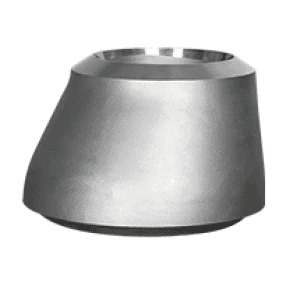
Adapters connect pipes of different materials or diameters, such as stainless steel to PVC or threaded to non-threaded pipes.
Applications: Residential retrofits, industrial plant modifications.
| Type of Stainless Steel Fitting | Primary Function | Typical Applications |
|---|---|---|
| Elbows (45°, 90°, 180°) | Change pipe direction | Water supply systems, HVAC pipelines, industrial piping |
| Tees & Reducing Tees | Branch pipelines or reduce flow size | Water distribution networks, gas pipelines, irrigation systems |
| Couplings & Unions | Connect two pipes (same or different diameters) | Heating systems, gas distribution, industrial fluid transport |
| Reducers (Concentric & Eccentric) | Smooth transition between different pipe diameters | Industrial pipelines, vertical and horizontal water lines |
| Adapters | Connect pipes of different materials or sizes | PVC to stainless steel transitions, retrofits, plant modifications |
| Caps & Plugs | Seal open pipe ends | Construction, maintenance, testing of water/gas pipelines |
| Bushings | Reduce pipe diameter | Residential plumbing, irrigation, drainage systems |
| Valves (Gate, Ball, Check) | Control or stop fluid flow | Industrial fluid networks, HVAC, chemical processing |
| Flange Fittings | Secure connections, easy disassembly | High-pressure pipelines, chemical plants, water treatment facilities |
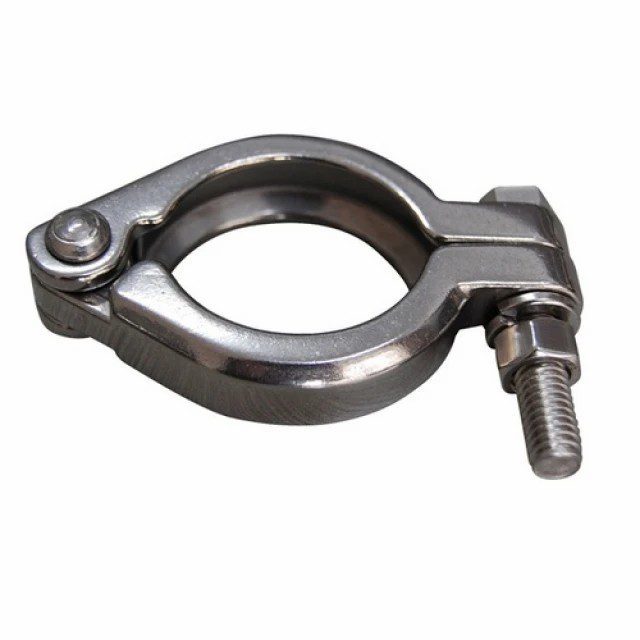
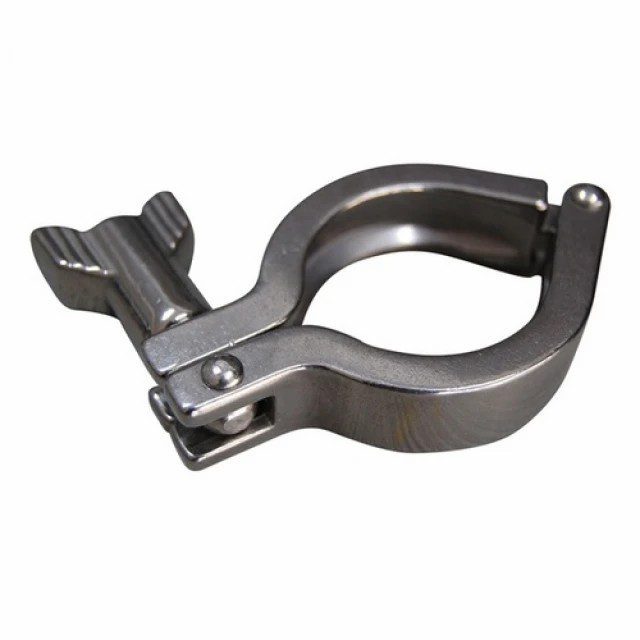
| Clamps & Supports | Secure pipes, prevent vibration/movement | Water supply lines, HVAC systems, industrial pipelines |
| Tank Connectors | Connect pipes to storage tanks | Rainwater harvesting, water storage, chemical storage systems |
| Bypass Bends | Allow alternate flow paths during maintenance | Filtration systems, pumps, heat exchangers |
Stainless Steel Plumbing Fittings are used across a variety of applications due to their durability, hygiene, and chemical resistance.
| Application | Examples of Use |
|---|---|
| Residential Plumbing | Hot and cold water supply, kitchen, bathroom pipelines |
| Commercial Buildings | Hotels, offices, shopping malls |
| Industrial Piping | Chemical processing, food & beverage pipelines, high-pressure fluid transport |
| HVAC Systems | Heating, ventilation, and air conditioning pipelines |
| Agricultural Irrigation | Sprinklers, drip irrigation, water storage systems |
Stainless steel is increasingly preferred over PVC, PPR, or brass for modern plumbing due to its remarkable properties:
Gencel Stainless Steel is a leading provider of high-quality stainless steel plumbing fittings worldwide. Their product range includes:
Highlights:
Gencel Stainless Steel ensures that each fitting is durable, corrosion-resistant, and suitable for long-term use in any plumbing system.
High-quality stainless steel plumbing fittings are vital for the efficiency, safety, and longevity of modern plumbing and industrial systems. From basic elbows to advanced valves and flanges, choosing the right material and design can significantly impact system performance. Gencel Stainless Steel provides a trusted range of fittings designed for durability, reliability, and ease of installation. For global buyers seeking leak-proof, corrosion-resistant plumbing solutions, Gencel Stainless Steel is the go-to choice.
Q1: What are stainless steel plumbing fittings used for?
A: They connect, redirect, regulate, and terminate pipelines in residential, commercial, and industrial systems.
Q2: What is the difference between elbows, tees, and reducers?
A: Elbows change direction, tees branch the flow, and reducers connect pipes of different diameters.
Q3: Why is stainless steel preferred over PVC or PPR?
A: Stainless steel is corrosion-resistant, durable, heat-tolerant, and ideal for long-term plumbing solutions.
Q4: How do I select the right stainless steel fitting for industrial applications?
A: Consider fluid type, temperature, pressure, pipe diameter, and compliance with ISO/ASTM standards.
Q5: Are custom fittings available?
A: Yes, Gencel Stainless Steel offers custom fittings tailored to specific project requirements.
Q6: How should I maintain stainless steel plumbing fittings?
A: Regular inspection, cleaning, and ensuring proper installation minimize corrosion and maintain system performance.
Q7: Can stainless steel fittings be used for both hot and cold water?
A: Yes, stainless steel handles a wide temperature range, making it suitable for hot and cold water lines.
Q8: What grades of stainless steel are commonly used for plumbing?
A: Grades 304 (standard) and 316 (highly corrosion-resistant) are most commonly used.
Q9: Are stainless steel fittings recyclable?
A: Yes, stainless steel is eco-friendly and can be recycled without quality loss.
Q10: What industries use stainless steel plumbing fittings?
A: Residential, commercial, industrial, chemical processing, HVAC, and agricultural irrigation sectors.


STAINLESS STEEL&GENCEL;
Privacy Policy | SiteMap
Copyright GENCEL STAINLESS STEEL CO.,LIMITED
 Optimized by Seraphinite Accelerator