- Whatsapp: 8613738300923
- Email: [email protected]


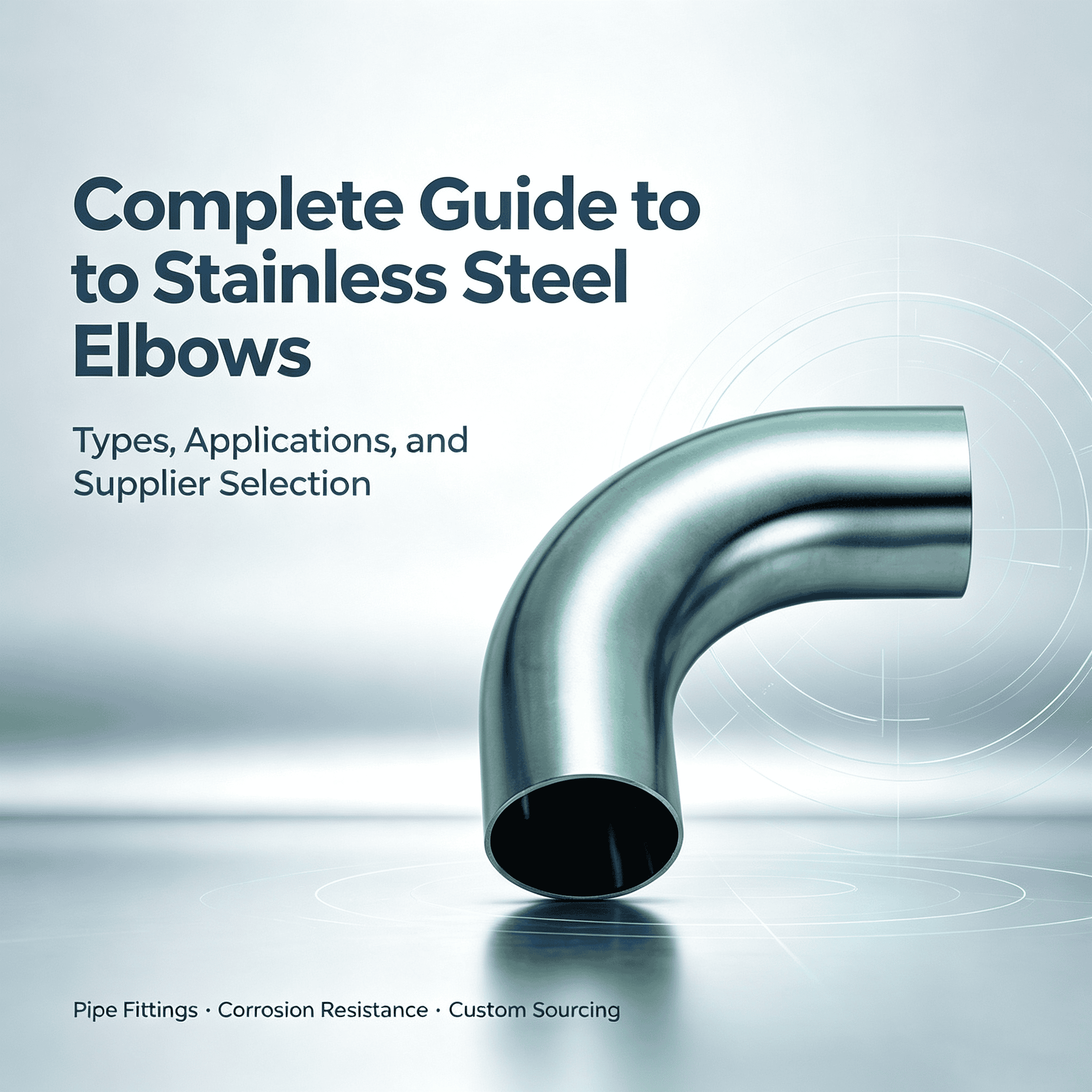
In modern piping systems, selecting the right components is essential for ensuring efficient fluid transportation, system reliability, and long-term performance. Among various pipe fittings, stainless steel elbows are widely used because they allow pipelines to change direction while maintaining strength, durability, and corrosion resistance.
From chemical processing plants and food production facilities to oil and gas systems and industrial manufacturing, stainless steel elbows play an important role in connecting pipes and optimizing pipeline layouts.
However, choosing the right elbow type and a reliable Stainless Steel Elbows Supplier can significantly affect the safety, efficiency, and service life of a piping system. This guide introduces the main types of stainless steel elbows, their applications, and key factors to consider when selecting a supplier.

A stainless steel elbow is a pipe fitting designed to change the direction of a pipeline. It is commonly installed between two pipes to create a smooth flow transition while reducing installation complexity.
Unlike traditional carbon steel fittings, stainless steel elbows offer excellent resistance to corrosion, oxidation, and high temperatures, making them suitable for demanding industrial environments.
Common stainless steel elbow materials include:
SS 304: General-purpose stainless steel with good corrosion resistance and cost efficiency.
SS 316: Provides enhanced corrosion resistance, especially in chemical, marine, and pharmaceutical environments.
Duplex Stainless Steel: Used for applications requiring higher strength and resistance to severe corrosion.
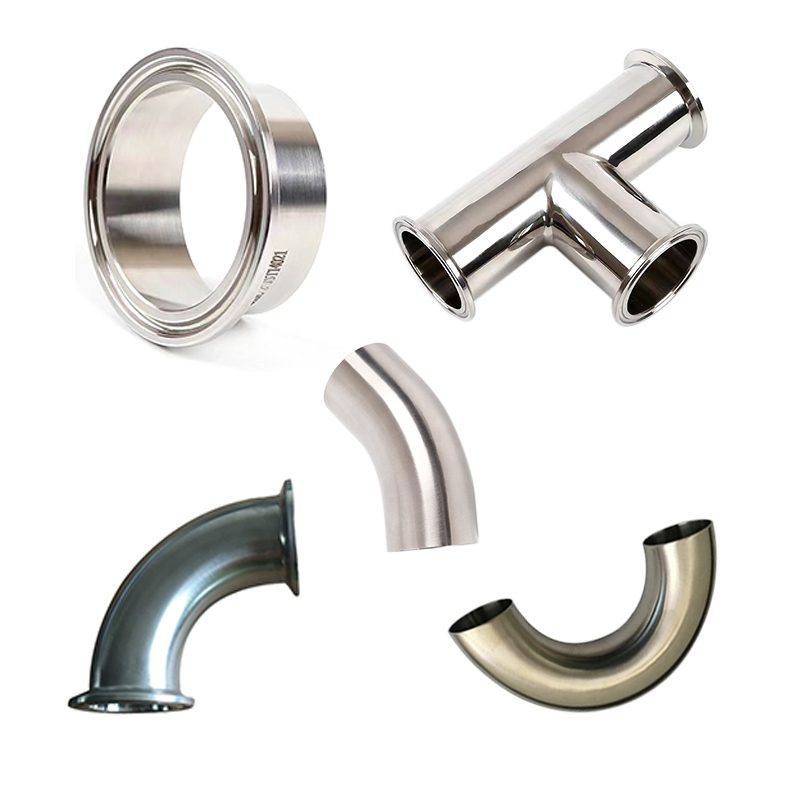
Stainless steel elbows are available in different designs to meet various pipeline requirements. Understanding the differences helps engineers select the most suitable fitting for each application.
90-Degree Stainless Steel Elbows
The 90-degree elbow is the most commonly used type of stainless steel elbow. It changes the pipeline direction by 90 degrees and is widely used in compact piping layouts.
Key features include:
Sharp directional change
Easy installation
Suitable for limited-space applications
Available in welded and seamless designs
Typical applications include:
Industrial piping systems
Water supply systems
Chemical processing equipment
Food processing pipelines
45-Degree Stainless Steel Elbows
A 45-degree elbow creates a smoother direction change compared with a 90-degree elbow. It helps reduce pressure loss and improves fluid flow efficiency.
Advantages include:
Lower turbulence
Reduced flow resistance
Improved pipeline performance
45-degree elbows are commonly used in:
HVAC systems
Process piping
Water treatment facilities
Industrial fluid transportation systems
Long Radius Stainless Steel Elbows
Long radius elbows have a centerline radius that is typically 1.5 times the pipe diameter. Their smoother curve reduces friction and pressure drop.
Benefits include:
Better flow efficiency
Lower energy consumption
Reduced turbulence
Longer service life
They are often used in applications where smooth material flow is critical, such as:
Oil and gas pipelines
Chemical plants
Pharmaceutical systems
Short Radius Stainless Steel Elbows
Short radius elbows have a tighter curve and require less installation space.
Advantages:
Compact design
Suitable for restricted areas
Lower material requirements
They are commonly used in:
Small piping systems
Equipment connections
Space-limited installations
Seamless Stainless Steel Elbows
Seamless elbows are manufactured from seamless pipes and provide excellent strength and reliability.
Features include:
No welded joints
High pressure resistance
Better structural integrity
They are preferred for:
High-pressure systems
Oil and gas applications
Chemical processing industries
Welded Stainless Steel Elbows
Welded elbows are produced by forming and welding stainless steel plates or pipes.
Advantages:
Cost-effective production
Suitable for large sizes
Flexible customization options
They are widely used in:
General industrial piping
Construction projects
Low and medium-pressure systems
Due to their excellent mechanical properties and corrosion resistance, stainless steel elbows are used across many industries.
Food and Beverage Industry
Food processing systems require hygienic and corrosion-resistant piping components. Stainless steel elbows are commonly used in:
Beverage production lines
Dairy processing equipment
Food transportation systems
SS 304 and SS 316 elbows are preferred because they are easy to clean and resistant to contamination.
Pharmaceutical Industry
Pharmaceutical production requires strict hygiene standards and reliable equipment performance.
Stainless steel elbows are used in:
Sterile processing systems
Cleanroom piping
Chemical transfer pipelines
The smooth surface finish helps prevent bacteria accumulation and supports effective cleaning procedures.
Chemical Processing Industry
Chemical plants often handle corrosive fluids and high-temperature materials. Stainless steel elbows provide:
Excellent chemical resistance
High temperature performance
Long operational life
SS 316 elbows are especially suitable for aggressive chemical environments.
Oil and Gas Industry
Pipeline systems in oil and gas applications require fittings that can withstand pressure, vibration, and harsh environments.
Stainless steel elbows help provide:
Reliable connections
Improved pipeline flexibility
Resistance to corrosion and extreme conditions
Water Treatment Systems
Water treatment facilities use stainless steel elbows because they provide:
Long-term corrosion resistance
Low maintenance requirements
Reliable fluid control
They are commonly installed in filtration systems, pumps, and distribution pipelines.
Excellent Corrosion Resistance
Stainless steel naturally forms a protective chromium oxide layer that helps prevent rust and corrosion.
This makes stainless steel elbows suitable for:
Moist environments
Chemical exposure
Outdoor installations
High Strength and Durability
Stainless steel elbows maintain excellent mechanical strength even under demanding conditions.
Benefits include:
Resistance to pressure
Better impact performance
Long service life
Temperature Resistance
Stainless steel can maintain its performance under both high and low temperature conditions.
This makes stainless steel elbows suitable for:
Heat processing systems
Steam pipelines
Industrial equipment
Hygienic Performance
The smooth surface of stainless steel reduces the risk of contamination and makes cleaning easier.
This is especially important for:
Food processing
Pharmaceutical production
Beverage manufacturing
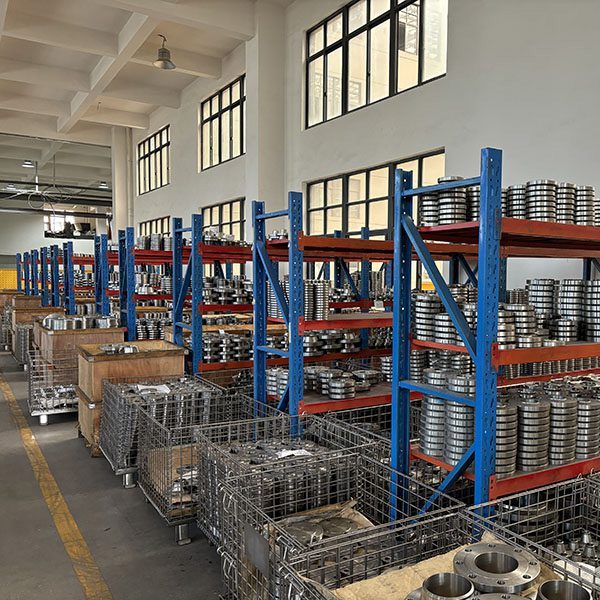
Selecting a reliable supplier is just as important as choosing the correct elbow type. A professional supplier can provide consistent quality, technical support, and customized solutions.
Check Manufacturing Experience
An experienced supplier understands industry requirements and can provide suitable solutions for different applications.
Consider:
Years of manufacturing experience
Production capabilities
Industry expertise
Customer references
Evaluate Material Quality
A reliable supplier should provide high-quality stainless steel materials with proper certifications.
Important factors include:
Material grades
Chemical composition
Mechanical properties
Quality inspection reports
Review Production Standards
Professional stainless steel elbow manufacturers usually follow strict production procedures.
Check whether the supplier provides:
Dimensional inspection
Pressure testing
Surface quality inspection
Quality certificates
Consider Customization Capabilities
Different projects may require customized fittings.
A capable supplier should offer:
Custom sizes
Special materials
Different connection types
Specific surface finishes
Assess Delivery and Customer Support
A reliable supplier should provide:
Stable production capacity
On-time delivery
Technical assistance
Responsive communication
Long-term cooperation with a professional supplier helps ensure project success.
Compared with carbon steel or plastic elbows, stainless steel elbows provide several advantages:
| Feature | Stainless Steel Elbows | Carbon Steel Elbows | Plastic Elbows |
| Corrosion Resistance | Excellent | Moderate | Good |
| Strength | High | High | Lower |
| Temperature Resistance | Excellent | Good | Limited |
| Hygiene Performance | Excellent | Moderate | Depends on material |
| Service Life | Long | Medium | Medium |
For demanding industrial environments, stainless steel is often the preferred choice.
Stainless steel elbows are essential components in modern piping systems, offering reliable direction changes, excellent corrosion resistance, and long-term durability. From 90-degree and 45-degree elbows to seamless and welded designs, different types are available to meet various industrial requirements.
Choosing the right Stainless Steel Elbows Supplier ensures access to high-quality products, professional technical support, and customized solutions. By evaluating manufacturing experience, material quality, production standards, and service capabilities, businesses can select a supplier that supports safe and efficient piping system operation.
1. What are the most common types of stainless steel elbows?
The most common types include 90-degree elbows, 45-degree elbows, long radius elbows, short radius elbows, seamless elbows, and welded elbows.
2. Which stainless steel grade is best for elbows?
SS 304 is commonly used for general applications, while SS 316 is preferred for environments requiring higher corrosion resistance.
3. How do I choose the right stainless steel elbow size?
The correct size depends on pipe diameter, flow requirements, pressure rating, installation space, and system design.
4. Are stainless steel elbows suitable for high-temperature applications?
Yes. Stainless steel elbows can maintain good mechanical performance under high temperatures, making them suitable for industrial heating and processing systems.
5. Why should I work with an experienced stainless steel elbow supplier?
An experienced supplier can provide reliable quality, customized products, technical support, and consistent delivery for industrial projects.

STAINLESS STEEL&GENCEL;
Privacy Policy | SiteMap
Copyright GENCEL STAINLESS STEEL CO.,LIMITED
 Optimized by Seraphinite Accelerator