- Whatsapp: 8613738300923
- Email: [email protected]


In modern industrial piping systems, selecting the right pipe fittings is essential for ensuring safety, efficiency, and long-term reliability. Among various stainless steel materials, SS 316 fittings are widely recognized for their excellent corrosion resistance, high strength, and outstanding performance in demanding environments.
Compared with SS 304 fittings, stainless steel 316 fittings contain molybdenum, which significantly improves resistance to chloride corrosion, chemicals, and harsh operating conditions. As a result, SS 316 fittings are commonly used in industries where durability and hygiene are critical, including chemical processing, marine engineering, pharmaceuticals, food and beverage, and oil and gas.

SS 316 fittings are pipe connection components manufactured from 316-grade stainless steel. They are designed to connect, control, redirect, or terminate piping systems while maintaining excellent mechanical strength and corrosion resistance.
The addition of molybdenum in SS 316 improves its ability to withstand aggressive environments, especially those containing chlorides, acids, and chemicals. This makes SS 316 fittings suitable for applications where standard stainless steel materials may experience corrosion or reduced service life.
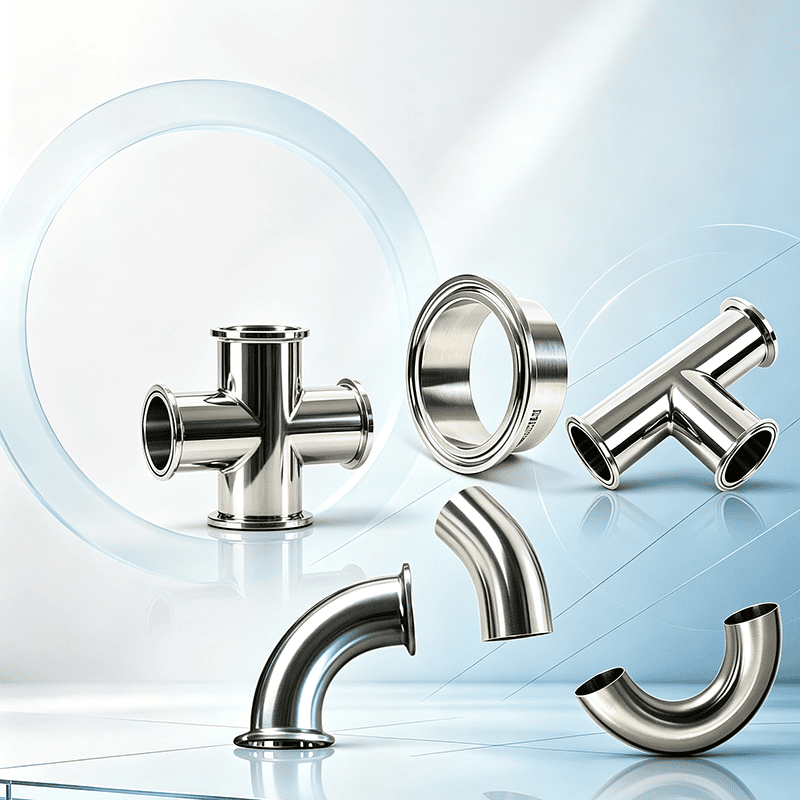
Common SS 316 fittings include elbows, tees, reducers, couplings, and caps, which are available in different sizes, shapes, and connection methods to meet various industrial requirements.
SS 316 Elbows
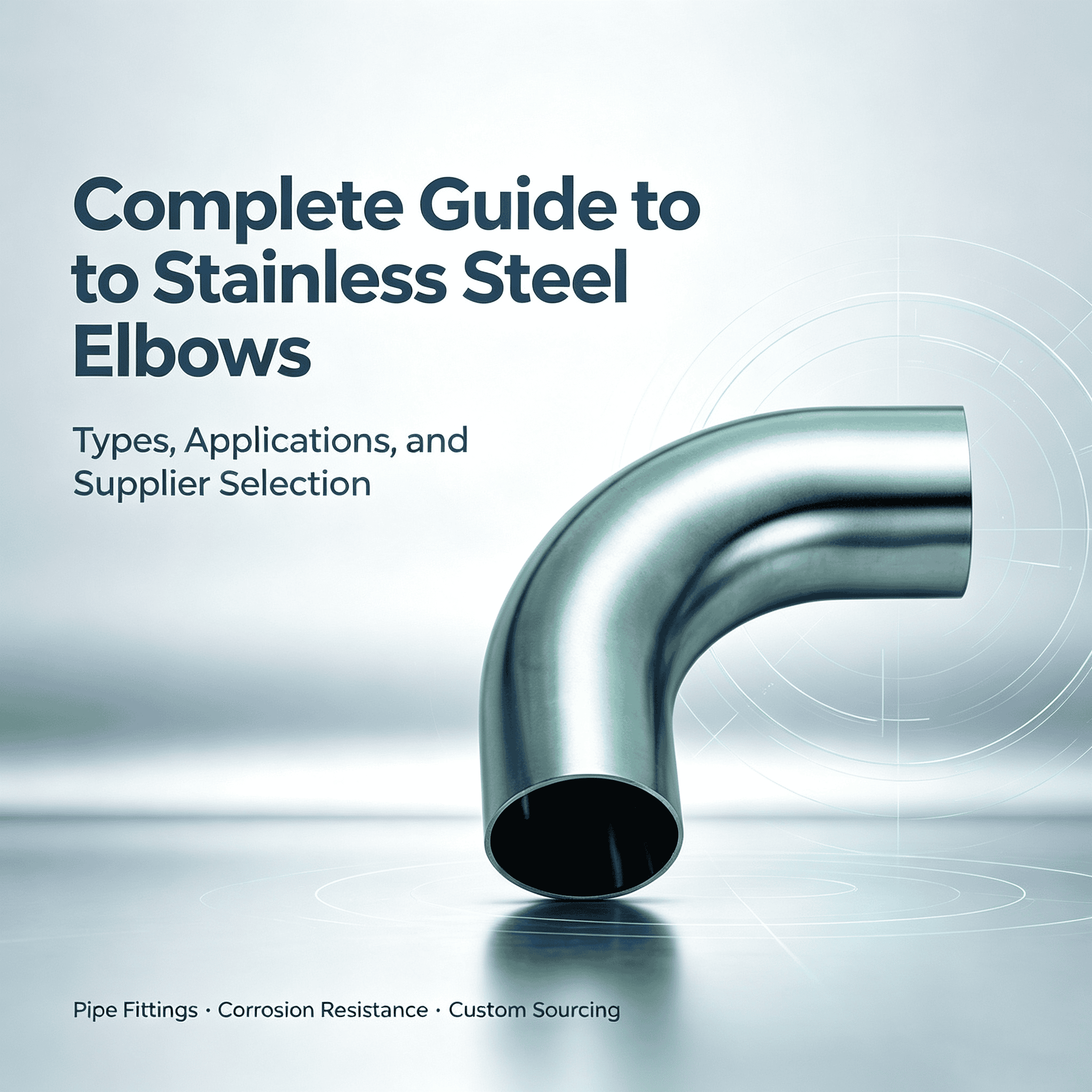
SS 316 elbows are used to change the direction of pipelines while maintaining smooth fluid flow. The most common types include 45-degree and 90-degree elbows.
They are widely used in industries requiring corrosion-resistant piping systems, such as chemical plants, marine facilities, and pharmaceutical equipment.
SS 316 Tees
SS 316 tees allow pipelines to split into different directions, making them ideal for distribution systems. They are commonly used in process piping where multiple flow paths are required.
Their excellent corrosion resistance makes them suitable for transporting chemicals, liquids, and high-purity fluids.
SS 316 Reducers
SS 316 reducers connect pipes with different diameters and help maintain efficient flow transition. They are available in concentric and eccentric designs depending on system requirements.
These fittings are commonly used in industrial pipelines where pressure control and flow efficiency are important.
SS 316 Couplings and Caps
SS 316 couplings are used to connect two pipes, while SS 316 caps are used to close pipeline ends. Both provide strong and reliable connections in demanding environments.
Excellent Corrosion Resistance
The biggest advantage of SS 316 fittings is their superior corrosion resistance. The presence of molybdenum improves resistance against pitting and crevice corrosion, especially in chloride-rich environments.
This makes SS 316 fittings ideal for marine applications, chemical processing systems, and outdoor installations exposed to harsh weather conditions.
High Strength and Durability
SS 316 fittings offer excellent mechanical strength and can withstand high pressure, temperature changes, and demanding operating conditions.
Their long service life helps reduce maintenance frequency and replacement costs, making them a cost-effective solution for industrial piping systems.
Excellent Hygiene Performance
SS 316 has a smooth surface that is easy to clean and maintain. This makes it suitable for industries where hygiene and contamination prevention are important.
Applications include food processing equipment, pharmaceutical production lines, and sanitary piping systems.
Wide Temperature Resistance
SS 316 fittings maintain stable performance under both high and low temperature conditions. This allows them to be used in various industrial environments where temperature fluctuations are common.
Chemical Processing Industry
Chemical plants often handle corrosive liquids and aggressive chemicals. SS 316 fittings provide reliable performance in these environments due to their excellent resistance to chemical corrosion.
They are commonly used in chemical pipelines, reactors, storage systems, and processing equipment.
Food and Beverage Industry
The food and beverage industry requires piping components that meet strict hygiene standards. SS 316 fittings are widely used because they are corrosion-resistant, easy to clean, and suitable for high-purity applications.
They are commonly found in beverage production lines, dairy processing equipment, and food handling systems.
Pharmaceutical Industry
Pharmaceutical manufacturing requires high-quality materials that prevent contamination and maintain product purity.
SS 316 fittings are frequently used in pharmaceutical piping systems, cleanrooms, and laboratory equipment due to their excellent corrosion resistance and hygienic properties.
Marine and Offshore Applications
Marine environments contain high levels of salt and moisture, which can accelerate corrosion. SS 316 fittings are preferred in offshore platforms, shipbuilding, and seawater piping systems because of their strong resistance to chloride corrosion.
Oil and Gas Industry
Oil and gas systems often operate under high pressure and challenging conditions. SS 316 fittings provide reliable performance in pipelines, processing equipment, and chemical transportation systems.
Both SS 316 and SS 304 fittings are widely used stainless steel products, but they have different performance characteristics.
SS 304 fittings are suitable for general applications where moderate corrosion resistance is required. They offer good strength and affordability.
SS 316 fittings provide better corrosion resistance, especially against chlorides and chemicals, making them more suitable for harsh environments.
For applications involving seawater, chemicals, pharmaceuticals, or high-purity fluids, SS 316 fittings are usually the better choice.
When selecting SS 316 fittings, consider factors such as:
Application environment
Operating pressure and temperature
Pipe size and connection type
Required industry standards
Fluid characteristics
Installation conditions
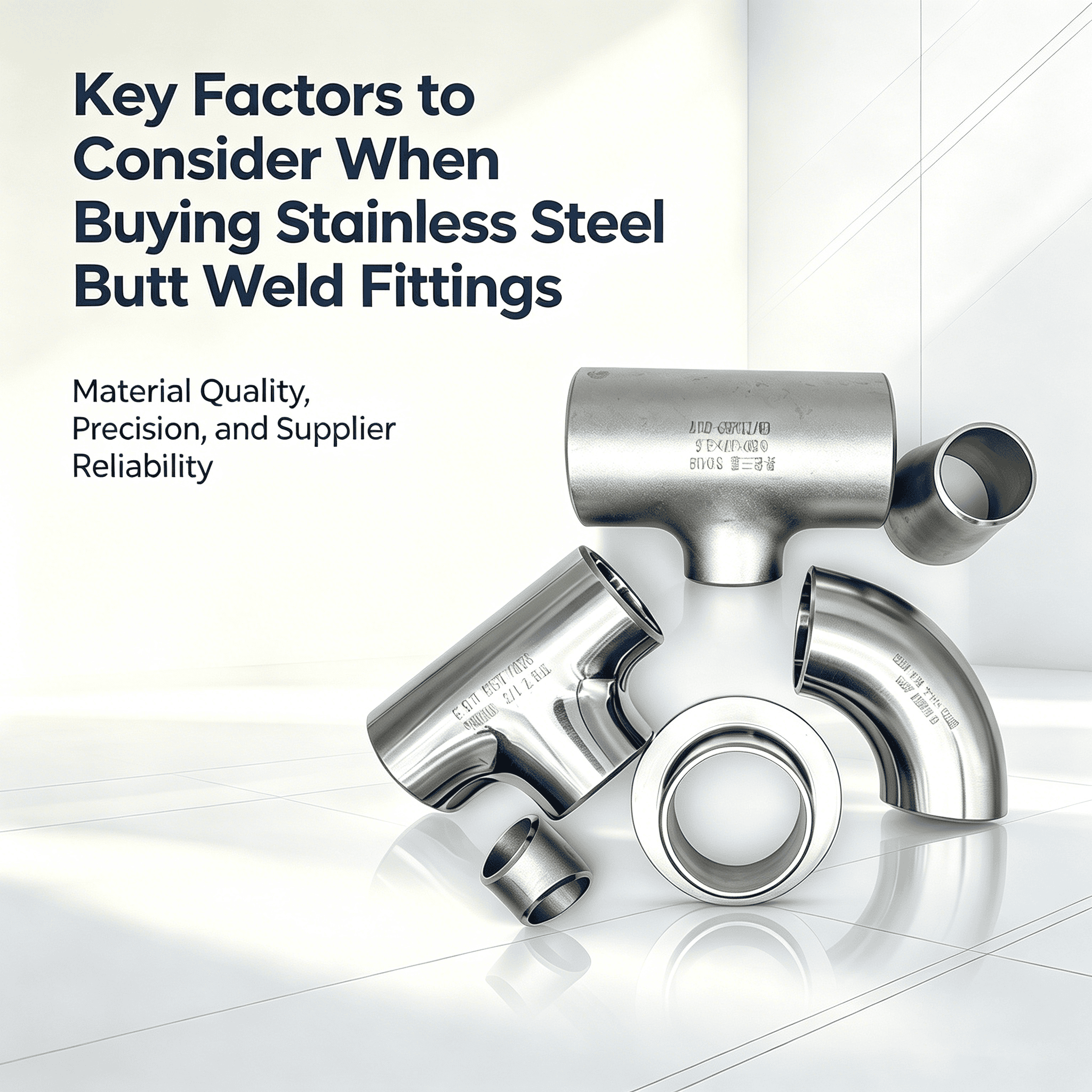
It is also important to choose a reliable SS 316 fittings manufacturer that can provide consistent product quality, accurate dimensions, and proper material certification.
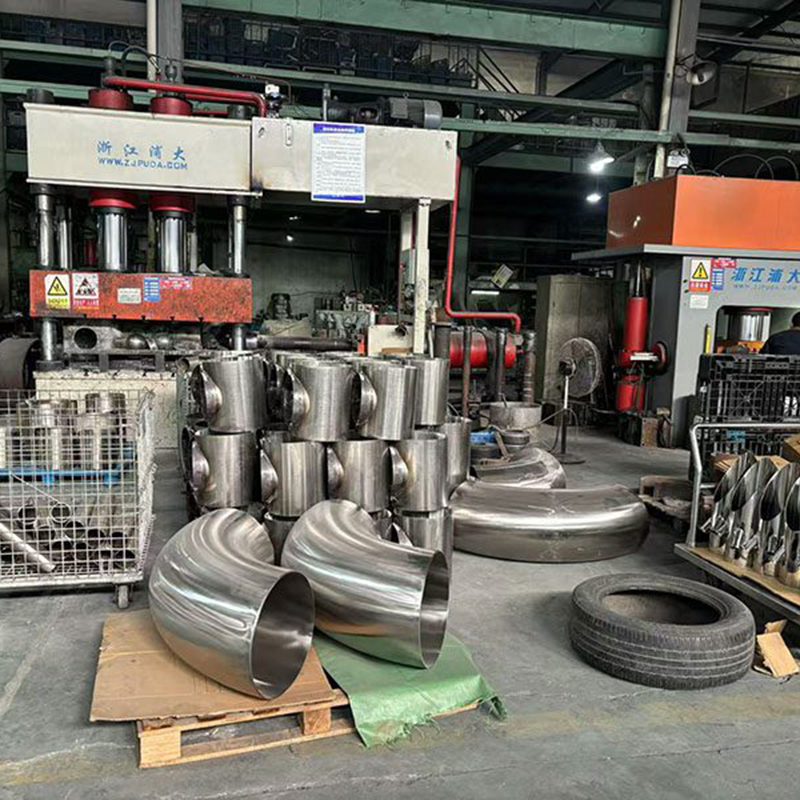
A professional supplier should have strict quality control processes, advanced manufacturing capabilities, and experience serving different industries.
SS 316 fittings are an excellent choice for industrial piping systems that require high corrosion resistance, durability, and reliable performance. Their superior properties make them suitable for demanding applications in chemical processing, food and beverage, pharmaceuticals, marine engineering, and oil and gas industries.
By understanding the different types, benefits, and applications of SS 316 fittings, businesses can make better decisions when designing and maintaining piping systems. Working with an experienced SS 316 fittings manufacturer ensures access to high-quality products that meet industry requirements and provide long-term value.
1. What are SS 316 fittings?
SS 316 fittings are pipe connection components made from 316-grade stainless steel. They are used to connect, redirect, reduce, or close piping systems. Due to their excellent corrosion resistance, high strength, and durability, SS 316 fittings are widely used in industries that require reliable performance under harsh conditions.
2. Why are SS 316 fittings more corrosion-resistant than SS 304 fittings?
The main difference is the addition of molybdenum in SS 316 stainless steel. This element improves resistance to chloride corrosion, pitting, and chemical exposure. As a result, SS 316 fittings perform better than SS 304 fittings in marine environments, chemical processing systems, and other demanding applications.
3. What types of SS 316 fittings are commonly available?
Common types of SS 316 fittings include elbows, tees, reducers, couplings, and caps. Elbows are used to change pipeline direction, tees connect branch pipes, reducers connect different pipe sizes, couplings join pipes, and caps close pipeline ends.
4. What industries use SS 316 fittings?
SS 316 fittings are widely used in chemical processing, food and beverage, pharmaceutical, marine, oil and gas, water treatment, and industrial manufacturing industries. Their excellent corrosion resistance and hygienic properties make them suitable for applications involving chemicals, moisture, and high-purity fluids.
5. Are SS 316 fittings suitable for high-temperature and high-pressure applications?
Yes. SS 316 fittings provide excellent mechanical strength and maintain reliable performance under high temperatures and pressure conditions. However, the correct fitting size, wall thickness, and specifications should be selected according to the operating requirements of the piping system.

STAINLESS STEEL&GENCEL;
Privacy Policy | SiteMap
Copyright GENCEL STAINLESS STEEL CO.,LIMITED
 Optimized by Seraphinite Accelerator