- Whatsapp: 8613738300923
- Email: [email protected]


Industrial piping systems play a critical role in industries such as oil and gas, chemical processing, power generation, water treatment, food processing, and manufacturing. The reliability of these systems depends heavily on the quality of components used, especially pipe fittings that connect, redirect, and control fluid flow.
Choosing the right industrial pipe fittings supplier is essential for ensuring pipeline safety, operational efficiency, and long-term performance. A reliable supplier should provide high-quality products, technical expertise, strict quality control, and dependable delivery services.
With many suppliers available in the global market, buyers need to carefully evaluate multiple factors before making a decision. This guide explains how to select a trustworthy industrial pipe fittings supplier for your engineering projects.
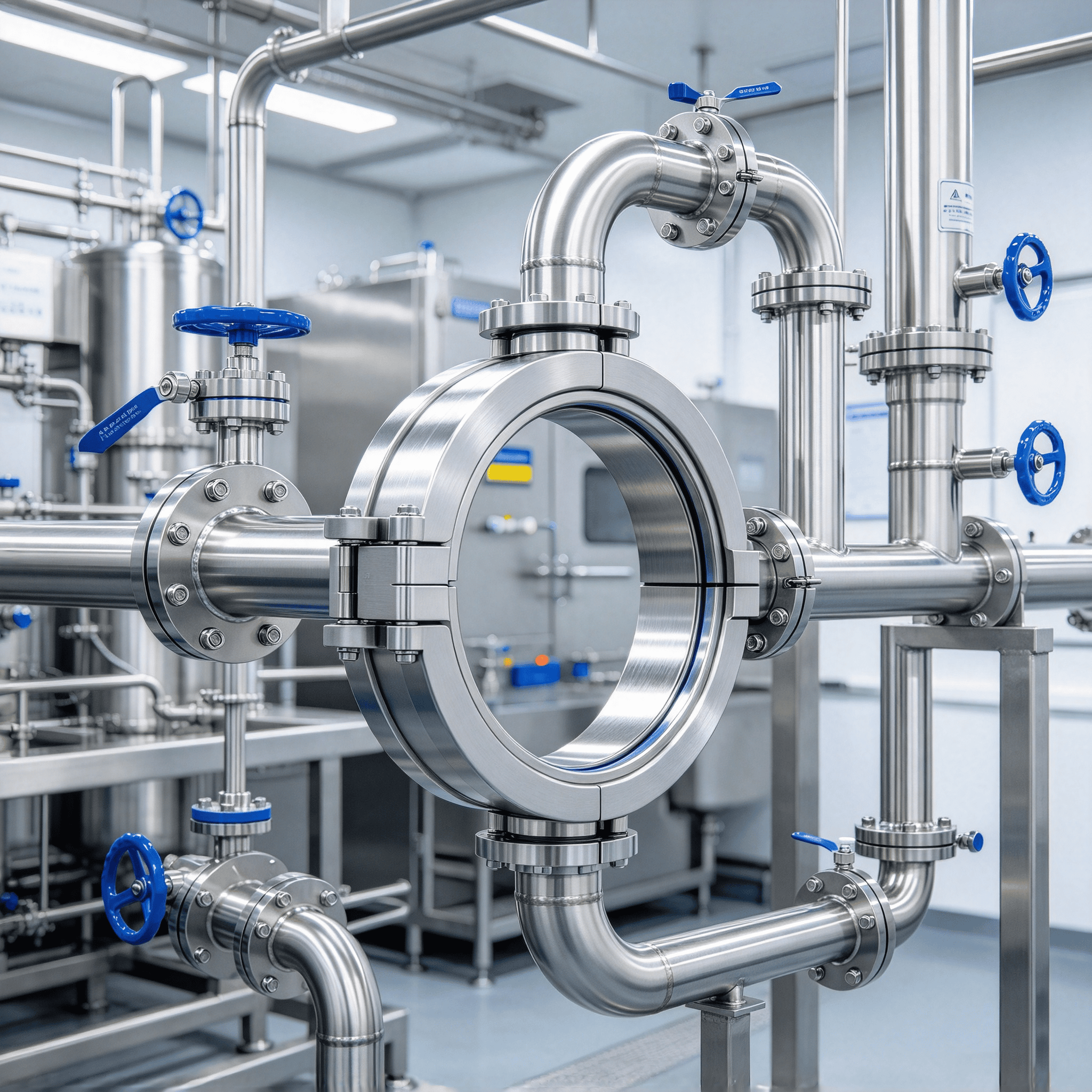
Before choosing a supplier, it is important to clearly understand your project requirements. Different industries and applications require different types of pipe fittings, materials, and performance standards.
Common industrial pipe fittings include:
Elbows: Used to change pipeline direction, commonly available in 45-degree and 90-degree designs.
Tees: Used to create branch connections in piping systems.
Reducers: Used to connect pipes with different diameters.
Couplings: Used to connect two pipes together.
Flanges: Used for easy installation, maintenance, and pipeline connections.
Caps and plugs: Used to close pipeline ends.
The operating environment should also be considered, including pressure, temperature, fluid characteristics, and corrosion conditions. A professional supplier should be able to recommend suitable materials and fitting designs based on your application.
Experience is one of the most important factors when selecting an industrial pipe fittings supplier. Companies with years of manufacturing expertise usually have better knowledge of industry requirements, production processes, and quality management.
An experienced supplier can provide:
Professional material selection advice
Stable production processes
Consistent product quality
Solutions for complex engineering requirements
Support for customized projects
Suppliers with experience serving industries such as petrochemical, marine, energy, and construction are generally better equipped to handle demanding applications.
The quality of industrial pipe fittings directly affects the safety and durability of piping systems. A reliable supplier should use high-quality raw materials and provide complete material traceability.
Common materials used for industrial pipe fittings include:
Stainless steel fittings are widely used because of their excellent corrosion resistance, strength, and durability.
Common grades include:
SS 304: Suitable for general industrial applications with good corrosion resistance.
SS 316/316L: Provides improved resistance to chemicals and chloride environments.
Duplex Stainless Steel: Offers high strength and excellent corrosion resistance for demanding applications.
These materials are commonly used in high-pressure and high-temperature environments, including oil and gas pipelines and power plants.
A trustworthy supplier should provide material certificates, chemical composition reports, and mechanical test records to verify product quality.
Industrial projects often require pipe fittings that meet strict international standards. Before selecting a supplier, confirm whether their products comply with relevant industry specifications.
Common standards include:
ASTM standards
ASME standards
ANSI specifications
DIN standards
EN standards
ISO quality requirements
Compliance with these standards ensures that pipe fittings meet requirements for dimensions, pressure ratings, material performance, and safety.
A professional supplier should be able to provide inspection documents, certifications, and test reports to support project approval.
Quality control is a key factor that separates reliable suppliers from ordinary vendors. Industrial pipe fittings must withstand pressure, temperature changes, and demanding operating conditions.
A professional supplier should have strict quality inspection procedures, including:
Raw material inspection
Dimensional inspection
Surface quality inspection
Hardness testing
Mechanical performance testing
Pressure testing
Non-destructive testing
These processes help identify potential defects before products are delivered, reducing installation problems and maintenance costs.
For large-scale industrial projects, delivery reliability is just as important as product quality. Delayed shipments can affect construction schedules and increase project costs.
When evaluating suppliers, consider:
Manufacturing capacity
Production lead time
Inventory availability
Order handling capability
Export experience
Packaging and logistics solutions
A supplier with strong production and supply chain management can ensure stable delivery even for large-volume orders.
Many industrial projects require customized pipe fittings rather than standard products. A capable supplier should offer flexible manufacturing solutions based on customer requirements.
Customization services may include:
Special dimensions
Customized wall thickness
Different material grades
Special surface finishes
Unique connection designs
Project-specific packaging
Working with a supplier that supports customization can improve installation efficiency and ensure better compatibility with existing piping systems.
A reliable industrial pipe fittings supplier should provide more than products. Technical support and professional communication are important parts of successful cooperation.
A qualified supplier should assist customers with:
Product selection
Engineering recommendations
Technical documentation
Installation guidance
After-sales support
Strong communication helps prevent specification errors and ensures that the supplied products meet project expectations.
Price is an important factor, but it should not be the only consideration when choosing an industrial pipe fittings supplier.
Low-cost products may sometimes involve:
Lower-quality materials
Poor manufacturing processes
Inconsistent dimensions
Limited technical support
A reliable supplier provides better long-term value through:
Longer product service life
Reduced maintenance requirements
Lower replacement costs
Stable supply performance
Evaluating total ownership costs helps buyers make smarter purchasing decisions.
Industrial projects often require continuous product supply and technical support. Establishing a long-term relationship with a reliable supplier can provide significant benefits.
Long-term cooperation may include:
More stable pricing
Faster response times
Priority production scheduling
Better technical understanding
Customized solutions
A trusted supplier becomes a valuable partner who can support future projects and business growth.
Selecting a reliable industrial pipe fittings supplier requires careful evaluation of manufacturing experience, material quality, certification standards, production capacity, customization capabilities, and customer support.
The right supplier should provide high-quality fittings that ensure pipeline safety, improve operational efficiency, and reduce long-term costs. By choosing an experienced and dependable partner, companies can minimize project risks and achieve better performance throughout the service life of their piping systems.
Whether for chemical plants, energy projects, construction applications, or industrial manufacturing, partnering with a professional industrial pipe fittings supplier is a key investment in project success.
What should I consider when choosing an industrial pipe fittings supplier?
You should evaluate product quality, manufacturing experience, certifications, material selection, production capacity, delivery reliability, customization ability, and technical support.
What materials are commonly used for industrial pipe fittings?
Common materials include stainless steel, carbon steel, alloy steel, duplex stainless steel, and special alloys depending on the application requirements.
Why are certifications important when selecting a pipe fittings supplier?
Certifications demonstrate that products meet international quality, safety, and performance standards required for industrial applications.
Can industrial pipe fittings suppliers provide customized solutions?
Yes. Professional suppliers can manufacture customized fittings based on specific dimensions, materials, pressure requirements, and project specifications.
How can I verify the reliability of an industrial pipe fittings supplier?
Review their manufacturing experience, quality control procedures, customer references, certifications, testing capabilities, and previous industrial project experience.


STAINLESS STEEL&GENCEL;
Privacy Policy | SiteMap
Copyright GENCEL STAINLESS STEEL CO.,LIMITED
 Optimized by Seraphinite Accelerator