- Whatsapp: 8613738300923
- Email: [email protected]


Selecting the right stainless steel pipe supplier is one of the most important decisions for industrial buyers. Whether your project involves oil and gas pipelines, chemical processing plants, food manufacturing facilities, water treatment systems, or construction engineering, the quality of stainless steel pipes directly affects safety, durability, and long-term operating costs.
With countless suppliers available in the global market, choosing a reliable partner goes far beyond comparing prices. A trustworthy supplier should offer consistent product quality, international certifications, strong manufacturing capabilities, and dependable delivery performance. This guide explains the key factors you should evaluate before partnering with a stainless steel pipe supplier for your industrial projects.
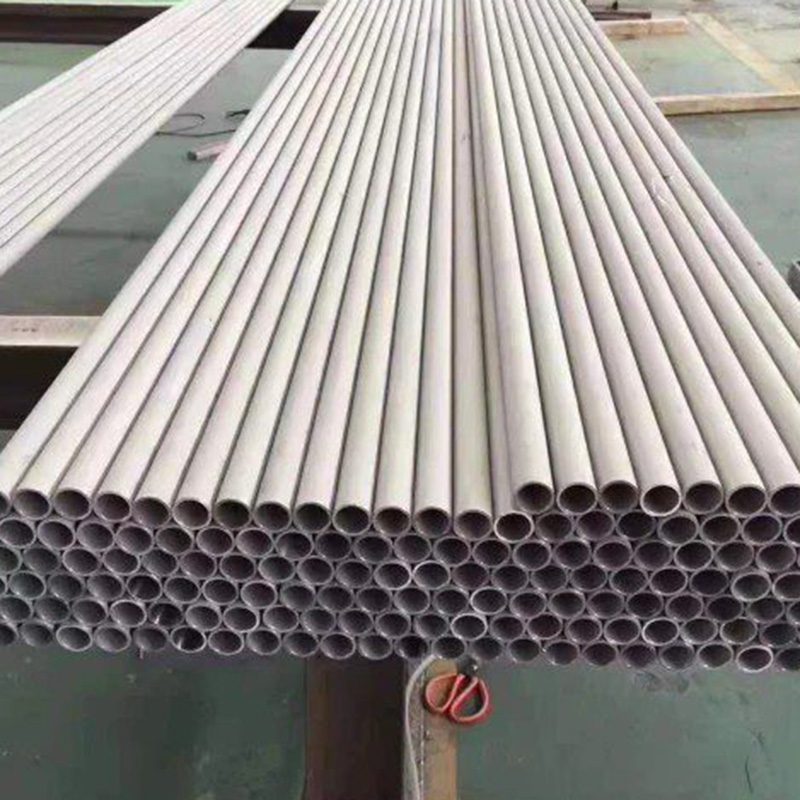
Industrial piping systems often operate under demanding conditions, including high temperatures, high pressures, corrosive chemicals, and continuous operation. Inferior stainless steel pipes can lead to leaks, premature corrosion, unexpected downtime, and expensive maintenance.
A reliable supplier helps reduce these risks by providing high-quality products that comply with international standards. More importantly, an experienced supplier can recommend suitable materials, manufacturing processes, and customized solutions according to your specific application, ensuring both safety and cost efficiency throughout the project lifecycle.
One of the first considerations is the supplier’s manufacturing experience. Companies with years of production expertise typically have mature manufacturing processes, stable quality control systems, and extensive industry knowledge.
Production capacity is equally important, especially for large engineering projects. A supplier with advanced production lines and sufficient manufacturing capabilities can maintain consistent quality while meeting tight delivery schedules. Ask whether the supplier can handle bulk orders, custom specifications, and urgent production requirements without compromising quality.
High-quality stainless steel pipes begin with premium raw materials. Reliable suppliers source stainless steel from qualified mills and ensure full material traceability throughout production.
You should also verify whether the products comply with internationally recognized standards such as ASTM, ASME, EN, DIN, JIS, or ISO. Material grades like 304, 304L, 316, 316L, 310S, and duplex stainless steel should be available to meet different industrial applications.
A reputable supplier should provide complete documentation, including material test certificates, chemical composition reports, mechanical property reports, and dimensional inspection records upon request.
Quality control is one of the strongest indicators of a dependable stainless steel pipe supplier. Every production stage should be carefully monitored, from raw material inspection to final packaging.
Reliable manufacturers commonly perform dimensional inspections, surface quality checks, mechanical testing, hydrostatic pressure testing, hardness testing, and non-destructive testing methods such as ultrasonic or eddy current inspections. These testing procedures help ensure that every pipe meets customer specifications and international quality standards before shipment.
Industrial projects often require more than standard pipe sizes. Different industries demand customized diameters, wall thicknesses, lengths, finishes, and connection types.
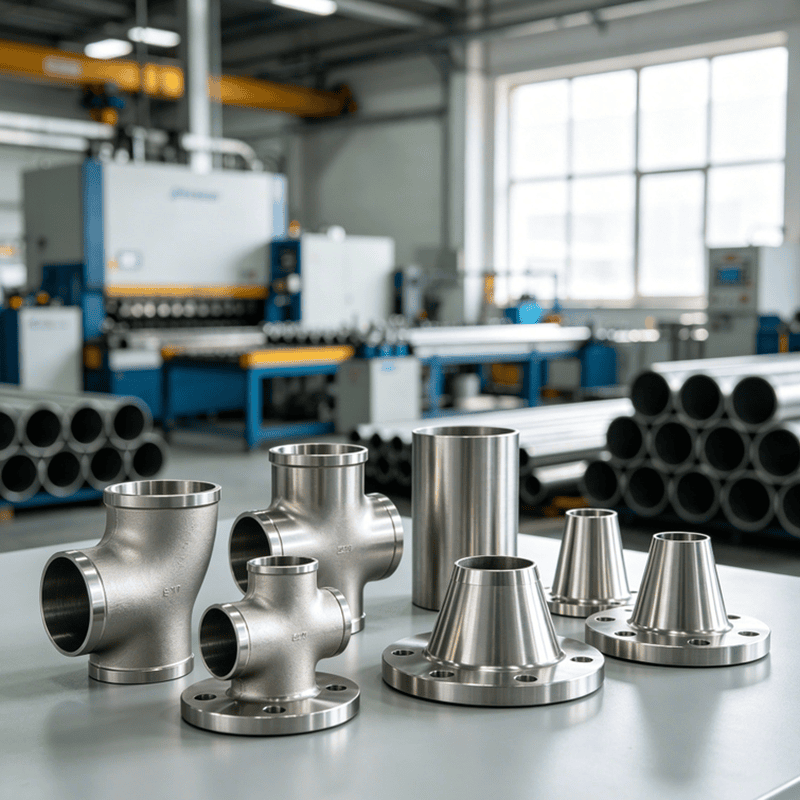
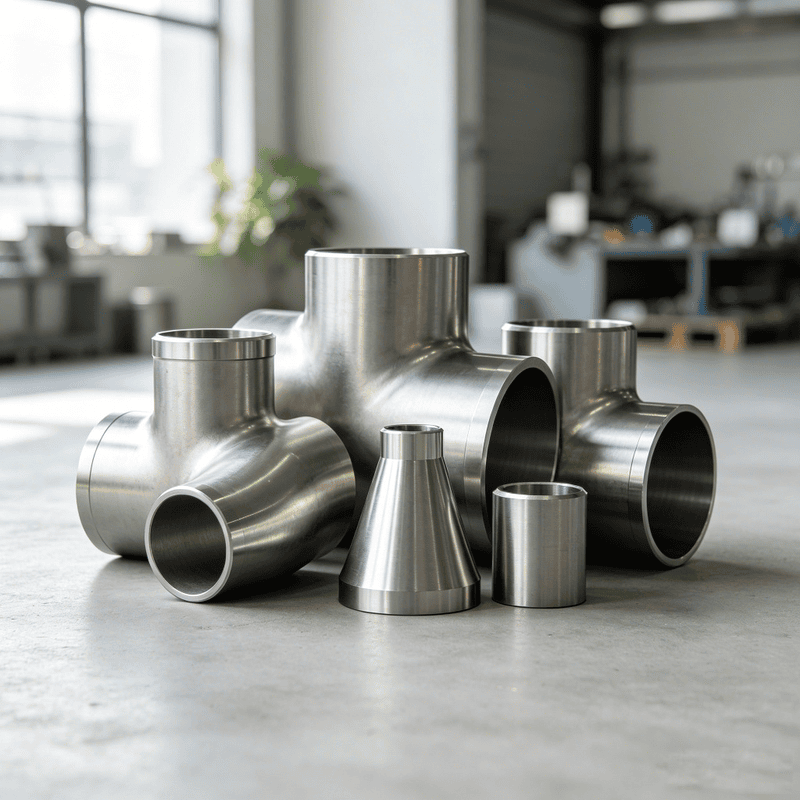
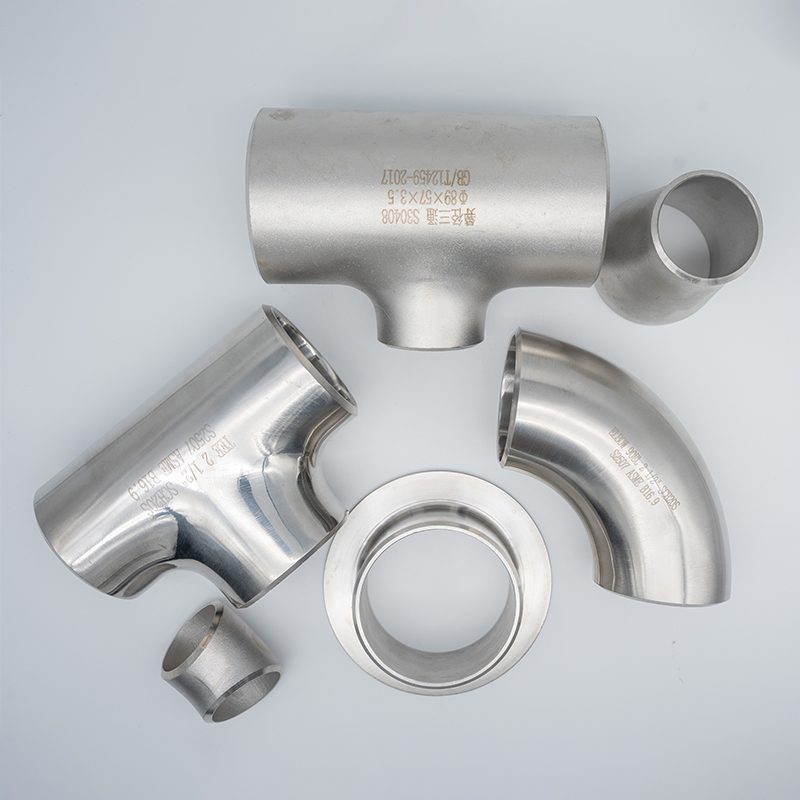
A professional stainless steel pipe supplier should offer a comprehensive product portfolio that includes seamless pipes, welded pipes, round pipes, square tubes, rectangular tubes, polished pipes, and industrial process tubing. Custom cutting, beveling, threading, polishing, and special packaging services can also simplify project procurement and installation.
Working with a supplier capable of customization reduces the need to source products from multiple vendors, improving both efficiency and consistency.
Different industries have unique technical requirements. For example, chemical plants prioritize corrosion resistance, while food processing facilities require sanitary finishes and pharmaceutical-grade materials.
Suppliers with experience serving multiple industries understand these application-specific requirements and can recommend appropriate material grades and manufacturing solutions. Reviewing previous project experience or customer references can provide valuable insight into a supplier’s technical expertise.
Timely delivery is critical for industrial construction projects. Delayed shipments may postpone installation schedules, increase labor costs, and disrupt overall project planning.
Reliable suppliers maintain efficient inventory management, production scheduling, and logistics coordination to ensure on-time delivery. If your business imports internationally, verify the supplier’s export experience, packaging standards, shipping methods, customs documentation, and familiarity with global transportation requirements.
Strong logistics capabilities minimize supply chain risks and improve project reliability.
While competitive pricing is important, selecting the lowest quotation may not provide the best overall value.
Low-priced products can sometimes indicate inferior raw materials, inconsistent manufacturing quality, or inadequate testing procedures. Instead of focusing solely on unit price, buyers should evaluate total procurement value, including product lifespan, maintenance costs, warranty support, quality consistency, and after-sales service.
Reliable suppliers often deliver greater long-term savings by reducing replacement frequency and minimizing operational downtime.
Professional customer service plays an important role throughout the procurement process. A responsive supplier should provide prompt quotations, technical consultation, engineering support, and efficient communication before, during, and after the order.
Technical teams can assist with material selection, pressure ratings, corrosion resistance recommendations, manufacturing standards, and customized product solutions. Effective communication helps prevent misunderstandings and ensures products fully meet project specifications.
Rather than changing suppliers for every project, many industrial buyers benefit from establishing long-term partnerships with trusted manufacturers.
Long-term cooperation often results in more stable pricing, faster production scheduling, priority manufacturing capacity, consistent product quality, and better technical support. Suppliers who understand your business requirements can also provide proactive recommendations that improve procurement efficiency and reduce overall project costs.
Choosing a reliable stainless steel pipe supplier requires evaluating far more than product pricing. Manufacturing experience, production capacity, quality control, certifications, customization capabilities, delivery reliability, technical expertise, and customer support all contribute to a successful partnership.
For industrial projects where safety, performance, and long-term reliability are essential, partnering with an experienced supplier ensures consistent product quality and dependable service throughout every stage of the project. Taking the time to evaluate potential suppliers carefully will help minimize risks, improve operational efficiency, and maximize the return on your investment.
How do I know if a stainless steel pipe supplier is reliable?
Look for manufacturers with extensive industry experience, international certifications, comprehensive quality control systems, positive customer references, and the ability to provide complete inspection and material certification documents.
What certifications should a stainless steel pipe supplier have?
Many reputable suppliers operate under ISO 9001 quality management systems and manufacture products according to standards such as ASTM, ASME, EN, DIN, or JIS, depending on customer requirements and target markets.
Should I choose a manufacturer or a distributor?
If you require competitive pricing, customization, stable supply, and technical support, purchasing directly from a manufacturer is generally the better option. Distributors may offer faster availability for small-volume standard products but usually have less flexibility for customized orders.
Which stainless steel grades are most commonly used?
Grade 304 is widely used for general industrial applications due to its excellent corrosion resistance and affordability. Grade 316 offers superior resistance to chlorides and harsh chemical environments, making it ideal for marine, chemical, and pharmaceutical industries.
Can stainless steel pipe suppliers provide customized products?
Yes. Most experienced manufacturers can produce customized dimensions, wall thicknesses, lengths, surface finishes, end treatments, and packaging according to customer drawings or project specifications.

STAINLESS STEEL&GENCEL;
Privacy Policy | SiteMap
Copyright GENCEL STAINLESS STEEL CO.,LIMITED
 Optimized by Seraphinite Accelerator