- Whatsapp: 8613738300923
- Email: [email protected]


Stainless steel clamp unions are widely used in food processing, beverage production, dairy operations, pharmaceutical manufacturing, biotechnology, and other hygienic industries. Their ability to provide secure, leak-free, and easily removable connections makes them an essential component in sanitary piping systems.
However, even high-quality stainless steel clamp unions require proper maintenance to ensure long-term performance, product safety, and regulatory compliance. Regular inspection and maintenance can help prevent leaks, reduce downtime, and extend equipment service life.
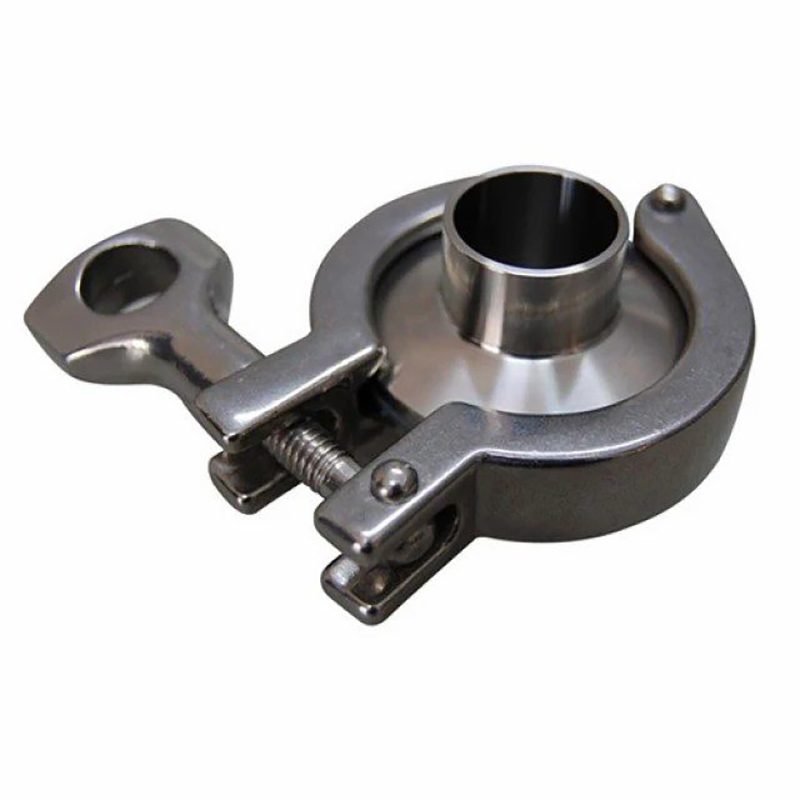
Clamp unions are exposed to frequent cleaning cycles, temperature fluctuations, pressure changes, and process media. Over time, these factors can cause wear on clamps, gaskets, and sealing surfaces.
Proper maintenance helps:
Prevent product contamination
Maintain leak-free performance
Extend component lifespan
Reduce unplanned downtime
Improve operational efficiency
Support sanitary compliance requirements
A proactive maintenance program can significantly lower operating costs while improving system reliability.
Routine inspections are the first step in identifying potential problems before they become serious.
Inspect clamp unions for:
Corrosion or discoloration
Surface scratches or dents
Cracked or damaged clamps
Loose clamp assemblies
Signs of leakage
Worn sealing surfaces
Regular visual checks help detect issues early and reduce the risk of unexpected failures.
The gasket is often the most critical wear component in a clamp union assembly.
Check gaskets for:
Cracks
Swelling
Hardening
Deformation
Chemical damage
Surface wear
Damaged gaskets can compromise the seal and increase the risk of contamination or product loss.
Replace gaskets immediately if any signs of deterioration are found.
Not all gasket materials are suitable for every application.
Common gasket options include:
| Material | Typical Applications |
| EPDM | Food, beverage, dairy |
| Silicone | High-temperature sanitary processes |
| PTFE | Chemical resistance applications |
| Viton® | Aggressive chemicals and high temperatures |
| Buna-N | Oils and certain industrial fluids |
Selecting the proper gasket material helps maximize sealing performance and service life.
Sanitary systems require strict cleaning procedures to prevent bacterial growth and product contamination.
During cleaning:
Remove visible product residue.
Clean ferrules, clamps, and gaskets thoroughly.
Pay special attention to sealing surfaces.
Ensure no debris remains trapped around the gasket area.
Proper cleaning is especially important in food, beverage, and pharmaceutical applications where hygiene standards are critical.
Many sanitary systems rely on:
Clean-In-Place (CIP)
Sterilize-In-Place (SIP)
Clamp unions should be compatible with the cleaning chemicals, temperatures, and pressures used during these procedures.
Verify that:
Gaskets can withstand CIP/SIP conditions.
Cleaning parameters are within equipment specifications.
Sterilization cycles do not exceed material limits.
Following manufacturer recommendations helps prevent premature wear.
One common maintenance mistake is applying excessive clamping force.
Over-tightening can cause:
Gasket deformation
Ferrule damage
Uneven sealing
Reduced gasket lifespan
Tighten the clamp according to the manufacturer’s specifications to achieve a secure seal without damaging components.
The smooth surface finish of stainless steel clamp unions plays a crucial role in hygiene and cleanability.
Avoid:
Abrasive cleaning tools
Harsh scraping methods
Surface damage from improper handling
Scratches and rough areas can create locations where bacteria and product residue accumulate.
Maintaining a smooth finish helps preserve sanitary performance.
Although stainless steel offers excellent corrosion resistance, it is not completely immune to damage.
Potential causes of corrosion include:
Chloride exposure
Improper cleaning chemicals
Residual product buildup
Harsh environmental conditions
Regularly inspect components for signs of:
Pitting
Rust spots
Surface discoloration
Crevice corrosion
Early detection can prevent more extensive damage.
Do not continue operating with damaged components.
Replace:
Worn gaskets
Bent clamps
Damaged ferrules
Corroded hardware
Timely replacement helps maintain system integrity and reduces the likelihood of leaks or contamination events.
For regulated industries such as pharmaceuticals and food processing, maintenance records are often required.
Document:
Inspection dates
Cleaning procedures
Gasket replacements
Component repairs
Leak incidents
Corrective actions
Accurate records support quality assurance programs and regulatory compliance.
Watch for the following warning signs:
Product leakage around connections
Frequent gasket failures
Visible corrosion
Difficulty achieving a proper seal
Excessive clamp wear
Product contamination concerns
Addressing these issues quickly can prevent larger operational problems.
Maintains sanitary conditions and supports food safety requirements.
Prevents contamination and protects sensitive dairy products.
Ensures clean product transfer and consistent production quality.
Supports sterile processing environments and GMP compliance.
Maintains high-purity process conditions for sensitive biological products.
Stainless steel clamp unions are designed for durability, hygiene, and ease of maintenance, but regular care is essential for achieving optimal performance. Routine inspections, proper cleaning, gasket management, corrosion monitoring, and adherence to recommended maintenance procedures can significantly extend component life and improve system reliability.
By implementing these best practices, manufacturers can reduce downtime, maintain sanitary standards, protect product quality, and maximize the return on their investment in stainless steel clamp union systems.
How often should stainless steel clamp unions be inspected?
The inspection frequency depends on operating conditions, but most facilities perform visual inspections during routine maintenance or cleaning cycles. High-use systems may require more frequent checks.
When should clamp union gaskets be replaced?
Gaskets should be replaced whenever signs of cracking, swelling, deformation, hardening, or chemical damage are observed. Many facilities also replace gaskets as part of preventive maintenance programs.
Can stainless steel clamp unions be used in CIP and SIP systems?
Yes. Most sanitary clamp unions are designed to withstand Clean-In-Place (CIP) and Sterilize-In-Place (SIP) procedures when paired with suitable gasket materials.
What causes leaks in clamp union connections?
Common causes include damaged gaskets, improper clamp installation, worn sealing surfaces, misaligned ferrules, or insufficient clamping force.
How can corrosion on stainless steel clamp unions be prevented?
Use compatible cleaning chemicals, remove product residues promptly, avoid prolonged chloride exposure, and conduct regular inspections to identify early signs of corrosion.
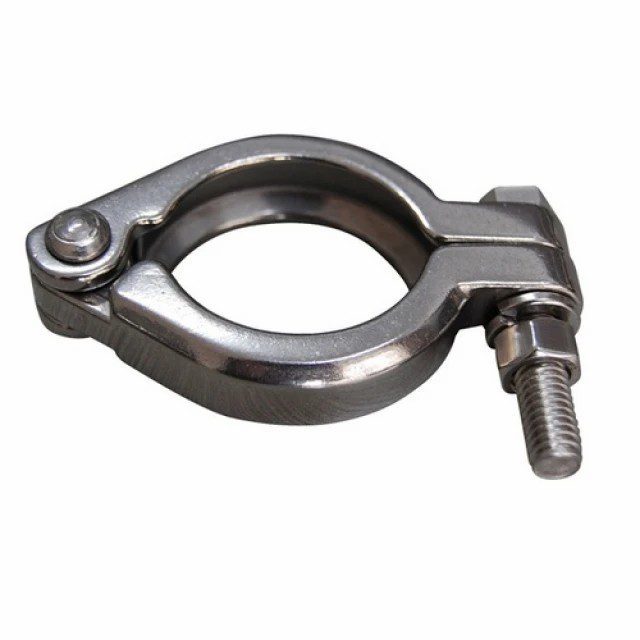
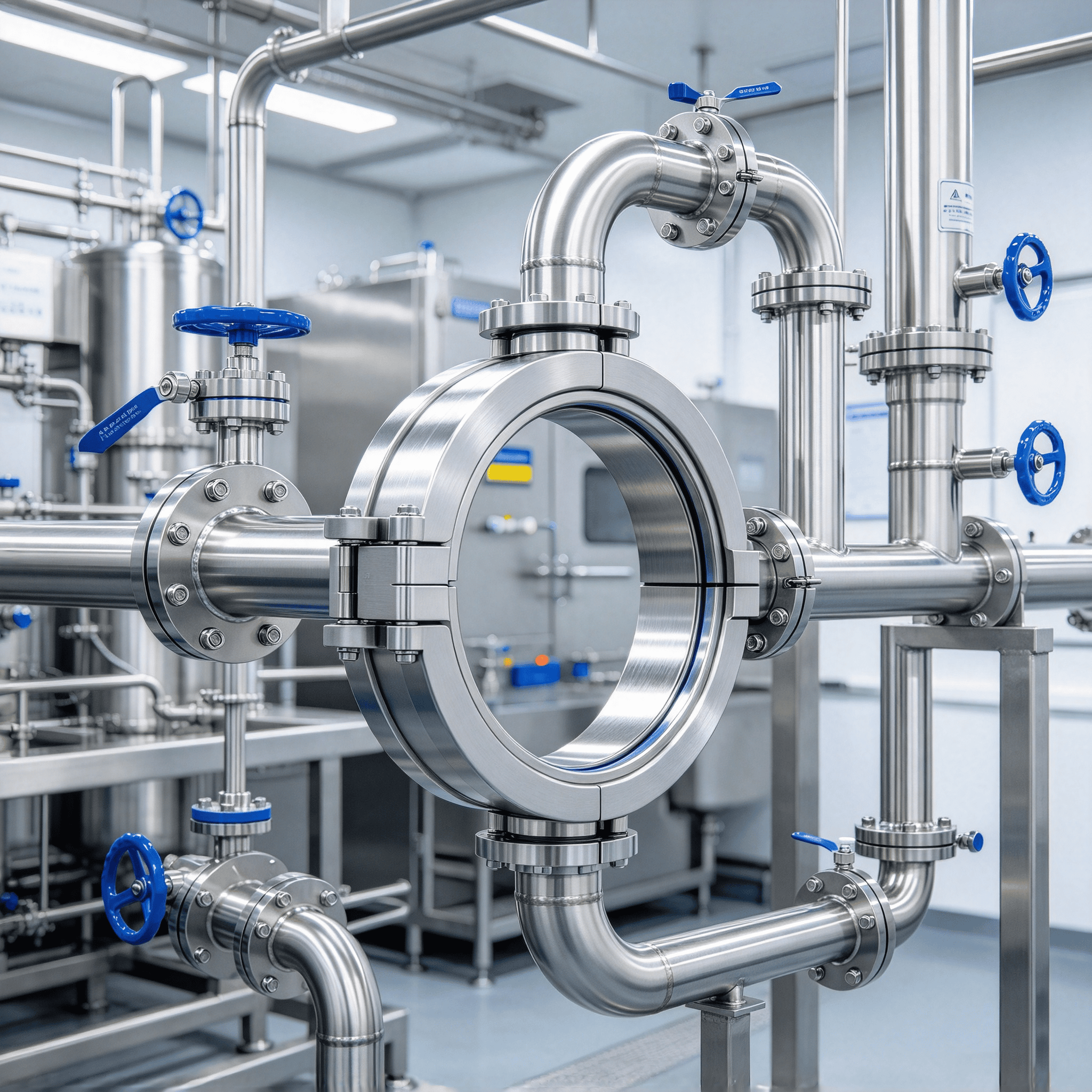
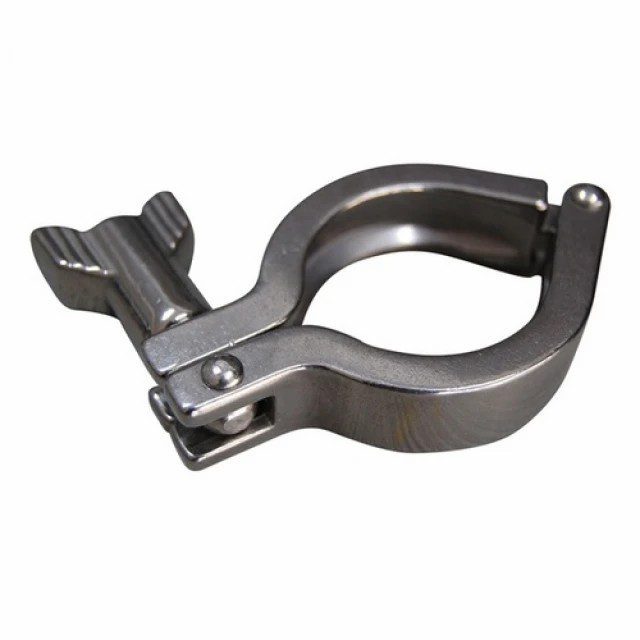


STAINLESS STEEL&GENCEL;
Privacy Policy | SiteMap
Copyright GENCEL STAINLESS STEEL CO.,LIMITED
 Optimized by Seraphinite Accelerator