- Whatsapp: 8613738300923
- Email: [email protected]


In hygienic piping systems, every component plays a critical role in ensuring smooth flow, cleanability, and contamination-free operation. Among these components, the Elbow with Straight Ends is widely used in sanitary pipeline design due to its simple structure, easy installation, and excellent flow performance.
This fitting combines a standard elbow shape with straight-end extensions, making it ideal for welded or clamped connections in hygienic industries such as food processing, dairy, beverages, pharmaceuticals, and biotechnology.
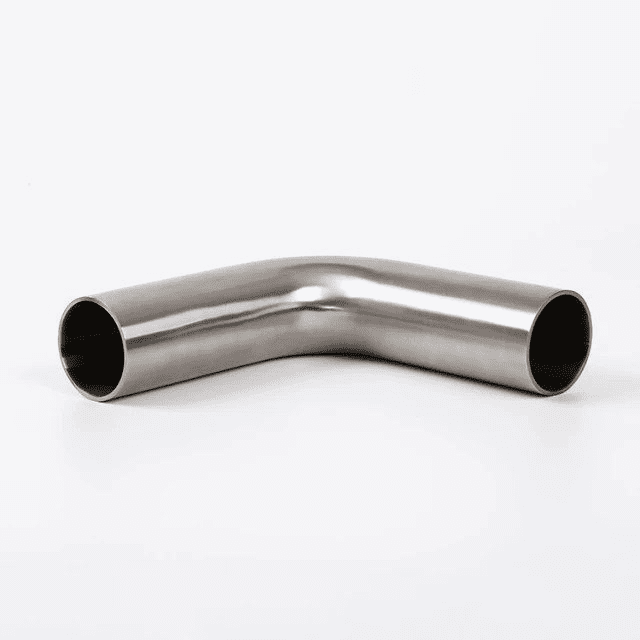
An Elbow with Straight Ends is a pipe fitting that changes the direction of fluid flow—typically at 45° or 90°—while featuring straight pipe sections at both ends.
These straight ends allow:
Easy welding or clamping connection
Improved alignment during installation
Reduced stress concentration at joints
Better sealing performance in hygienic systems
Common materials include stainless steel grades such as SS304 and SS316L, ensuring corrosion resistance and sanitary compliance.
In food and beverage production, maintaining hygienic conditions is essential. Elbow with Straight Ends is widely used to connect pipeline sections in systems handling:
Milk and dairy products
Juices and beverages
Syrups and sauces
Edible oils
The smooth internal surface and hygienic design help reduce product residue buildup and support CIP (Clean-in-Place) cleaning processes.
Dairy plants require strict hygiene control due to the sensitivity of milk-based products. These elbows are commonly installed in:
Milk transfer pipelines
Yogurt and cream processing lines
Cheese production systems
Storage and mixing tanks
The straight ends ensure strong welded connections, reducing leakage risks and improving system stability during continuous operation.
In pharmaceutical applications, even the smallest contamination can affect product safety. Elbow with Straight Ends is used in:
Purified water systems
Liquid drug transfer pipelines
Sterile production lines
CIP/SIP systems
SS316L stainless steel versions are preferred due to their high corrosion resistance and compliance with strict sanitary standards.
Biotechnology processes often involve sensitive fluids such as culture media and buffer solutions. These elbows are used for:
Fermentation systems
Cell culture media transfer
Bioreactor piping networks
Sterile fluid circulation
The hygienic design helps maintain sterility and ensures consistent flow performance.
Cosmetic manufacturing requires clean and stable fluid handling systems. Elbow with Straight Ends is used in:
Lotion and cream production
Shampoo and liquid soap processing
Fragrance and ingredient transfer
Mixing and blending systems
Its smooth flow path helps prevent product degradation and ensures uniform mixing.
Elbows with straight ends are commonly installed in CIP pipelines that circulate cleaning solutions throughout production equipment.
They help ensure:
Efficient cleaning flow direction
Minimal pressure loss
Easy integration into sanitary piping layouts
Reliable cleaning performance
This makes them an important part of automated cleaning systems.
These fittings are also widely used to connect:
Storage tanks
Mixing vessels
Heat exchangers
Pumps and valves
The straight-end design simplifies installation and ensures strong, leak-free joints in hygienic environments.
Elbow with Straight Ends offers several important benefits:
Smooth fluid transition with reduced turbulence
Easy installation through welding or clamping
Strong mechanical connection and leak resistance
High corrosion resistance with stainless steel construction
Compatibility with CIP/SIP cleaning processes
Long service life in demanding environments
These advantages make it a preferred choice in sanitary pipeline engineering.
The performance of Elbow with Straight Ends largely depends on material selection:
SS304: Suitable for general food, beverage, and cosmetic applications
SS316L: Recommended for pharmaceutical, biotechnology, and high-corrosion environments
Both materials provide excellent hygiene and durability, but SS316L offers enhanced resistance to chemicals and sterilization processes.
Elbow with Straight Ends is a fundamental component in hygienic piping systems, offering reliable flow direction changes while maintaining sanitary integrity. Its straight-end design improves installation flexibility, strengthens connections, and ensures compatibility with modern clean-in-place systems.
From food and dairy processing to pharmaceuticals and biotechnology, this fitting plays a vital role in maintaining hygiene, improving efficiency, and ensuring safe fluid transfer across multiple industries.
As hygienic processing standards continue to evolve, the demand for durable and easy-to-clean piping components like Elbow with Straight Ends will continue to grow.
1. What is an Elbow with Straight Ends used for?
An Elbow with Straight Ends is used to change the direction of fluid flow in piping systems while providing straight sections at both ends for welding or clamping. It is commonly used in hygienic industries such as food, dairy, pharmaceuticals, and biotechnology.
2. What is the advantage of straight ends on an elbow?
Straight ends make installation easier and more reliable by:
Allowing stronger welded or clamp connections
Improving alignment during piping assembly
Reducing stress concentration at joints
Enhancing sealing performance in hygienic systems
3. What materials are commonly used for Elbow with Straight Ends?
The most common materials are:
SS304 stainless steel – used in food, beverage, and general sanitary applications
SS316L stainless steel – used in pharmaceutical and high-purity or corrosive environments
Both materials offer excellent corrosion resistance and hygiene performance.
4. Where are Elbow with Straight Ends fittings commonly used?
They are widely used in:
Food and beverage processing lines
Dairy production systems
Pharmaceutical manufacturing
Biotechnology equipment
Cosmetic production systems
CIP (Clean-in-Place) pipelines
5. Are Elbow with Straight Ends suitable for CIP and SIP systems?
Yes. These fittings are designed to withstand CIP (Clean-in-Place) and SIP (Sterilize-in-Place) processes, making them ideal for hygienic and sterile production environments.
6. What angles are available for Elbow with Straight Ends?
The most common angles are:
45° elbows for smooth directional changes
90° elbows for sharp directional changes
Custom angles may also be available depending on system requirements.
7. What connection types are available?
Elbow with Straight Ends can support different connection methods, including:
Welded ends
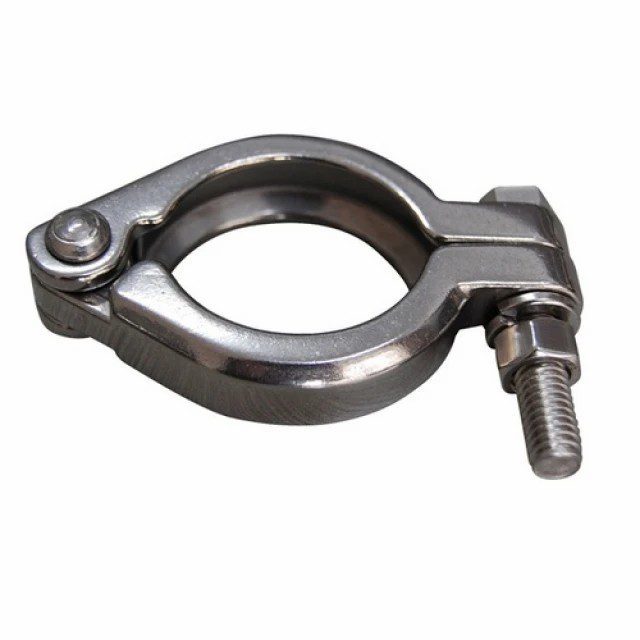
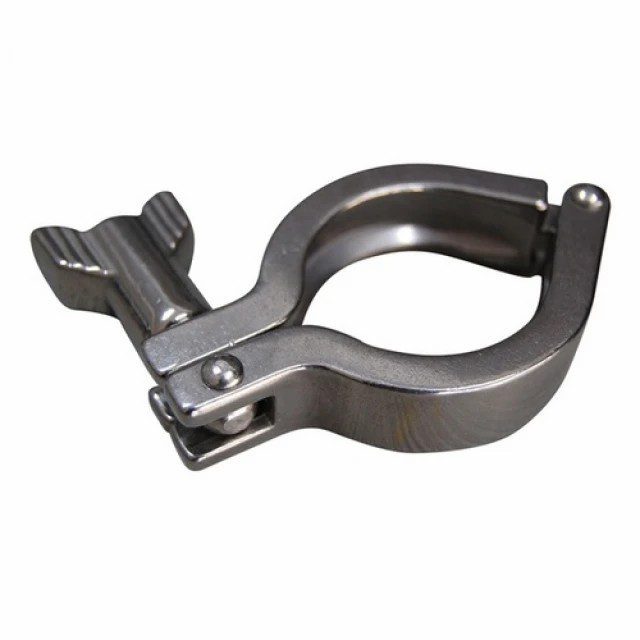
Tri-Clamp (sanitary clamp) connections
Threaded ends (less common in hygienic systems)
8. How do Elbow with Straight Ends improve system hygiene?
They are designed with smooth internal surfaces and minimal dead zones, helping reduce product residue buildup and allowing efficient cleaning during CIP cycles, which improves overall hygiene and safety.
9. Do Elbow with Straight Ends affect flow efficiency?
Yes, they are designed to minimize turbulence and pressure loss, ensuring smooth fluid flow through piping systems while maintaining stable process performance.



STAINLESS STEEL&GENCEL;
Privacy Policy | SiteMap
Copyright GENCEL STAINLESS STEEL CO.,LIMITED
 Optimized by Seraphinite Accelerator