- Whatsapp: 8613738300923
- Email: [email protected]


A 90 Elbow Pipe is one of the most commonly used fittings in industrial piping systems. It is designed to change the direction of a pipeline by approximately 90 degrees, allowing pipes to be routed around equipment, structures, walls, and other obstacles without requiring a completely different piping layout.
90-degree elbows are widely used in water treatment, chemical processing, oil and gas, power generation, food and beverage, pharmaceutical, construction, and general industrial piping systems. Although the basic function is simple, different 90 Elbow Pipes can vary significantly in material, size, connection method, bend radius, wall thickness, and pressure rating.
Choosing the right elbow is therefore important for maintaining reliable fluid flow, reducing leakage risks, and ensuring long-term piping system performance. This guide explains the common types, materials, applications, and key selection factors for 90 Elbow Pipe.
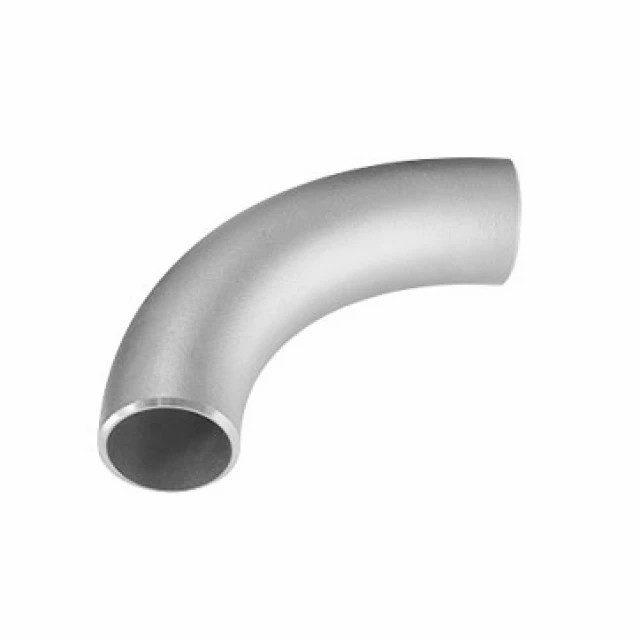
A 90 Elbow Pipe is a pipe fitting that changes the direction of a pipeline by 90 degrees. Instead of connecting two straight pipes directly, the elbow allows the piping system to make a right-angle turn.
90-degree elbows are commonly used when a piping route needs to change direction horizontally or vertically. They can be connected to pipes using different methods, including butt welding, socket welding, threading, or other connection methods depending on the product design and application.
The correct elbow design can help create a more compact and practical piping layout while maintaining the required flow path.
90 Elbow Pipes are available in different designs to meet different installation and operating requirements.
A long-radius elbow has a larger centerline radius and provides a more gradual change in flow direction. This design can help reduce turbulence and pressure loss compared with a tighter bend.
Long-radius elbows are commonly used in industrial piping systems where smooth fluid flow and lower resistance are important.
A short-radius elbow has a smaller centerline radius, making it more compact than a long-radius design. It can be useful where installation space is limited.
However, the tighter bend can create greater flow disturbance in some applications. Therefore, short-radius elbows should be selected according to the actual system requirements.
A butt weld 90 elbow is designed to be welded directly to the pipe. This connection provides a permanent joint and is widely used in industrial piping systems.
Butt weld elbows are commonly selected for applications requiring strong connections and clean external profiles.
Threaded elbows have internal or external threads that allow them to connect with threaded pipes or components.
They are often used in smaller piping systems where welding is unnecessary or impractical. The appropriate thread standard should always be confirmed before installation.
Socket weld elbows allow the pipe to be inserted into a socket before welding. They are commonly used in smaller-diameter industrial piping systems where a compact welded connection is required.
The material of a 90 Elbow Pipe should be selected according to the fluid, operating conditions, corrosion environment, temperature, and pressure requirements.
Stainless steel elbows are widely used where corrosion resistance, durability, and cleanability are important.
Common grades include SS 304 and SS 316. Stainless steel 90 elbows are often used in food and beverage processing, pharmaceutical production, chemical processing, water treatment, and other demanding environments.
Carbon steel elbows offer good mechanical strength and are widely used in general industrial piping, construction, oil and gas, and water systems.
They are often selected where high strength is required and the operating environment does not require the corrosion resistance of stainless steel.
Alloy steel elbows are designed for more demanding temperature and pressure conditions. They may be used in power generation, petrochemical processing, and other high-temperature applications.
The specific alloy should be selected based on the operating conditions and applicable piping standards.
Plastic elbows, such as PVC or other thermoplastic materials, may be suitable for certain water treatment, chemical, irrigation, and low-temperature applications.
They can provide corrosion resistance and relatively lightweight construction, but their temperature and pressure capabilities differ from those of metal fittings.
Because they provide a simple 90-degree change in direction, these elbows are used in many industries.
90 Elbow Pipes are commonly used to route water lines around tanks, pumps, filters, and other equipment. Corrosion-resistant materials may be selected depending on the water chemistry.
Chemical plants often require elbows made from materials that can withstand specific chemicals and operating temperatures. Stainless steel and specialized alloys may be used depending on the process medium.
90-degree elbows are widely used in oil and gas pipelines and processing systems. Material grade, wall thickness, pressure rating, and connection method are important considerations for these applications.
Hygienic piping systems use specially designed stainless steel elbows to transport liquids and ingredients. Surface finish and cleanability are particularly important in these applications.
Pharmaceutical piping systems require careful attention to material selection, surface finish, cleanability, and hygienic design. Stainless steel sanitary elbows are commonly used in these environments.
Power plants use 90-degree elbows in various water, steam, cooling, and process piping systems. Depending on the application, carbon steel, stainless steel, or alloy steel may be selected.
Choosing the right elbow requires more than matching the pipe diameter. Several technical factors should be evaluated.
The elbow must match the size and dimensions of the connected pipe. Check the nominal pipe size, outside diameter, wall thickness, and fitting dimensions before ordering.
Incorrect sizing can result in installation problems, leakage, or the need for additional adapters.
Select the material according to the fluid and operating environment. Stainless steel may be appropriate for corrosive or hygienic applications, while carbon steel can be suitable for many general industrial systems.
Material compatibility should always be evaluated before installation.
The bend radius affects flow characteristics and installation space.
Long-radius elbows provide a smoother directional change and may reduce flow resistance, while short-radius elbows occupy less space but can create greater turbulence.
Wall thickness affects the mechanical strength and pressure capability of the elbow.
For high-pressure or demanding applications, the fitting should have a wall thickness compatible with the piping system and applicable design requirements.
The elbow must be capable of handling the system’s operating pressure and temperature.
Consider both normal and maximum operating conditions, including pressure fluctuations and temperature changes. The fitting should be selected according to the relevant pressure class or piping specification.
Consider how the elbow will be connected to the piping system.
Common options include:
Butt weld
Socket weld
Threaded
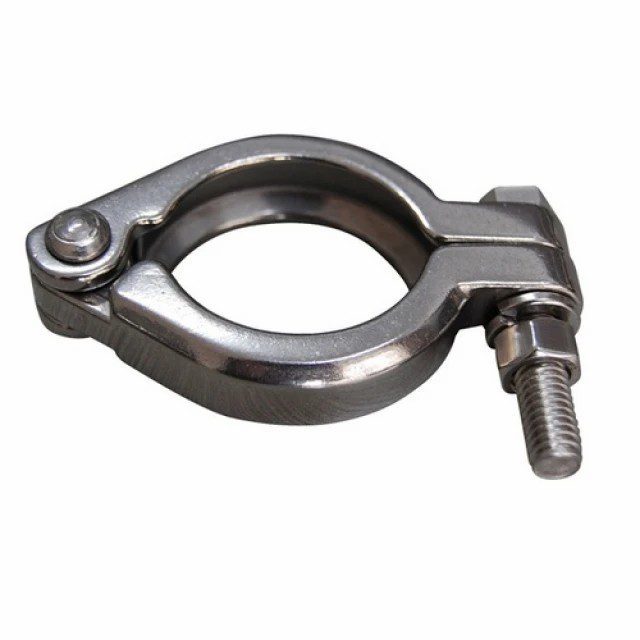
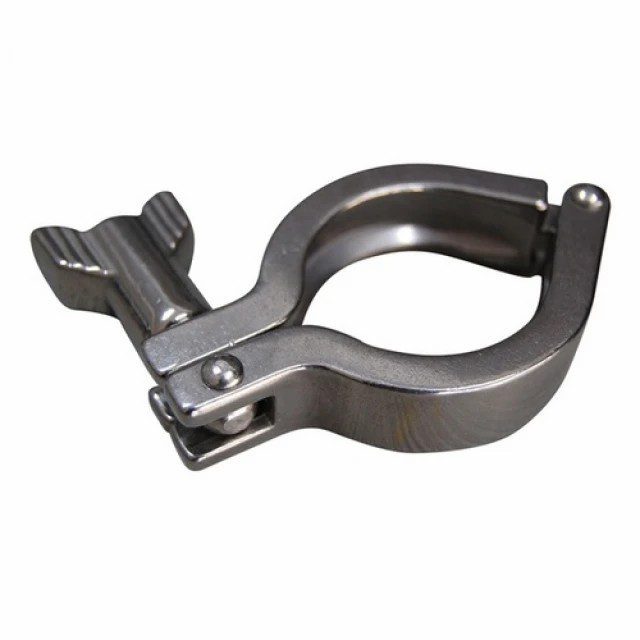
Clamp or sanitary connection
Other specialized connections
The connection should be compatible with the pipe and other components while meeting the requirements for installation, maintenance, and sealing.
Surface finish is especially important for sanitary and hygienic applications. A smooth internal surface can help reduce product buildup and make cleaning easier.
For general industrial applications, surface requirements may be different, so the finish should be specified according to the intended service.
Industrial pipe fittings may need to comply with specific standards depending on the application and market.
Before purchasing, confirm the required dimensional, material, manufacturing, and testing standards. This helps ensure compatibility with the rest of the piping system.
The main difference between a 90-degree elbow and a 45-degree elbow is the angle through which the pipeline changes direction.
A 90 Elbow Pipe is used when a complete right-angle turn is required. It is useful when piping needs to change direction significantly or when space and equipment layout require a perpendicular connection.
A 45-degree elbow creates a more gradual directional change. It may be preferred where smoother flow transitions are desired or where the piping layout allows a less aggressive change in direction.
The choice should depend on the piping layout, available space, fluid characteristics, flow requirements, and system design.
Changing the direction of fluid creates additional resistance compared with a straight pipe. The amount of pressure loss depends on several factors, including elbow geometry, bend radius, pipe diameter, flow velocity, fluid properties, and the number of fittings in the system.
Long-radius elbows generally provide a smoother flow transition than short-radius elbows. However, the best choice depends on the complete piping design rather than the elbow alone.
For systems where pressure loss is critical, engineers should consider the contribution of all fittings and calculate the expected system pressure drop.
Proper installation is important for achieving reliable performance.
Before installation, inspect the elbow and pipe for damage, contamination, or dimensional problems. Confirm that the fitting matches the pipe size and connection method.
During installation, ensure that the piping is properly aligned and supported. For welded elbows, appropriate welding procedures should be followed to ensure joint integrity. For threaded connections, the correct thread standard and sealing method should be used.
After installation, the piping system should be inspected and tested according to the applicable project requirements.
One common mistake is selecting an elbow based only on pipe diameter. Size is important, but material, pressure rating, wall thickness, bend radius, and connection method can be equally important.
Another mistake is choosing the wrong material for the operating environment. A fitting that performs well in a general water system may not be suitable for corrosive chemicals or high-temperature service.
Buyers should also avoid ignoring installation space. A long-radius elbow may provide better flow characteristics but require more space than a short-radius design.
Finally, using fittings without confirming the applicable standards can create compatibility and compliance problems later in the project.
A reliable supplier should provide clear product specifications, accurate dimensions, consistent material quality, and appropriate quality documentation.
When evaluating a supplier, consider its manufacturing capabilities, raw material control, production experience, inspection procedures, surface finishing, testing capabilities, and ability to provide customized products.
For large industrial projects, production capacity and delivery reliability are also important. A supplier should be able to maintain consistent quality across large quantities rather than only producing good individual samples.
A 90 Elbow Pipe is a simple but essential component of many industrial piping systems. By providing a 90-degree directional change, it allows pipelines to be routed efficiently around equipment and structures while maintaining a practical system layout.
However, different 90-degree elbows have different performance characteristics. Buyers should carefully consider the type, material, pipe size, bend radius, wall thickness, pressure rating, temperature, connection method, surface finish, and applicable standards before making a selection.
For general industrial applications, carbon steel and stainless steel elbows are common choices, while specialized materials may be required for corrosive, high-temperature, high-pressure, or hygienic environments.
Selecting the right 90 Elbow Pipe and working with a reliable manufacturer or supplier can help improve installation efficiency, system reliability, service life, and overall piping performance.
What is a 90 Elbow Pipe?
A 90 Elbow Pipe is a pipe fitting designed to change the direction of a pipeline by 90 degrees. It is commonly used to create right-angle connections in industrial and commercial piping systems.
What is the difference between a long-radius and short-radius 90 elbow?
A long-radius elbow has a larger bend radius and generally provides a smoother flow path, while a short-radius elbow has a tighter bend and requires less installation space.
Which materials are commonly used for 90 Elbow Pipes?
Common materials include stainless steel, carbon steel, alloy steel, and various plastics. The correct material depends on the fluid, temperature, pressure, and corrosion environment.
What is a butt weld 90 elbow?
A butt weld 90 elbow is designed to be welded directly to the pipe. It provides a permanent connection and is widely used in industrial piping systems.
How do I choose the right 90 Elbow Pipe?
Consider the pipe size, material, bend radius, wall thickness, pressure and temperature requirements, connection method, surface finish, and applicable standards.
Does a 90 Elbow Pipe cause pressure loss?
Yes. A change in flow direction creates additional resistance. The actual pressure loss depends on the elbow geometry, flow velocity, pipe size, fluid properties, and overall piping system design.



STAINLESS STEEL&GENCEL;
Privacy Policy | SiteMap
Copyright GENCEL STAINLESS STEEL CO.,LIMITED
 Optimized by Seraphinite Accelerator