- Whatsapp: 8613738300923
- Email: [email protected]


An SS pipe elbow is an important fitting used to change the direction of fluid flow in a piping system. Stainless steel pipe elbows are widely used in chemical processing, food and beverage production, pharmaceutical facilities, water treatment, oil and gas, power generation, construction, and general industrial piping. By allowing pipes to change direction without complicated pipe arrangements, elbows help create more compact and efficient piping systems.
However, not every stainless steel pipe elbow is suitable for every application. Factors such as stainless steel grade, elbow angle, pipe size, wall thickness, connection method, pressure rating, surface finish, and operating environment can affect the performance and service life of the fitting. Choosing the correct SS pipe elbow therefore requires more than simply matching the pipe diameter. This guide explains the key factors to consider when selecting a stainless steel pipe elbow for your piping system.
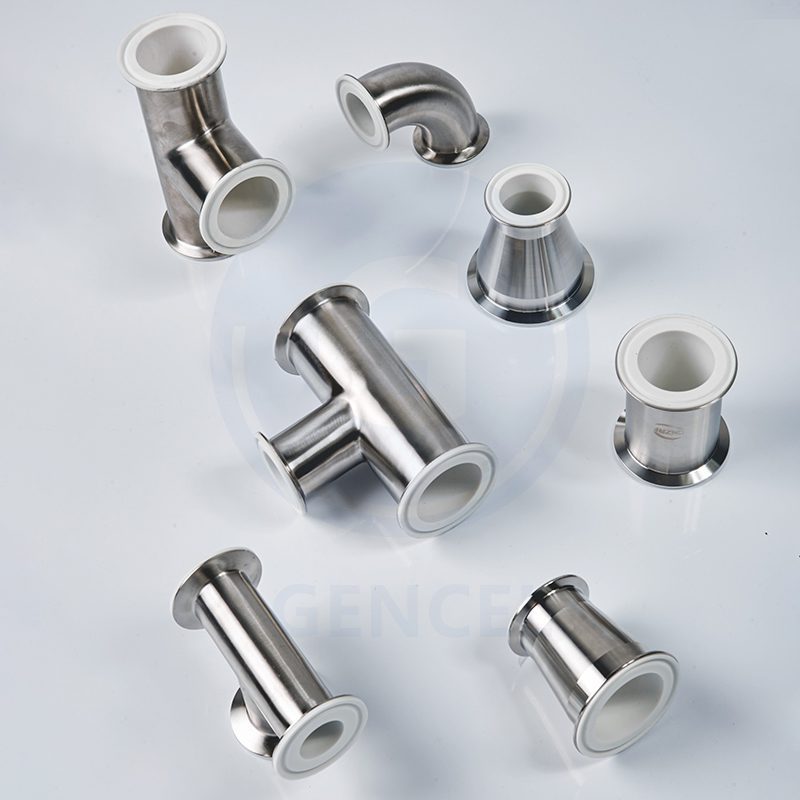
Before selecting an SS pipe elbow, you should first understand the operating conditions of the piping system. The type of fluid, operating temperature, working pressure, flow rate, corrosion exposure, and installation environment all influence which elbow is appropriate.
For example, a stainless steel elbow used for clean water may have different requirements from one installed in a chemical processing system. Food and pharmaceutical applications may require a smooth internal surface and sanitary construction, while high-pressure industrial piping may require a particular manufacturing process and pressure rating.
Defining these requirements in advance allows you to select an elbow that can withstand the actual operating conditions rather than choosing solely according to size or price.
Material grade is one of the most important factors when purchasing an SS pipe elbow. The stainless steel grade determines the fitting’s corrosion resistance, mechanical properties, temperature performance, and suitability for different environments.
304 stainless steel is one of the most widely used materials for stainless steel pipe elbows. It provides good corrosion resistance, strength, and formability and is suitable for many general industrial, food processing, water, and architectural applications.
316 stainless steel contains molybdenum, which provides improved resistance to chlorides and certain corrosive environments. It is commonly selected for marine applications, chemical processing, pharmaceutical equipment, and other environments where greater corrosion resistance is required.
Other grades, including 321, 310, and duplex stainless steels, may be appropriate for specialized applications involving high temperatures, aggressive chemicals, or demanding mechanical conditions. The correct grade should be selected based on the actual operating environment and applicable specifications.
SS pipe elbows are available in different angles, with 90-degree and 45-degree elbows being among the most common.
A 90-degree SS pipe elbow changes the direction of the pipeline by 90 degrees and is frequently used where a piping route needs to make a right-angle turn. It is common in industrial piping systems, equipment connections, and building services.
A 45-degree SS pipe elbow changes the flow direction more gradually. It can be useful when the piping design requires a smaller directional change or when reducing flow disturbance is important.
Other angles can also be manufactured for specialized piping layouts. The appropriate angle should be determined by the piping design, available installation space, flow requirements, and connection points.
Radius is another important consideration when selecting an SS pipe elbow. Long-radius and short-radius elbows have different centerline radii and can influence the flow characteristics and space requirements of the piping system.
A long-radius elbow has a larger bend radius, allowing the fluid to change direction more gradually. This design can help reduce pressure loss and turbulence and is widely used in many industrial piping applications.
A short-radius elbow has a smaller bend radius and requires less installation space. It may be useful where space is limited, although the tighter bend can result in different flow characteristics compared with a long-radius design.
The choice should be based on the piping layout, available space, flow requirements, pressure conditions, and applicable engineering standards.
The SS pipe elbow must match the pipe dimensions used in the system. Important dimensions include nominal pipe size, outside diameter, inside diameter, wall thickness, and end-to-end dimensions.
Incorrect sizing can cause installation difficulties, leakage, flow restrictions, or mechanical problems. The elbow should be compatible with the connected pipe and other fittings, valves, and equipment.
Wall thickness is also important, particularly in high-pressure or high-temperature applications. The required thickness depends on the design pressure, temperature, material grade, applicable piping code, and other engineering factors.
Before ordering, carefully compare the elbow dimensions with the piping drawings and specifications rather than relying only on the nominal pipe size.
The connection method should also be considered when selecting an SS pipe elbow. Common options include butt weld, socket weld, threaded, and other connection designs depending on the application.
Butt-weld SS pipe elbows are commonly used in permanent industrial piping systems. The elbow is welded directly to the pipe, creating a strong and continuous connection. This type is widely used in process piping and applications where leak resistance and system integrity are important.
Threaded stainless steel elbows can be convenient for certain low- or moderate-pressure systems where welding is not preferred. They are often used in smaller piping systems and equipment connections.
The connection method should be compatible with the existing piping system and selected according to pressure, temperature, maintenance requirements, installation method, and applicable standards.
Depending on the application and manufacturing requirements, stainless steel elbows may be produced using different manufacturing processes. Seamless elbows are generally preferred for applications where the absence of a welded seam is important, particularly in demanding pressure or temperature environments.
Welded elbows can also provide reliable performance when manufactured with appropriate materials, welding processes, and quality controls. They are commonly used in a wide range of industrial piping applications.
Rather than assuming that seamless products are always the best choice, buyers should consider the applicable standard, operating conditions, pressure requirements, material specifications, and project requirements when selecting the manufacturing method.
Surface finish can be an important factor, especially for SS pipe elbows used in sanitary and hygienic applications. A smooth surface can help reduce areas where contaminants or residues may accumulate and can make cleaning easier.
Food processing, dairy, beverage, pharmaceutical, and biotechnology facilities may require stainless steel elbows with controlled internal and external surface finishes. Polishing or other surface treatment may be specified depending on the application.
For general industrial applications, the surface finish requirements may be less demanding. However, the surface should still be free from excessive scratches, corrosion, cracks, weld defects, and other imperfections that could affect performance or appearance.
A high-quality SS pipe elbow should meet the applicable product and dimensional standards required for the project. Depending on the application and market, buyers may encounter standards such as ASTM, ASME, EN, DIN, or JIS.
Standards can define important characteristics such as dimensions, material composition, mechanical properties, manufacturing requirements, and testing procedures. Choosing elbows that comply with the correct standards helps ensure compatibility with the rest of the piping system.
Buyers should also ask suppliers about material certificates, inspection reports, and other quality documentation when required. For critical industrial applications, traceability and documented quality control can be particularly important.
Pressure and temperature are critical when selecting an SS pipe elbow for industrial service. The fitting must be capable of operating safely under the system’s design conditions.
Higher pressure applications may require specific wall thicknesses, manufacturing processes, material grades, and connection methods. Similarly, elevated temperatures can affect the mechanical properties and pressure capabilities of stainless steel.
The elbow should therefore be selected according to the complete piping design rather than using a general pressure assumption. Always check the applicable engineering standard and supplier specifications to ensure that the selected fitting is suitable for the intended service conditions.
The supplier you choose can have a significant effect on the consistency and reliability of the elbows you receive. A professional stainless steel pipe fitting supplier should have suitable manufacturing equipment, quality control procedures, material traceability, and experience with the required product standards.
When comparing suppliers, consider their ability to provide the required stainless steel grades, sizes, angles, connection types, and surface finishes. It is also useful to evaluate their production capacity, inspection capabilities, customization services, lead times, and technical support.
For large or long-term projects, requesting samples or reviewing product documentation before placing a bulk order can help verify whether the supplier can consistently meet your requirements.
One common mistake is selecting an SS pipe elbow based only on nominal size. Although size is important, material grade, angle, radius, connection method, pressure rating, and manufacturing standard also need to match the application.
Another mistake is choosing 304 or 316 stainless steel without considering the actual environment. While both are widely used grades, they do not provide identical corrosion resistance in every operating condition. Selecting a higher-grade material when necessary can help improve service life, while choosing the appropriate grade for the actual environment can also help control costs.
Buyers should also avoid ignoring dimensional tolerances and surface requirements. Even when the basic dimensions appear correct, poor tolerances or inadequate surface quality can create problems during installation or operation.
Choosing the right SS pipe elbow requires careful consideration of the entire piping system. Stainless steel grade, elbow angle, radius, pipe dimensions, wall thickness, connection method, manufacturing process, surface finish, pressure rating, temperature, and applicable standards all play a role in determining whether an elbow is suitable for a particular application.
For general industrial applications, 304 stainless steel may provide a practical balance of corrosion resistance, performance, and cost. Where exposure to chlorides or more aggressive environments is expected, 316 stainless steel may be a better option. Similarly, 90-degree and 45-degree elbows serve different piping layout requirements, while long-radius and short-radius designs offer different space and flow characteristics.
By clearly defining your technical requirements and working with a reliable SS pipe elbow supplier, you can select fittings that provide dependable connections, efficient flow direction changes, and long-term performance in your piping system.
What is an SS pipe elbow?
An SS pipe elbow is a stainless steel pipe fitting used to change the direction of fluid flow in a piping system. Common types include 45-degree and 90-degree elbows, which are widely used in industrial piping, chemical processing, food and beverage, pharmaceutical, water treatment, and other applications.
What are the most common stainless steel grades for pipe elbows?
304 and 316 stainless steel are two of the most commonly used grades for SS pipe elbows. 304 offers good corrosion resistance and is suitable for many general industrial applications, while 316 provides better resistance to chlorides and more aggressive environments. Other grades may be selected for specialized high-temperature or highly corrosive applications.
What is the difference between a 45-degree and 90-degree SS pipe elbow?
A 45-degree SS pipe elbow changes the direction of the pipeline by 45 degrees and provides a more gradual directional change. A 90-degree elbow creates a right-angle turn and is commonly used where piping needs to change direction more sharply. The appropriate angle depends on the piping layout and flow requirements.
What is the difference between long-radius and short-radius SS pipe elbows?
Long-radius elbows have a larger bend radius and generally provide a more gradual change in flow direction, which can help reduce turbulence and pressure loss. Short-radius elbows have a tighter bend and require less installation space. The choice depends on available space, flow conditions, and system requirements.
Are seamless SS pipe elbows better than welded elbows?
Neither type is automatically better for every application. Seamless elbows may be preferred for demanding pressure and temperature conditions, while properly manufactured welded elbows can provide reliable performance in many industrial systems. The appropriate choice should be based on the application, applicable standards, and engineering requirements.
How do I choose the correct size of an SS pipe elbow?
The elbow size should match the connected pipe and the requirements of the piping system. Consider the nominal pipe size, outside diameter, wall thickness, connection dimensions, and applicable tolerances. Checking the piping drawings and technical specifications before ordering can help prevent compatibility and installation problems.



STAINLESS STEEL&GENCEL;
Privacy Policy | SiteMap
Copyright GENCEL STAINLESS STEEL CO.,LIMITED
 Optimized by Seraphinite Accelerator
