- Whatsapp: 8613738300923
- Email: [email protected]


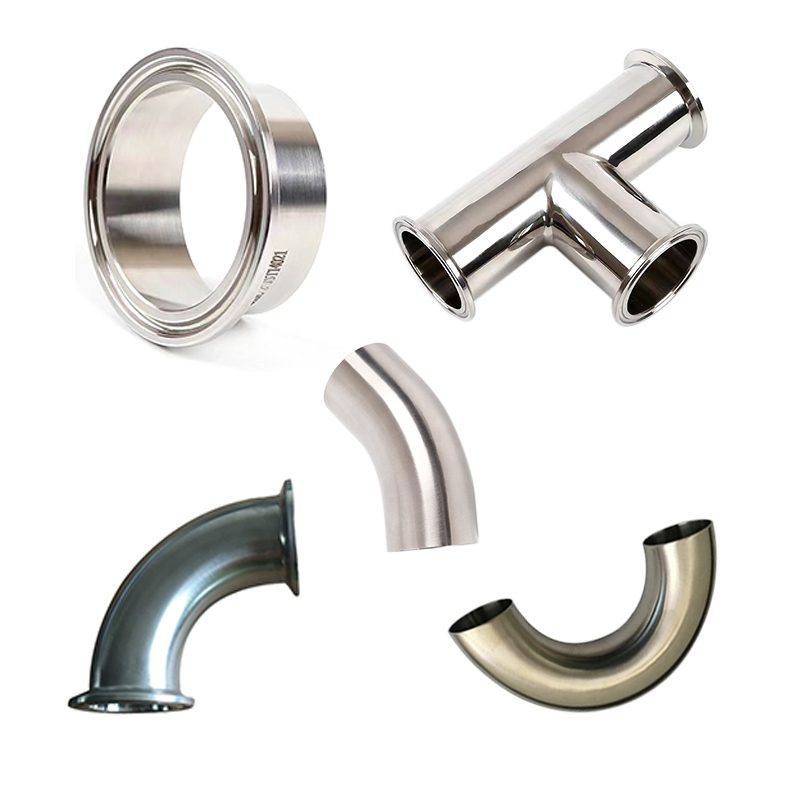
When it comes to sanitary pipe fittings, the importance of proper connection methods cannot be overstated. Among the most popular choices are clamps and clamp unions, which are used in a variety of applications for quick, reliable connections that also allow easy maintenance and cleaning. This article will explore the various types of clamps, their uses, and why they’re so crucial in sanitary pipelines.
Clamps are an essential part of sanitary pipe fittings. They serve as fasteners that hold pipes and tubes together, ensuring a secure and leak-free connection. The versatility of clamps makes them popular in many industries, particularly in food and beverage, pharmaceutical, and chemical processing sectors where hygiene and cleanliness are top priorities. Below is a quick overview of some commonly used clamp types:
| Clamp Type | Description | Application | Material | Pressure Rating |
|---|---|---|---|---|
| Bolted Clamp | Offers a secure connection using bolts for high-pressure systems. | Food & beverage, chemical industries. | Stainless Steel | High pressure |
| Clamp Union | Allows for quick connection and disconnection for ease of cleaning. | Pharmaceutical, food processing. | Stainless Steel | Medium pressure |
| Double Pin Clamp | Secures pipes with two pins for extra stability. | Large industrial systems, high-pressure. | Carbon Steel | High pressure |
| Heavy Duty Clamp | A robust clamp for tougher applications. | Heavy industrial applications. | Stainless Steel | Very high pressure |
| Single Pin Clamp | A simpler version of the pin clamp, ideal for lighter tasks. | Smaller systems or non-pressurized pipes. | Stainless Steel | Low to medium pressure |
| Three-Piece Clamp | Offers greater flexibility and strength for high-pressure systems. | Food, chemical, and pharmaceutical sectors. | Stainless Steel | High pressure |
Sanitary pipe fittings often require specific types of connection mechanisms to ensure cleanliness, ease of maintenance, and reliability under varying pressure conditions. The use of clamps offers several benefits:

A bolted clamp is one of the most secure options for pipe connections in high-pressure systems. The bolts provide additional tension, creating a solid and leak-proof connection. These are commonly used in industries such as food and beverage processing, where hygiene is a critical concern.

The clamp union is favored for its quick-connect and disconnect feature, which significantly reduces cleaning and maintenance times. It’s particularly useful in systems that require frequent disassembly, such as those in pharmaceutical production or food manufacturing plants.
As the name suggests, a double pin clamp uses two pins for securing the pipes. This provides extra stability, making it ideal for larger or high-pressure systems. It’s commonly used in chemical industries where reliability under pressure is a must.
A heavy-duty clamp is designed for the toughest environments, handling extreme pressures and temperatures. This type of clamp is often used in industrial systems, including large-scale manufacturing and chemical plants, where resilience and durability are critical.
For smaller, non-pressurized systems, a single pin clamp provides a more economical and simpler solution. It may not withstand extreme pressures, but it offers a reliable connection in low-stress systems, such as small-scale processing plants.
A three-piece clamp offers greater flexibility in design and higher stability under pressure. It’s commonly found in the food, chemical, and pharmaceutical industries, where both safety and ease of cleaning are top priorities.
Q1: What is the primary purpose of a sanitary clamp?
A1: The primary purpose of a sanitary clamp is to securely connect pipes in sanitary systems, offering a leak-free and easy-to-maintain connection.
Q2: Can I use clamps in high-pressure systems?
A2: Yes, certain clamps, such as heavy-duty clamps, are specifically designed to withstand high-pressure systems, making them ideal for industrial applications.
Q3: How do I clean and maintain sanitary clamps?
A3: Sanitary clamps are easy to clean due to their quick-connect design, allowing you to disassemble them for thorough cleaning to prevent contamination.
Q4: Are there different types of clamps for different applications?
A4: Yes, clamps come in various types such as bolted clamps, single pin clamps, and heavy-duty clamps, each suitable for different pressure ratings and environments.
Q5: What materials are commonly used for sanitary clamps?
A5: Stainless steel is the most common material used for sanitary clamps due to its resistance to corrosion and its ability to withstand high-pressure systems.
Q6: What is the advantage of using a clamp union?
A6: A clamp union allows for quick connection and disconnection, making it an excellent choice for systems that require frequent maintenance and cleaning.
Q7: Can I use sanitary clamps in the food industry?
A7: Yes, sanitary clamps are widely used in the food industry due to their hygienic properties and ease of cleaning, ensuring compliance with safety standards.
Q8: Are heavy-duty clamps required for all industrial systems?
A8: No, heavy-duty clamps are typically used for high-pressure or demanding industrial systems. For smaller or less intense applications, simpler clamps like single pin clamps might suffice.
Q9: Do clamps come with different pressure ratings?
A9: Yes, clamps are available in various pressure ratings to suit different applications, ranging from low pressure to high pressure systems.
Q10: How can I choose the right clamp for my system?
A10: The choice of clamp depends on factors such as pressure rating, pipe size, material, and ease of disassembly for cleaning. It’s best to consult with a supplier to find the right type for your specific needs.
Sanitary pipe fittings, particularly clamps and clamp unions, are indispensable for maintaining clean, reliable, and durable connections in a wide range of industries. Understanding the different types of clamps, their applications, and their advantages can help ensure your systems run efficiently and hygienically.
If you’re looking for high-quality sanitary pipe fittings and reliable clamps, get in touch with GENCEL STAINLESS STEEL today! Contact us for more information or to request a quote. Let us help you find the perfect solution for your needs.

STAINLESS STEEL&GENCEL;
Privacy Policy | SiteMap
Copyright GENCEL STAINLESS STEEL CO.,LIMITED
 Optimized by Seraphinite Accelerator