- Whatsapp: 8613738300923
- Email: [email protected]


Pipe fittings factory explains the functions of pipe fittings, different connection methods, common materials, and application scenarios.
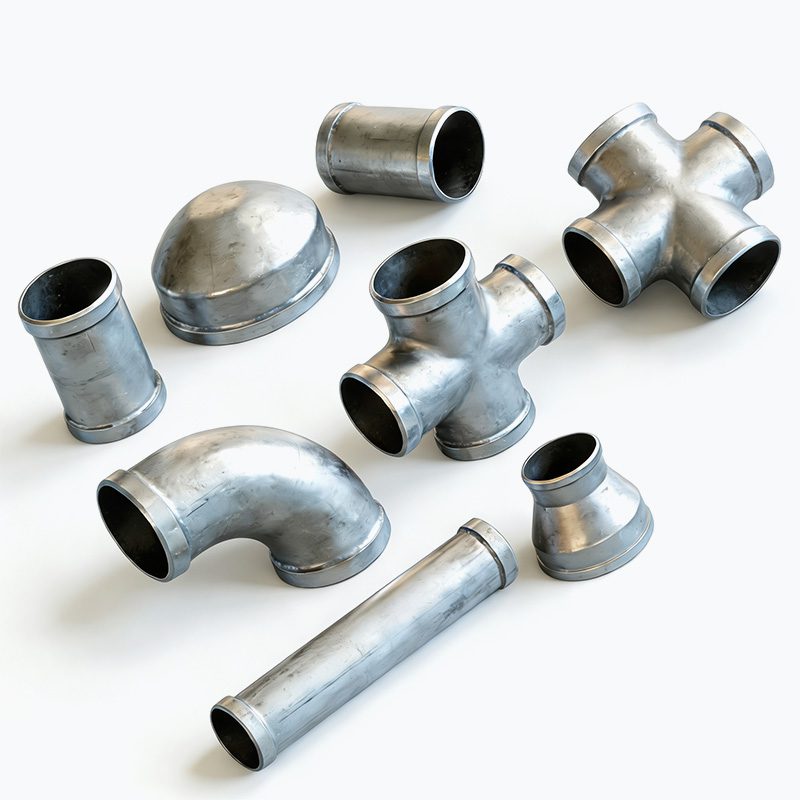
This type of pipe fitting is used to connect pipes in a straight line and is the most basic component.
Joint/Direct Head: Used to connect two straight pipes of the same diameter.
Coupling: Similar to a connector, but typically designed for quick connection or maintenance. The sliding coupler has no stopping flange inside and can slide on the installed pipeline for repairing damaged sections of the pipeline.
Threaded joint: One end is an internal thread, and the other end is an external thread, commonly used to connect pipe ends or equipment interfaces of different genders.
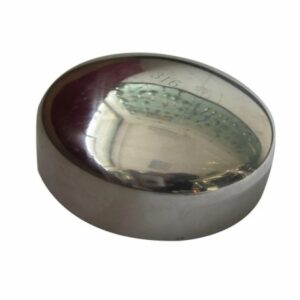
Pipe cap: used to permanently or temporarily seal the end of a pipeline.
Pipe plug: usually screwed into the end of a pipe fitting to close the opening.
Used to guide pipelines to change direction, common angles include 90 degrees, 45 degrees, and 22.5 degrees.
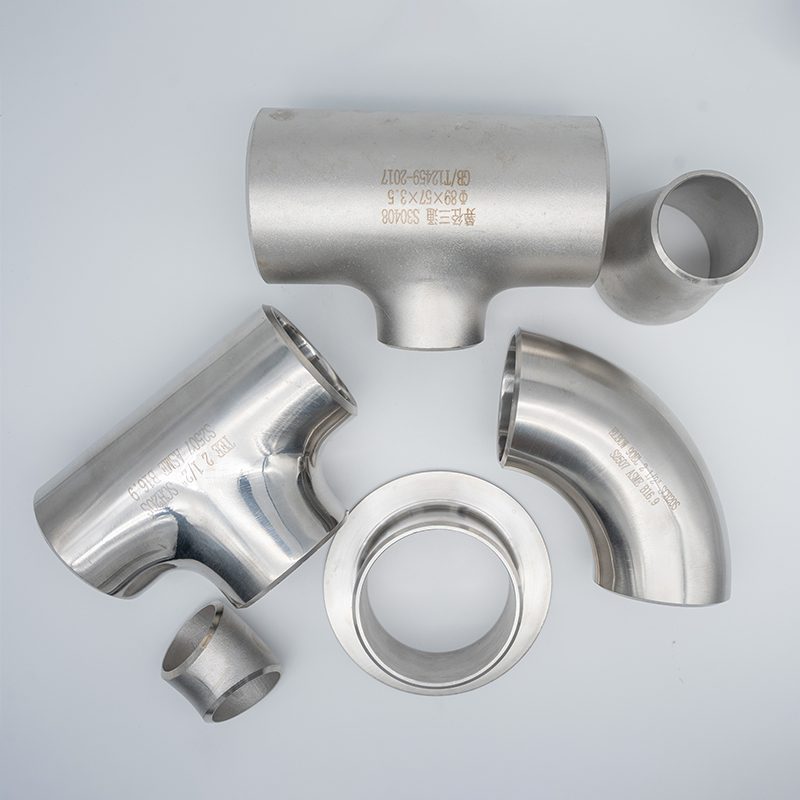
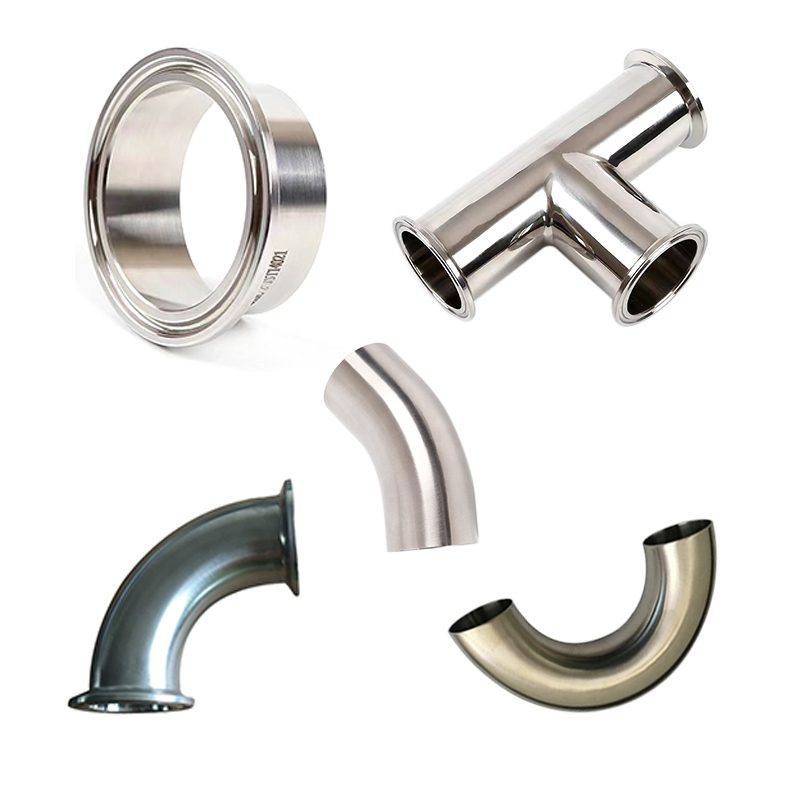
Bend: The most commonly used turning pipe fitting. 90 ° elbow for right-angle turning; The 45 ° elbow achieves smoother turning and reduces water flow resistance.
Return bend: forms a 180 ° turn to completely redirect the direction of the pipeline, commonly used for connecting the bottom of radiators.
Manage the distribution and collection of fluids.
Three-way: T-shaped, with one inlet and two outlets (or vice versa), used for diversion. All ports of the equal diameter tee have the same diameter; The diameter of the reducing three-way branch port is smaller than that of the main pipe.
Four-way: It is shaped like a “cross” and connects four pipes. It is less commonly used in home plumbing and is more common in fire or irrigation systems.
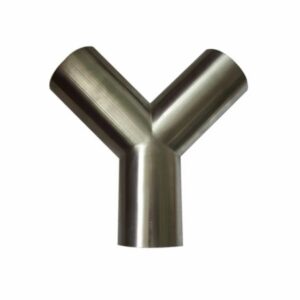
Y-shaped splitter: Diverting at a smoother angle can effectively reduce turbulence and pressure loss.
Connect pipes of different sizes or materials.
Reducing pipe: commonly known as “big and small head”, used to connect two pipes of different diameters. Divided into concentric reducers (aligned with the centerline) and eccentric reducers (with one side flush, commonly used in horizontal pipelines to keep the top or bottom of the pipe horizontal).
Lining: A small variable diameter pipe fitting, typically with an external thread diameter greater than the internal thread diameter, used to convert large female ports into small male ports.
Adapter/Transition Joint: Used to connect pipes of different materials (such as CPVC to copper) or different connection methods (such as threaded to welded).
Provide control and maintenance access for the system.
Valve: Although often classified separately, it is essentially a key pipe fitting for controlling flow. Including ball valves, gate valves, angle valves, check valves, etc.
Flexible joint: Designed with detachable nuts, it allows for easy disassembly and assembly of a certain section of pipeline or equipment without twisting the pipeline, making it a maintenance tool.
Pipe clamp: commonly used to repair cracks or small holes on pipelines, it is an emergency repair fitting.
The function of the pipe fittings needs to be achieved through specific connection methods, and the choice depends on the material and purpose.
Threaded connection: The pipe fittings have standard threads (NPT) inside and outside, sealed with raw tape or sealant. Commonly used for galvanised steel pipes, PVC, Malleable cast iron fittings.
Welding/brazing connection: mainly used for copper pipe systems. Use a welding torch and solder (tin or silver) to achieve a permanent and sturdy connection.
Socket adhesive connection: mainly used for PVC, CPVC, ABS and other plastic pipes. Use a specialised solvent adhesive to fuse the pipe and fittings together.
Crimp connection: mainly used for PEX pipes. Use specialised copper or stainless steel pressure rings and crimping tools to create reliable seals. Push fit is a variant of crimping that does not require tools and can be inserted.
Flange connection: Weld or thread the flange to the pipe end, then tighten the two flanges with bolts, and seal the middle with a gasket. Commonly used for large pipelines, main valves, water pumps, or parts that require frequent disassembly.
PVC/CPVC: Lightweight, corrosion-resistant, easy to install, widely used in household hot and cold water (CPVC) and drainage systems (PVC). Use the socket adhesive more often.
Copper: Durable, antibacterial, and resistant to high temperatures and pressures, it is a representative of traditional high-quality water supply systems. The connection needs to be welded.
PEX: Extremely flexible, crack-resistant, using pressure or push connections, has become the mainstream of modern household water supply systems.
Brass: High strength, corrosion-resistant, commonly used in valves, pressure fittings, and transition joints between different materials.
Galvanised steel: High strength, but prone to rusting and scaling. It is less commonly used in modern new residential buildings and is more common in old ones. Threaded connection.
Cast iron: used for underground main drainage pipes, thick and durable, commonly used for rubber sealing ring socket connection or flange connection.
A professional pipe fitting maker offers clear information: main uses of pipe fittings (joining, turning, splitting, or changing pipe size), easy explanations of when to use different types like threaded, welded, or crimped, and a simple look at how different materials (PVC, copper, PEX, cast iron) work and where to use them.
GENCEL STAINLESS offer a full range of solutions, matching the most reliable connection components to ensure project safety, efficiency, and long-term value for your engineering needs.

STAINLESS STEEL&GENCEL;
Privacy Policy | SiteMap
Copyright GENCEL STAINLESS STEEL CO.,LIMITED
 Optimized by Seraphinite Accelerator